
Carl Auer von Welsbach
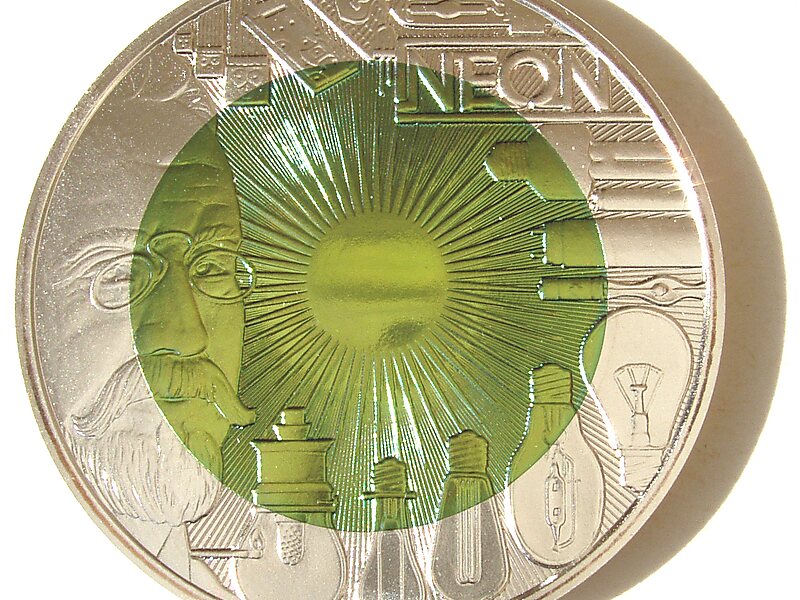
Carl Auer von Welsbach, who received the Austrian noble title of Freiherr Auer von Welsbach in 1901, was an Austrian scientist and inventor… 了解更多…


Carl Auer von Welsbach – 添加到你的旅行
创建详细的旅行行程,包含智能路线、时间预估,以及你打造完美旅行所需的一切。


Carl Auer von Welsbach, who received the Austrian noble title of Freiherr Auer von Welsbach in 1901, was an Austrian scientist and inventor, who separated didymium into the elements neodymium and praseodymium in 1885. He was also one of three scientists to independently discover the element lutetium, separating it from ytterbium in 1907, setting off the longest priority dispute in the history of chemistry.
He had a talent not only for making scientific advances, but also for turning them into commercially successful products. His work on rare-earth elements led to the development of the ferrocerium "flints" used in modern lighters, the gas mantle that brought light to the streets of Europe in the late 19th century, and the metal-filament light bulb. He took the phrase plus lucis, meaning "more light", as his motto.
Source: Wikipedia
更多信息与联系方式
Carl Auer von Welsbach – 添加到你的旅行
创建详细的旅行行程,包含智能路线、时间预估,以及你打造完美旅行所需的一切。

