
Was gibt es in Campeche zu sehen?
-
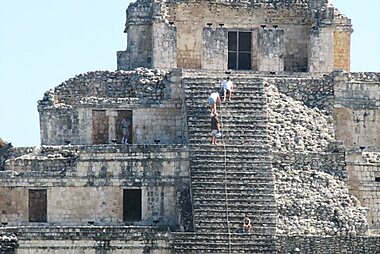
Edzná
Edzná, selten Etzná, ist eine archäologische Stätte der Maya im Edzná-Tal im Bundesstaat Campeche im Westen der Halbinsel Yucatán, Mexiko.
-
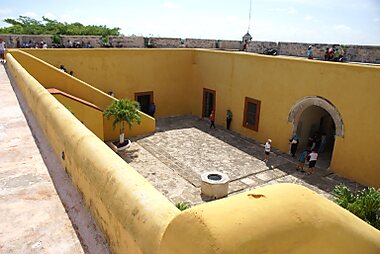
Fort of San José
San José Castle -also known as Castillo de San José in Spanish- was opened to the public on 25 May 1846 on the «Buena Vista Hill» on the…
-
Bastion of San Carlos
Dating back to the 17th century, this fort in pentagonal shape is the seat of the city museum, exhibiting various historic artifacts.
-
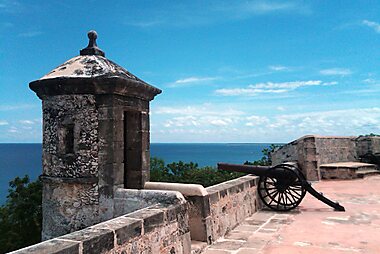
Fort of San Miguel
This historic fortification protected Campeche from the British in the 18th century. Now, there is an archaeological museum here.
-
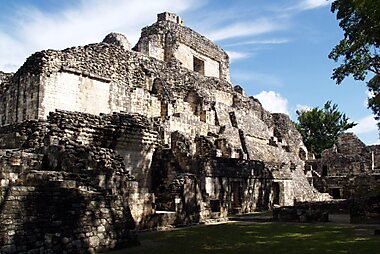
Becán
Becán ist eine archäologische Stätte und vormaliges Zentrum der Maya der präklassischen Periode.
-
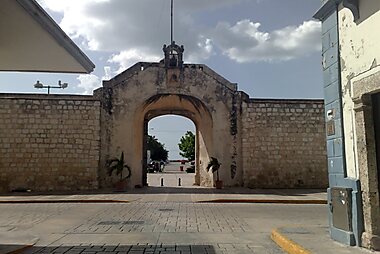
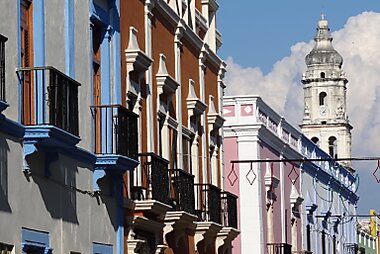
Historic Center of Campeche
The fortified city of Campeche is a part of the UNESCO heritage. Its center is beautiful and compact enough to be explored on foot.
-
Chicanná
Chicanná ist eine im mexikanischen Bundesstaat Campeche gelegene Ruinenstätte der Maya.
-
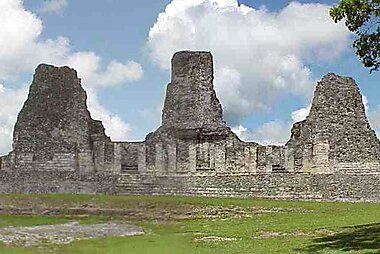
Xpuhil
Xpuhil ist der Name einer präkolumbischen Maya-Ruinenstätte im mexikanischen Bundesstaat Campeche.
-
Museum of Calakmul
Presenting both archaeological and nature collections, this museum is a very interesting and inspiring place to visit.
-
Calakmul Biosphere Preserve
The Calakmul Biosphere Reserve is located at the base of the Yucatán Peninsula in Mexico, in Calakmul Municipality in the state of Campeche…
-
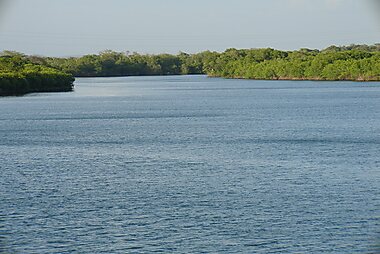
Laguna de Términos
Die Laguna de Términos ist der größte Lagunensee an der Südküste des Golfs von Mexiko im Bundesstaat Campeche.
-
Hochob
Hochob ist eine kleine Ruinenstätte der Maya in Mexiko. Sie befindet sich auf der Halbinsel Yucatán im Bundesstaat Campeche, 38 Kilometer…
-
-
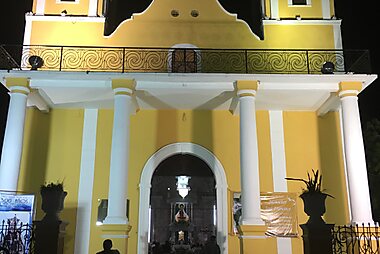
Cathedral
The cathedral is a proudly standing memorial to the colonial times. Architecturally interesting structure.
-
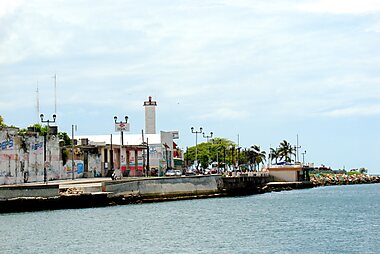
Champotón Lighthouse
This small white lighthouse marks the place where the Champotón river empties into the sea. There is also a port and a bastion here.


Plane Deine Reiseroute Tag Für Tag
Erstelle eine detaillierte Reiseroute mit intelligenter Routenführung, Zeitabschätzungen und allem, was du für eine perfekte Reise brauchst.





Touren & Aktivitäten
Plane Deine Reiseroute Tag Für Tag
Erstelle eine detaillierte Reiseroute mit intelligenter Routenführung, Zeitabschätzungen und allem, was du für eine perfekte Reise brauchst.