
Was gibt es in Santiago de Querétaro zu sehen?
-
Santiago de Querétaro
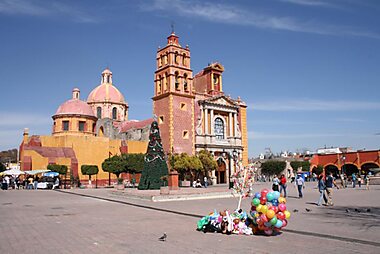
Santiago de Querétaro ist eine Stadt in Zentralmexiko mit ca. 860.000 Einwohnern und Hauptstadt des Bundesstaats Querétaro.
-
Franziskanermissionen in der Sierra Gorda
Die Franziskanermissionen in der Sierra Gorda sind eine Gruppe von fünf ehemaligen Missionsklöstern der Franziskaner in der ca. 150 km…
- C/ PD
Sierra Gorda
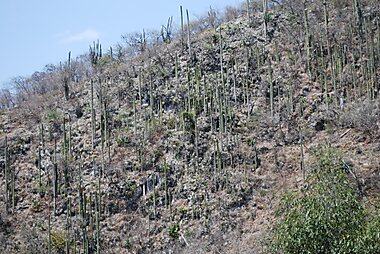
Die Sierra Gorda ist ein bis zu 3100 m hohes Kalksteingebirge im Norden des mexikanischen Bundesstaats Querétaro.
-
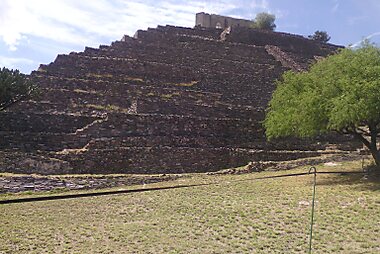
El Cerrito
El Cerrito ist eine präspanische Stätte im Municipio Corregidora nahe der mexikanischen Stadt Santiago de Querétaro.
-
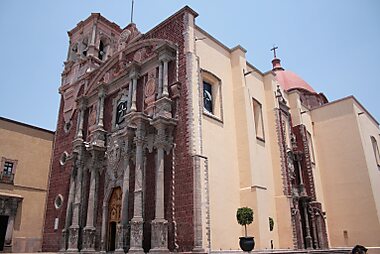
Cathedral of Queretaro
The St. Philip Neri Cathedral, also Querétaro Cathedral, is a Catholic church that was built by the Oratory of Saint Philip Neri.
-
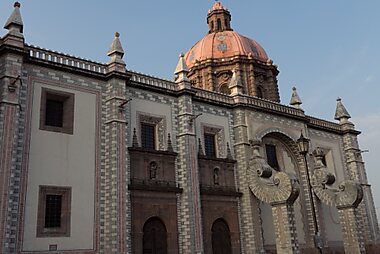
Santa Rosa de Viterbo Church
Admire the beauty of the Baroque temple. See its unique portal as well as remarkable interior decorated with silver and ivory ornaments.
-
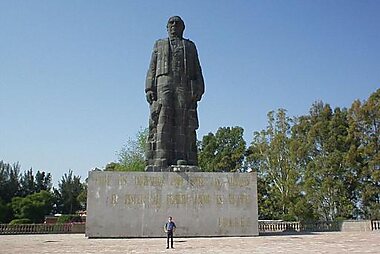
Hill of the Bells
The Cerro de las Campanas is a hill and national park located in Querétaro City, Mexico.
-
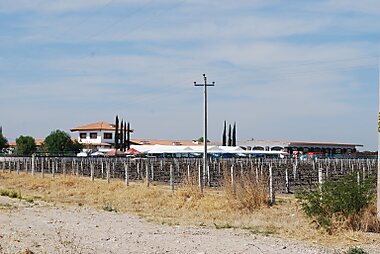
Cavas Freixenet
Learn about the wine-making production in a region famous for its sparkling wines and champagnes. Don't forget to taste them, too.
- I/ PD
Tequisquiapan
Tequisquiapan ist eine Stadt mit etwa 30.000 Einwohnern und Verwaltungssitz der gleichnamigen Gemeinde mit insgesamt etwa 70.000 Einwohnern…
-
Bernal
Bernal ist ein etwa 4.000 Einwohner zählender Ort im mexikanischen Bundesstaat Querétaro.
-
Cadereyta de Montes
Cadereyta de Montes ist eine ca. 15.000 Einwohner zählende Kleinstadt und Hauptort einer gleichnamigen Gemeinde mit insgesamt ca. 70.000…
-
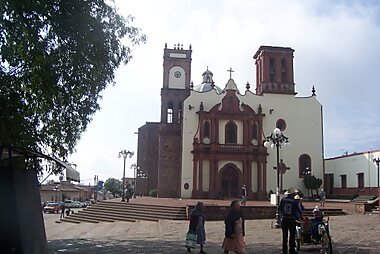
San Juan del Río
San Juan del Río ist eine ca. 150.000 Einwohner zählende Großstadt im mexikanischen Bundesstaat Querétaro; sie ist überdies Verwaltungssitz…
-
Bernal boulder
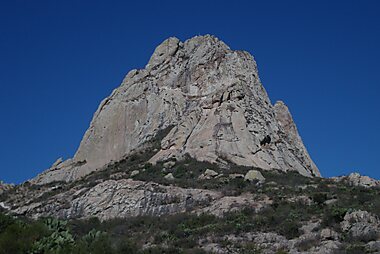
Peña de Bernal is a 433-metre monolith, one of the tallest in the world.
-
Jalpan de Serra
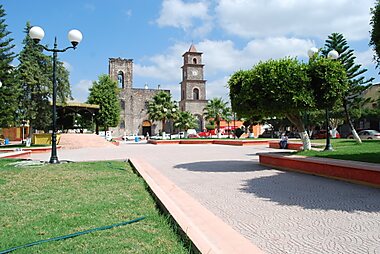
Jalpan de Serra ist eine Stadt mit etwa 11.000 Einwohnern im Norden des mexikanischen Bundesstaats Querétaro.
-
Jalpan de Serra
Jalpan de Serra ist eine Stadt mit etwa 11.000 Einwohnern im Norden des mexikanischen Bundesstaats Querétaro.
-
Arroyo Seco
Arroyo Seco ist ein Ort mit knapp 1500 Einwohnern im Norden des mexikanischen Bundesstaats Querétaro.
-
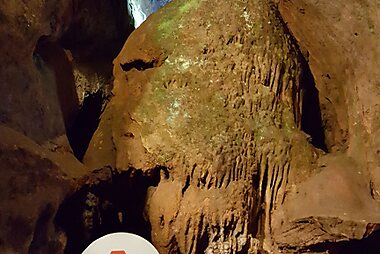
Los Herrera Cave
Explore the underground wonder formed by the stalactites and stalagmites of various sizes and shapes. The cave is a must see.
-
Amealco
Amealco is a town in the Mexican state of Querétaro. Its name is thought to mean place of springs in Nahuatl.
-
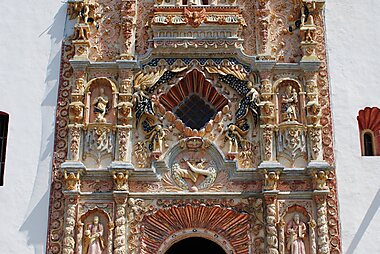
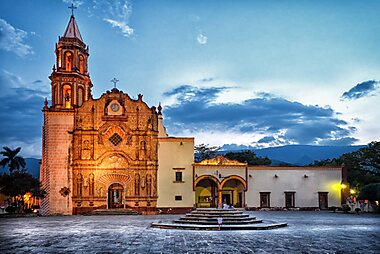
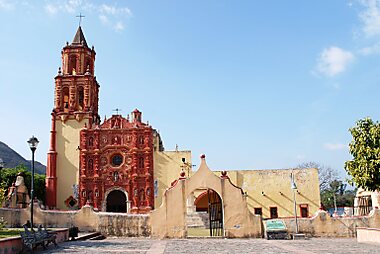
Mission of Santa María del Agua de Landa
A remarkable temple protected by UNESCO with extraordinary facade decorations combining native and Christian motives.
-
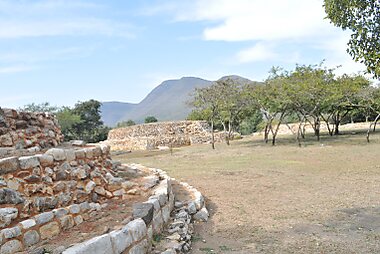
Tancama
Tancama ist ein kleiner archäologischer Fundort im mexikanischen Bundesstaat Queretaro.


Plane Deine Reiseroute Tag Für Tag
Erstelle eine detaillierte Reiseroute mit intelligenter Routenführung, Zeitabschätzungen und allem, was du für eine perfekte Reise brauchst.





Touren & Aktivitäten
Plane Deine Reiseroute Tag Für Tag
Erstelle eine detaillierte Reiseroute mit intelligenter Routenführung, Zeitabschätzungen und allem, was du für eine perfekte Reise brauchst.