



Antigua and Barbuda
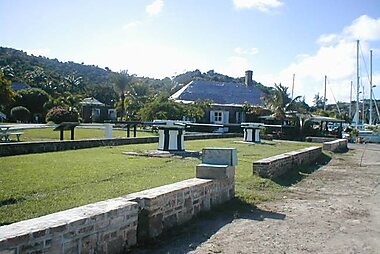
Antigua and Barbuda is a twin-island nation in the eastern Caribbean, known for its beaches, sailing, and laid-back pace. Antigua, the larger island, is said to have 365 beaches, one for every day of the year. Nelson's Dockyard in English Harbour is a restored 18th-century naval base and a UNESCO World Heritage Site, still used as a working marina today. Barbuda, the smaller and quieter sister island, has pink-sand beaches, a large frigate bird colony, and far fewer visitors.
The country suits travelers who want beach time, sailing, and watersports rather than nightlife or budget backpacking. Resorts and restaurants lean upscale, and many beaches are lined with hotels rather than open to independent camping or budget stays. Couples, sailing enthusiasts, and families looking for calm water and warm weather will find the most to enjoy here.



Antigua and Barbuda – Planning a Trip?
Build your day-by-day itinerary in the Tripomatic app.


Money & payments
US dollars are accepted almost everywhere alongside the local currency. Change is often given in a mix of both, so carry small bills of each. Bring cash for local buses, small vendors, and Barbuda — card machines are less common there. ATMs are easy to find in St. John's and near major resorts, but scarce in rural areas and on Barbuda.
Tourism prices here lean upscale, especially for resort stays and rental cars.
Featured Lists

Antigua and Barbuda Essentials
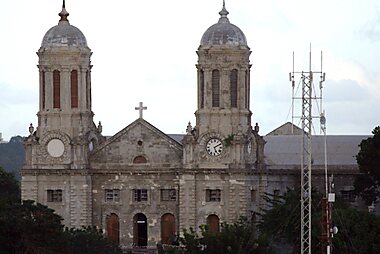
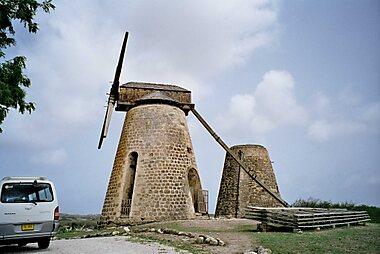
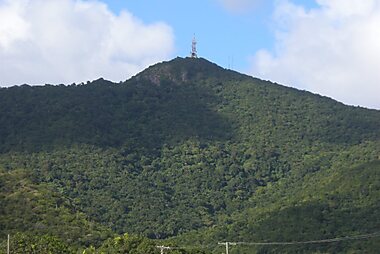
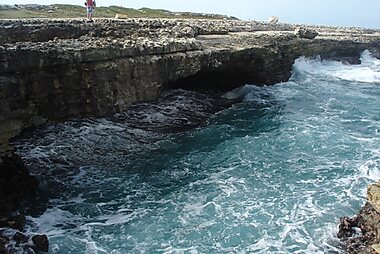
Antigua and Barbuda’s heritage is defined by the UNESCO-listed Nelson's Dockyard and the 18th-century fortifications of Shirley Heights and Fort James. Cultural landmarks include the baroque St. John's Cathedral and the historic Betty’s Hope sugarcane plantation. Natural highlights range from the limestone formations of Devil's Bridge to the island's highest peak, Mount Obama. For recreation, the selection includes the white sands of Dickenson Bay, the cricket grounds of Sir Vivian Richards Stadium, and marine encounters at Stingray City.
13 places

Best Beaches
Antigua is renowned for its diverse coastline, offering everything from secluded snorkeling spots to active hubs for local sports. This list features Deep Bay, where a shipwreck lies submerged in the center of the bay, and Half Moon Bay, which transitions from calm snorkeling waters in the north to windsurfing waves in the south. Visitors can join locals for cricket and volleyball at Fort James Beach or watch planes depart from Jabberwock Beach. From the quiet, turquoise shores of Jolly Beach to the beachcombing opportunities at Turners Beach, these locations represent the island's finest shorelines.
9 places
Tours & Activities
Antigua and Barbuda — Map

 Open the interactive map
 Tipping
Tipping follows North American habits more than European ones. Restaurants often add a service charge automatically, so check your bill before adding more. Tour guides who go out of their way, such as snorkeling or hiking guides, appreciate a direct tip, since a service charge would not reach them.
10–15% (often already added as a service charge)
US$1–2 per bag or per day for housekeeping
round up the fare
US$5–10 per person
Electricity
This voltage is unusual for a North American-style plug. Most modern phone and laptop chargers handle it fine. An older 120 V-only appliance needs a voltage converter, not just a plug adapter.
Language
English is the official language and used everywhere, including on menus and signs. Many locals speak Antiguan Creole among themselves, an English-based Creole that can be hard for visitors to follow, but everyone switches easily to standard English with tourists.
Staying connected
Prepaid SIM cards are available at the airport and in St. John's from the national carriers. Bring your passport, since registering a SIM card requires ID. Mobile coverage is reliable across Antigua but patchier on Barbuda and along some remote coastlines.
Safety & emergencies
Antigua and Barbuda is generally safe for tourists, and violent crime rarely targets visitors. The most common issue is petty theft from cars, beaches, and unlocked hotel rooms. Keep valuables out of sight and use a hotel safe when available. Use normal caution walking alone at night away from resort areas, particularly in parts of St. John's.
Health
Tap water is treated and technically safe to drink, but many visitors and locals prefer bottled or filtered water for its taste. Pharmacies are available in St. John's and near major resort areas, generally keeping standard business hours with limited weekend service. Smaller settlements and Barbuda have far fewer options. No special vaccinations are required for most travelers, though routine immunizations should be up to date. Pack mosquito repellent for the tropical climate.
Visas & entry
Most visitors, including citizens of the United States, Canada, the United Kingdom, and the European Union, can enter without a visa. The length of stay granted on arrival varies by nationality — commonly around 30 days, though some visitors receive longer — and can be extended at the immigration office in St. John's. A valid passport and proof of onward or return travel are generally required at entry. Citizens of some other countries need to arrange a visa in advance.
Visa and entry requirements change frequently. Verify current requirements with the official immigration authority or your country's embassy before travel.
Etiquette
Beachwear belongs on the beach — cover up with a shirt or wrap when entering shops, restaurants, or town areas. Camouflage-patterned clothing is illegal for civilians to wear or carry in Antigua and Barbuda, including on children, and can be confiscated at customs. Greet shopkeepers and staff with a hello before starting a transaction; skipping the greeting can come across as rude. Ask before photographing individuals, especially in local neighborhoods.
Holidays & opening hours
Public holidays affect most banks, government offices, and many shops, while resorts and tourist-facing restaurants generally stay open. Carnival in early August effectively pauses the country for several days, with parades and events across Antigua.
Most shops keep standard daytime hours and close early or stay shut on Sundays outside resort areas, so plan grocery and pharmacy errands for weekdays.
Getting around
- By bus: Privately run minibuses connect St. John's with towns and villages around Antigua at low fares, though there is no fixed schedule or map — flag one down and pay the driver in cash. There is no bus service to Barbuda; reach it by ferry or a short flight.
- By taxi: Taxis wait at the airport, cruise port, and resorts, and charge government-set fixed fares by route rather than using a meter — confirm the price before getting in.
- By rental car: A local driving permit, bought from your rental company or on arrival, is required alongside your home license. A rental car is the practical way to reach beaches and sights that buses do not serve.
- By ferry: A passenger ferry connects St. John's with Barbuda, taking around 90 minutes each way; a short flight is also available.
- Driving side: Traffic drives on the left. Rental cars are set up to match, but stay alert at roundabouts and junctions if you normally drive on the right.
Driving
- Speed limits: Roads are mostly narrow and winding, with modest limits in towns and higher limits on the open road — there are no motorways.
- Key rules: Seatbelts are mandatory in front seats, and using a handheld phone while driving is illegal.
- Parking: Street parking is common and usually free outside town centers, where paid parking zones apply during business hours.
- Fuel: Stations are typically attended rather than self-service, and accept both cash and cards.
Food & drink
Breakfast is often saltfish with johnnycakes or provisions like breadfruit and sweet potato, eaten at home or from small roadside stalls. Lunch and dinner center on fresh seafood, chicken, and one-pot stews, often paired with rice, peas, or fungee, a cornmeal side similar to polenta. The national dish pairs fungee with pepperpot, a spiced stew of pumpkin, spinach, and meat.
Street food and snacks include ducana, a sweet dumpling of grated sweet potato and coconut steamed in banana leaf. The Antigua black pineapple is another local specialty — a small, unusually sweet variety grown almost nowhere else. Locally distilled rum appears in punches and cocktails at beach bars, alongside the local lager.
Casual, open-air restaurants and beach bars are the typical setting for eating out, and a big Sunday lunch with extended family remains a weekly tradition for many households.
Where to explore
Barbuda sits about 50 kilometers north of Antigua and sees a fraction of the visitors. It is known for pink-sand beaches and a large frigate bird colony in its lagoon, reachable by ferry or a short flight from Antigua. Its small population and slower pace make it a contrast to Antigua's resort coast.
On Antigua itself, the capital St. John's holds the main harbor, airport, and cruise terminal, while English Harbour and Falmouth Harbour in the south are the historic center of the island's sailing and yachting scene.


Antigua and Barbuda – Plan Your Days
Turn the places from this guide into a real itinerary, with smart routing, time estimates, and everything you need for a perfect trip.


Related destinations
Data: © OpenStreetMap contributors, Wikidata, Wikipedia, Tripomatic, Official websites, geoBoundaries (CC BY 4.0). Tours by GetYourGuide. We earn commission from bookings. Travel guide generated with AI.