


Barbados
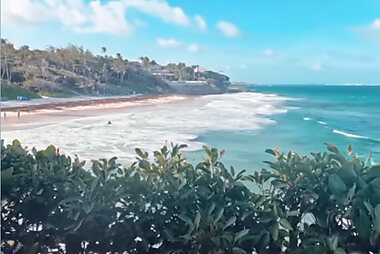
Barbados is the most easterly island in the Caribbean, sitting out in the Atlantic Ocean rather than tucked inside the main island chain. It is mostly flat coral limestone rather than volcanic. That shapes the island's two coastlines: calm, pink-and-white sand beaches on the west and south, and a wilder, cliff-lined Atlantic coast in the east. English is the official language. The island also has a long tradition of parliamentary government — its Parliament, established in 1639, is one of the oldest in the Commonwealth. Barbados suits travelers who want reliable infrastructure, easy beach time, and a strong food and rum culture, more than backpacker-style budget travel.
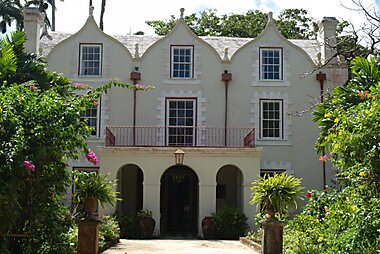
The island was uninhabited when English settlers arrived in 1627. It quickly became one of Britain's most profitable sugar colonies, built on the forced labor of enslaved Africans; slavery was abolished in 1834. For a glimpse of that period, St. Nicholas Abbey is a preserved 17th-century plantation house open to visitors. Barbados became independent in 1966 and a republic in 2021, removing the British monarch as head of state while remaining a member of the Commonwealth.

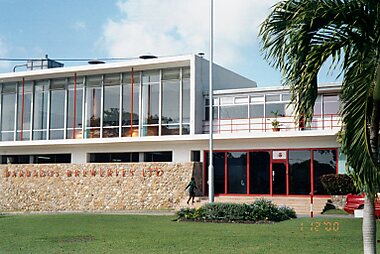
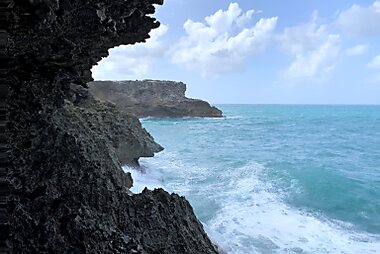
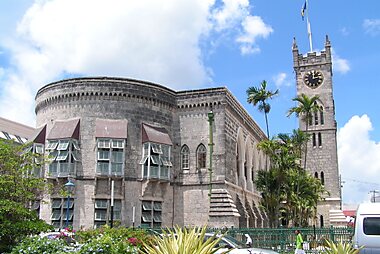
Barbados – Planning a Trip?
Build your day-by-day itinerary in the Tripomatic app.
Money & payments
Barbados uses the Barbados dollar (BBD), fixed at two to one against the US dollar. Because of that peg, many hotels, tours, and larger shops price in and accept US dollars interchangeably with Bajan dollars, though change is often given in BBD.
ATMs are common in Bridgetown and along the main tourist coasts; carry small amounts of cash for local rum shops, minibuses, and market stalls that don't take cards.


Featured Lists

Barbados Essentials
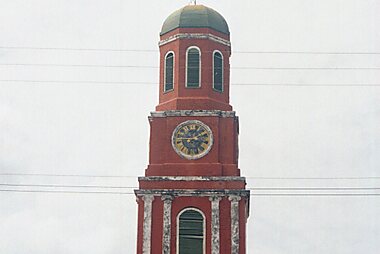
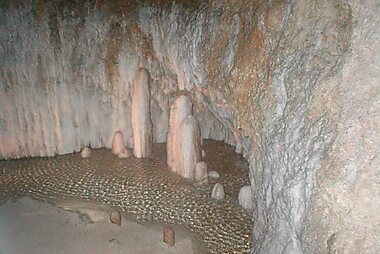
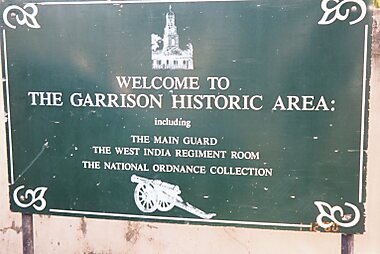
Barbados features a blend of British colonial heritage and diverse natural landmarks. Historic Bridgetown and the 17th-century St. Nicholas Abbey highlight the island's past, while the Garrison and Gun Hill Signal Station preserve its military history. Natural sites include the crystallized limestone passages of Harrison’s Cave and the pink sands of Crane Beach. Visitors can explore botanical collections at Andromeda and Hunte's Gardens, dive among shipwrecks in Carlisle Bay, or experience local fishing culture at the Oistins fish fry.
13 places
Best Beaches in Barbados
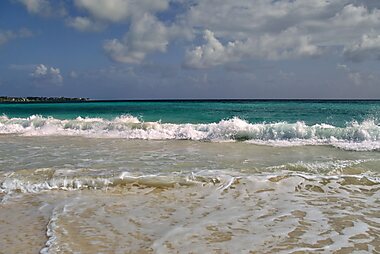
Barbados offers a diverse coastline, from the calm, turquoise waters of the south coast to the rugged, Atlantic-facing cliffs of the east. This selection features world-renowned pink sands at Crane Beach, coral reefs ideal for snorkeling at Worthing Beach, and the natural palm-fringed scenery of Foul Bay. While south coast spots like Rockley and Dover provide lively resort amenities, northern locations like River Bay offer a more secluded environment characterized by dramatic scenery and strong undercurrents.
8 places

Tours & Activities
Barbados — Map

Tipping
A service charge, usually around 10%, is often already added to restaurant bills, so check before adding more. Where it isn't included, 10% is appreciated but not required. Taxi drivers and tour guides welcome a small tip for good service, and hotel porters and housekeeping are commonly tipped a dollar or two per bag or per day.
10% if not already added as a service charge
$1-2 per bag or per day
round up or ~10%
10-15% for a full-day tour
round up
Electricity
Barbados is an unusual mix: American-style flat two-pin plugs at 115 V, but a 50 Hz frequency instead of the 60 Hz used in the US and most of the rest of the Caribbean. Most modern phone and laptop chargers handle this automatically, but older appliances built only for 60 Hz may run slightly differently.
Language
English is the official language, and almost everyone also speaks Bajan, an English-based creole, especially in casual conversation. Visitors can get by in English everywhere, though the local accent and creole expressions can take a day or two to get used to.
Safety & emergencies
Barbados is one of the safer Caribbean destinations for tourists, and violent crime against visitors is rare. The main risks are opportunistic theft — unattended bags on the beach, valuables left visible in parked cars — and, at night, some areas of Bridgetown away from the main tourist strip. Ordinary precautions are enough for most trips.
Health
Tap water is treated to safe standards and is normally fine to drink. Barbados draws its water from natural coral limestone aquifers, and it is generally well rated for quality in the Caribbean. If water tastes off in an older building, bottled water is sold everywhere. Pharmacies are widely available in Bridgetown and the main resort areas, with normal daytime hours and limited service on Sundays. As elsewhere in the Caribbean, mosquito-borne illnesses such as dengue occur from time to time, so use repellent, especially around dusk. No special vaccinations are required for most travelers; a yellow fever certificate is only needed if arriving from a country with yellow fever risk. Check current recommendations with a travel clinic before you go.
Visas & entry
Citizens of the US, UK, Canada, most EU countries, and many other nations can enter Barbados without a visa as tourists, for stays ranging from a few weeks to several months. Nationals of some other countries need to arrange a visa in advance. All visitors need a passport valid for the length of their stay, plus proof of onward or return travel.
Visa and entry requirements change frequently. Verify current requirements with the official immigration authority or your country's embassy before travel.
Etiquette
Camouflage-patterned clothing is illegal for civilians in Barbados, including tourists — customs can confiscate it on arrival, and wearing it in public can lead to a fine. Leave camo clothing, bags, and accessories at home.
Dress is casual, but beachwear like bikinis and bare chests is expected only at the beach or pool — cover up when walking through towns, restaurants, or Bridgetown. Modest dress covering shoulders and knees is expected at churches.
Bajans are generally polite and appreciate a greeting — "good morning" or "good afternoon" — before starting a conversation or transaction, even a quick one in a shop or taxi.
Holidays & opening hours
Public holidays can close banks, offices, and some shops for the day. Kadooment Day, the costumed street-parade climax of the Crop Over festival, is one of the biggest holidays on the island and affects traffic and parking around the parade route.
Most shops keep standard daytime hours and close early or stay shut on Sundays outside the tourist areas; supermarkets and pharmacies near the resorts tend to stay open longer.
Getting around
- By taxi: fares aren't metered, so agree the price with the driver before you get in. Taxis wait at hotels, the airport, and the cruise terminal.
- By ZR van or bus: privately run minibuses, known locally as ZRs, and the public Barbados Transport Board buses cover the whole island cheaply. Flag them down anywhere along their route and pay in cash on board.
- By rental car: renting a car is common and requires a temporary local driving permit, which the rental company issues on the spot for a small fee.
Barbados drives on the left, so if you learned to drive on the right, take it slowly at first, especially at roundabouts.
Driving
- Tolls: Barbados has no toll roads or vignette system.
- Fuel: stations sell petrol and diesel; most are staffed rather than self-service, and pumps take cash or card.
- Parking: free street parking is common outside Bridgetown; the capital has metered and lot parking during the day.
- Roads: some rural and east-coast roads are narrow, winding, and can be pot-holed after heavy rain — drive carefully outside the main highways.
Food & drink
Bajan food centers on fresh fish. The national dish is cou-cou and flying fish: a cornmeal-and-okra side dish served with fish steamed in a light, seasoned gravy. Macaroni pie, a baked and heavily seasoned pasta bake, shows up at almost every gathering. Pudding and souse is a spiced pickled pork dish traditionally eaten on Saturdays. Fish cakes, a fried saltfish snack, are sold everywhere from bakeries to roadside stands.
Barbados is often credited as the birthplace of rum, and it stays central to Bajan drinking culture today. Small roadside rum shops are a genuine social institution, not just a tourist activity. Friday night at the fish fry in Oistins, a fishing town on the south coast, is a long-running local tradition of fresh grilled fish, sides, and music that draws both residents and visitors.
Where to explore
Bridgetown, the capital, holds the country's parliament and government offices, its cruise port, and the UNESCO-listed Barbados Garrison area, with its 19th-century military buildings and horse-racing track.
The west coast parishes, often called the "Platinum Coast," have Barbados's calmest beaches and most upscale resorts, centered on the small towns of Holetown and Speightstown.
The south coast, around Worthing and Oistins, is livelier and more budget-friendly, with a strip of bars and restaurants and the Friday-night fish fry at Oistins.
The east coast, facing the open Atlantic around the village of Bathsheba, is wilder and better known for surfing and dramatic scenery than for swimming.


Barbados – Plan Your Days
Turn the places from this guide into a real itinerary, with smart routing, time estimates, and everything you need for a perfect trip.