



Cameroon
Cameroon is often called "Africa in miniature". In one country you find beaches on the Atlantic, volcanic mountains, rainforest, savanna and dry Sahel landscapes in the far north. It is also a meeting point of cultures. More than 200 ethnic groups live here, and there are two official languages, French and English. Most of the country speaks French, while the two western regions, the Northwest and the Southwest, are English-speaking.
The country suits independent, experienced travelers who are comfortable with basic infrastructure and some planning. Most visitors start in the capital Yaoundé or the port city Douala. Popular additions are the beaches around Kribi and the kingdoms of the western highlands. Several regions are under serious travel warnings, so check the security situation before you plan your route.




Cameroon – Planning a Trip?
Build your day-by-day itinerary in the Tripomatic app.


Money & payments
Cameroon uses the Central African CFA franc, shared with five other countries in the region. It has a fixed exchange rate to the euro, so euros are the easiest currency to exchange. West African CFA francs (XOF) are a different currency and are not accepted here.
- Cash is essential. Hotels in the big cities and some supermarkets take Visa cards, but most restaurants, markets, taxis and buses want cash.
- ATMs: found in the larger cities and towns. Visa works much more often than Mastercard. Carry enough cash before you travel to rural areas and national parks.
- Mobile money: locals pay with MTN MoMo and Orange Money for almost everything. It is useful if you stay longer and have a local SIM card.
- Small notes: keep small notes and coins, because change is often hard to find.
A budget traveler can manage on around 25,000–35,000 XAF per day with simple guesthouses and local food. A mid-range trip with a private driver and comfortable hotels costs much more, often 80,000 XAF per day or above.
Featured Lists

Tours & Activities
Cameroon — Map

 Open the interactive map
 Tipping
Tipping is not a strong custom in everyday life in Cameroon. In local eateries and bars nobody expects a tip. In restaurants aimed at visitors and business travelers, rounding up or leaving a small amount is appreciated.
- Guides and porters: tipping is expected, for example on a national park trip or a guided hike. Agree the price of the tour first and tip at the end.
- Drivers: if you hire a car with a driver for several days, a tip at the end of the trip is normal.
- Taxis: agree the fare before you get in; no tip is needed.
round up, or 5–10 % in upscale places
500–1,000 XAF for porters
agree amount with guides and porters; tip at the end
Electricity
Outlets are the same as in most of continental Europe, so European chargers work without an adapter. Power cuts are common outside the best hotels, so a power bank is useful.
Language
French and English are both official languages, but French dominates in eight of the ten regions, including Yaoundé and Douala. English is common in the Northwest and Southwest regions. Many people in the English-speaking areas also speak Cameroonian Pidgin English. Hundreds of local languages are spoken at home, and Fulfulde is widely used in the north.
Outside hotels and tourist businesses, basic French is very helpful. Taxi drivers, market sellers and bus staff in French-speaking areas often speak little English.
Staying connected
- SIM cards: MTN and Orange are the main mobile networks. You need your passport to buy and register a SIM card; buy it at an official shop of the operator.
- Coverage: mobile data works well in the cities and along the main roads. Coverage is weak or missing in rainforest areas and national parks.
- Internet shutdowns: the government has restricted internet access in some regions during periods of unrest. Download offline maps before you travel.
Safety & emergencies
Security varies a lot by region. Several Western governments advise against all travel to large parts of the country:
- Northwest and Southwest regions: an armed conflict between separatist groups and government forces has continued since 2017. Kidnapping and violence affect towns and roads. The coastal town of Limbe is in the Southwest region.
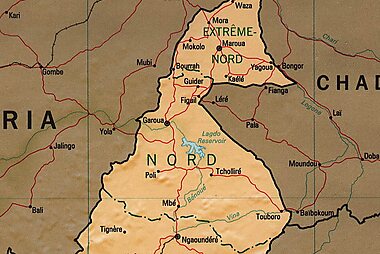
- Far North region: armed groups linked to Boko Haram carry out attacks and kidnappings, especially near the borders with Nigeria and Chad.
- North, Adamawa and East regions: kidnapping for ransom is a risk in the North region and in border areas of the Adamawa and East regions, near the Central African Republic.
In Yaoundé, Douala and the south, the main issues for visitors are street crime and road safety. Pickpocketing and bag snatching happen in markets, bus stations and busy streets. Avoid walking alone after dark and use a taxi recommended by your hotel at night.
Carry your passport or a certified copy at all times. Police and military checkpoints are common, and officers can ask for your documents.
Same-sex sexual activity is illegal in Cameroon.
Health
- Yellow fever: a vaccination certificate is required for entry. Carry the original card.
- Malaria: the risk is high in the whole country, all year. Talk to a travel doctor about antimalarial tablets and use mosquito repellent and nets.
- Other vaccinations: travel clinics usually recommend hepatitis A, typhoid and routine vaccinations. Ask about rabies, meningitis and cholera if you plan a long or rural trip.
- Water: do not drink tap water. Drink sealed bottled water, and be careful with ice and raw salads.
- Pharmacies: well-stocked pharmacies are easy to find in the cities. Supplies are limited in rural areas, so bring your own medicines. Buy medicines only from licensed pharmacies, because fake drugs are sold at street stalls.
- Medical care: good care is limited to a few private clinics in the large cities. Serious cases often need evacuation, so take out travel insurance that covers it.
Visas & entry
Most visitors need a visa. Citizens of the other Central African (CEMAC) countries and a few other states can enter without one.
- e-Visa: apply and pay online through the official portal evisacam.cm, at least 10 days before your trip. You receive an authorization with a QR code by email.
- Visa printing: print the authorization and bring it with you. The visa itself is printed at the airport or border post when you arrive, or at a Cameroonian embassy before you travel.
- Documents: expect to show a passport valid for at least six months, a return ticket, a hotel booking or invitation letter and your yellow fever certificate.
- Plan ahead: tourists cannot get a visa at the border without an approved e-Visa authorization.
Visa and entry requirements change frequently. Verify current requirements with the official immigration authority or your country's embassy before travel.
Etiquette
- Greetings matter. Always greet people before you ask a question or start a purchase. A handshake is normal. Say "Bonjour" or "Good morning" first.
- Respect for elders and chiefs: in the western highlands, traditional kings and chiefs (fon in the English-speaking areas) still have great authority. Follow your guide's lead when you visit a palace, and ask before you take photos.
- Photography: never photograph police, soldiers, military sites, airports or government buildings. Always ask before you photograph people.
- Dress: dress modestly, especially in the Muslim north and in villages. Cover your shoulders and knees in mosques and churches.
- Bargaining: expected in markets and for taxis without meters. Stay friendly and patient.
- Right hand: use your right hand to eat, give money and shake hands.
Holidays & opening hours
On public holidays, government offices and banks close, and many shops keep short hours. National Day brings parades and closed roads in the cities. Muslim festivals such as the end of Ramadan are also public holidays, with dates that move every year.
Shops usually open from about 8:00 to 18:00 or later, and many small shops and markets also open on Sunday. Government offices and banks close earlier in the afternoon and do not open on Sunday.
Getting around
Distances are long and many roads are in poor condition, especially in the rainy season. Plan fewer places and more travel time than you expect.
- By train: Camrail runs trains between Douala and Yaoundé, and an overnight train from Yaoundé to Ngaoundéré in the north. Buy tickets at the station or online via Camrail, and choose first class or a sleeper.
- By air: Camair-Co flies from Yaoundé and Douala to Garoua and Maroua in the north. Flights save days of overland travel, but schedules change often. Check the security advice for the north before you book.
- By bus: private bus companies connect all major cities. Choose an established company with its own terminal and avoid night travel.
- By taxi: shared yellow taxis run on fixed routes in the cities. Agree the price before you get in, or pay extra for a private ride ("dépôt").
- With a driver: renting a car with a local driver is the easiest way to visit the western highlands, the coast around Kribi and Campo Ma'an National Park.
Driving
Self-driving is possible but demanding. Most visitors hire a car with a local driver.
- Documents: carry an International Driving Permit together with your national licence, plus your passport and the car papers. Expect frequent police and gendarmerie checkpoints.
- Road conditions: the main routes between Douala, Yaoundé and Kribi are paved, but potholes, overloaded trucks and livestock are common. Many rural roads are dirt tracks that become very difficult in the rainy season.
- Night driving: avoid it. Unlit vehicles, pedestrians and broken-down trucks make roads dangerous after dark.
- Tolls: toll stations are frequent on national roads. Keep small notes ready.
- Fuel: stations are attended, and you usually pay in cash. Fill up in towns before rural stretches. Petrol is sold as Super and diesel as Gasoil. Avoid fuel sold in bottles at the roadside.
- Electric vehicles: there is no practical public charging network for travelers.
Food & drink
Cameroonian food is filling and full of flavor, based on plantains, cassava, cocoyam, beans, peanuts and palm oil. Breakfast is often bought from street stalls, for example beignets with spicy beans and corn porridge. Lunch is the main meal for many people. In the evening, locals gather at roadside grills for grilled fish, chicken or soya beef skewers with a cold beer.
Try the national dish ndolé, a stew of bitter leaves with peanuts and shrimp. Poulet DG, chicken with fried plantains and vegetables, is a favorite in restaurants. Each region has its own specialties: eru and achu come from the English-speaking west, while the north eats more millet, rice and grilled meat. Dishes are often served with a hot pepper sauce on the side.
Local eateries called tourne-dos serve cheap home-style meals. Cold beer from local breweries is everywhere, and palm wine is common in villages. Non-drinkers can choose foléré (hibiscus juice) or fresh ginger juice.
Where to explore
Cities and the coast
- Yaoundé: the capital, spread over green hills, with the National Museum and good access to primate sanctuaries.
- Douala: the largest city and main port, and the most common arrival point.
- Kribi: the main beach town, known for grilled seafood and the Lobé Falls, which drop straight into the sea.
- Campo Ma'an National Park: coastal rainforest south of Kribi, with forest walks and sea turtle projects.
Western highlands
- Foumban: seat of the Bamoun sultans, with the royal palace, museum and a craft quarter.
- Bafoussam: the main city of the West region and a base for visiting the Bandjoun chiefdom.
- Dschang: a cool highland town with a museum of the civilizations of Cameroon.
Rainforest
- Dja Faunal Reserve: a UNESCO World Heritage rainforest reserve, remote and suited to organized expeditions.
Regions under travel warnings
These places are famous, but they lie in regions where many governments advise against travel. Check the current situation before you plan a visit.
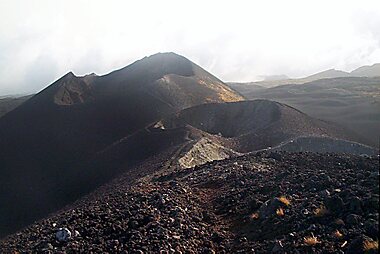
- Buea and Mount Cameroon National Park: the starting point for climbing the volcano, the highest peak in this part of Africa at about 4,040 m.
- Korup National Park: one of Africa's oldest rainforests, near the Nigerian border.
- Bamenda: the main town of the Northwest region and gateway to the Ring Road and the Bafut palace.
- Garoua and Bénoué National Park: savanna, hippos and wildlife in the north.
- Maroua and Waza National Park: the Sahel north, with the Mandara Mountains and the best-known savanna park.
Cameroon – Plan Your Trip
Pick the places you want to see and Tripomatic turns them into a day-by-day route, with smart routing, time estimates, and everything you need for a perfect trip.


Related destinations


Data: © OpenStreetMap contributors, Wikidata, Wikipedia, Tripomatic, Official websites, geoBoundaries (CC BY 4.0). Tours by GetYourGuide. We earn commission from bookings. Travel guide generated with AI.