



Costa Rica
Costa Rica is a small Central American country between the Pacific Ocean and the Caribbean Sea. It is known for its rainforests, volcanoes, and beaches, and for the amount of wildlife packed into a small area. The country abolished its military in 1948, an event still celebrated as Army Abolition Day, and that choice is closely tied to its identity as a peaceful, nature-focused destination.
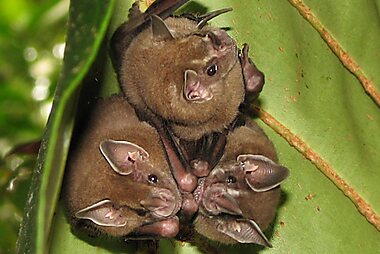
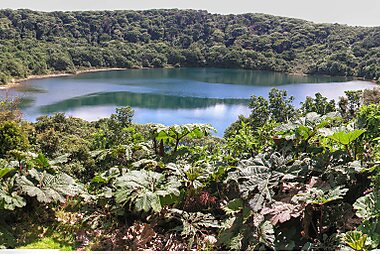
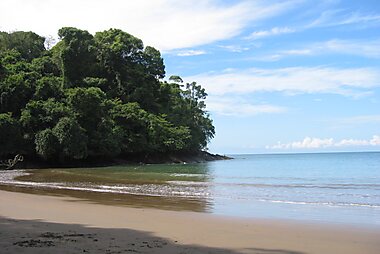
The landscape changes fast over short distances. Active volcanoes and cloud forests fill the central highlands, while the Pacific and Caribbean coasts each have their own beach towns, wildlife, and pace of life. Around a quarter of the country is protected as national parks or reserves. Costa Rica suits travelers who want to combine outdoor adventure — hiking, surfing, wildlife watching — with comfortable places to stay and relax afterward.



Costa Rica – Planning a Trip?
Build your day-by-day itinerary in the Tripomatic app.


Money & payments
Costa Rica's currency is the colón, but US dollars are accepted almost everywhere — hotels, tour operators, and many restaurants price in both. Change is often given in colones, so carry small bills of both currencies if you can.
ATMs are common in cities and tourist towns. Cash still matters outside those areas: national park entrance fees, small rural sodas, and local buses may not take cards. Withdraw colones for these before heading into remote areas.
Featured Lists


Tours & Activities
Costa Rica — Map

Tipping
A 10% service charge and 13% tax are added to restaurant bills by law, so tipping beyond that is optional and only for exceptional service. Tour guides are the exception: a daily tip is customary and appreciated.
10% service charge already included by law; extra only for exceptional service
small amount for porters/housekeeping
round up the fare
$5-10 per person per day
Round up for taxis rather than calculating a percentage. Hotel porters and housekeeping appreciate a small tip, though it is not required.
Electricity
Costa Rica uses Type A/B plugs at 120 V / 60 Hz, the same as the United States — travelers from North America won't need an adapter.
Language
Spanish is the official language. English is widely spoken in hotels, tour operations, and restaurants in the main tourist areas — Guanacaste, the Arenal region, and the coasts — but far less so in small inland towns. A few basic Spanish phrases go a long way outside the main tourist circuit.
Staying connected
Prepaid SIM and eSIM plans from Kölbi, Liberty, and Claro are easy to buy at the airport or in shops in almost any town; bring your passport to activate one. Coverage is strong along the main tourist routes but can drop out in remote national parks and on mountain roads.
Safety & emergencies
Costa Rica is generally safe for tourists, but petty theft — bag snatching, car break-ins, distraction theft — is the most common problem, especially in San José, at beaches, and around rental car parking areas. Don't leave valuables visible in a parked car, and keep an eye on bags at bus stations and beaches.
Rip currents are a real risk at many Pacific beaches. Swim only where lifeguards or locals are present, and ask about conditions before going in.
Health
Tap water is safe to drink in San José and most towns; in very remote areas, bottled or filtered water is the safer choice. Pharmacies (farmacias) are common and well-stocked, and many sell over-the-counter versions of medicines that need a prescription elsewhere.
No vaccinations are required for entry, but a yellow fever certificate is required if you're arriving from a country with risk of yellow fever transmission. Mosquito-borne illnesses such as dengue exist in lowland and coastal areas — use repellent, especially during and right after the rainy season.
Visas & entry
Citizens of the US, Canada, the EU, the UK, and most Latin American countries can enter Costa Rica visa-free for a non-extendable stay of up to 180 days, with a passport valid for the length of the stay. Proof of onward or return travel is sometimes requested at the border.
Travelers who need a visa can apply at a Costa Rican consulate before arrival.
Visa and entry requirements change frequently. Verify current requirements with the official immigration authority or your country's embassy before travel.
Etiquette
Costa Ricans, known as Ticos, use the phrase "Pura vida" for everything from "hello" and "goodbye" to "everything's fine" — it sums up the country's relaxed, easygoing culture. Greetings are warm; a handshake is standard, and friends often greet with a light cheek kiss.
Casual dress is fine almost everywhere, including many restaurants. Swimwear is for the beach or pool only — cover up when walking through towns. Punctuality is relaxed outside business meetings, so don't be surprised if plans run on "Tico time."
Holidays & opening hours
Public holidays affect transport and business hours: many shops and offices close, and buses run on reduced schedules. Semana Santa, the week before Easter, is the most disruptive — expect closures and busy roads as Ticos travel.
Shops in cities typically open Monday to Saturday and close by early evening; many close or reduce hours on Sundays. Sodas, the small local eateries, tend to keep longer, more flexible hours.
Getting around
- By air: Domestic flights connect San José with Guanacaste (via Liberia), the Osa Peninsula (via Puerto Jiménez), and other remote areas — worth it when the drive would otherwise take most of a day on mountain roads.
- By bus: An extensive public bus network reaches almost every town. It's cheap but can be slow on mountain routes. Private shuttle services connect major tourist towns directly and cost more but save time.
- By car: Renting a car gives the most flexibility for reaching beaches and national parks, though many rural roads are unpaved and slow, especially in the rainy season.
Driving
- Road conditions: Paved highways connect the major cities, but many rural and mountain roads are unpaved, narrow, and slow — a short distance on the map can take hours. A 4x4 is worth it for trips to Monteverde, the Osa Peninsula, or Caribbean beach towns beyond Cahuita.
- Tolls: Cash tolls are charged at booths on a few highways, including the San José–Caldera route and sections near the capital — keep small colones bills handy. There is no nationwide vignette.
- Parking: Guarded lots (parqueos) are common in cities and at trailheads. Street parking is often watched informally by attendants (guachimanes) who expect a small tip.
- Fuel: Stations are staffed, not self-service, and take cash or card. Pumps are labeled Súper and Regular for petrol and Diésel for diesel.
- Rental cars: Mandatory local insurance, on top of your own coverage, is a standard extra cost added at pickup — factor it into your budget when comparing quoted prices.
Food & drink
Costa Ricans typically start the day with gallo pinto — rice and beans fried together, usually served with eggs, cheese, and fried plantain. Lunch is the main meal for many locals: a casado plate of rice, beans, salad, plantain, and a choice of meat or fish, often eaten at a small local eatery called a soda. Dinner tends to be lighter, sometimes a smaller version of the same dishes.
Street food and snacks lean on corn and fried plantain: chifrijo (fried pork, rice, beans, and salsa, often served at bars), tamales around the holidays, and patacones (fried plantain) as a side almost everywhere. Fresh fruit juices, called frescos naturales, are sold everywhere, blended from tropical fruit with water or milk. Coffee is a point of national pride — Costa Rica grows some of the world's best arabica, though the highest-grade export beans can be easier to find in specialty cafés than at a hotel breakfast.
Where to explore
Most visits start in San José, the capital, with its markets, museums, and the ornate National Theatre of Costa Rica. Nearby Cartago was the country's colonial capital and holds its most important pilgrimage church, at the foot of Irazú Volcano.
The northern lowlands center on La Fortuna, the base for hiking, hot springs, and views of Arenal Volcano, and on the cloud forests around Reserva Monteverde near Santa Elena. In the northwest, Liberia is the gateway to Costa Rica's driest region and its most developed beach resorts, centered on Tamarindo.
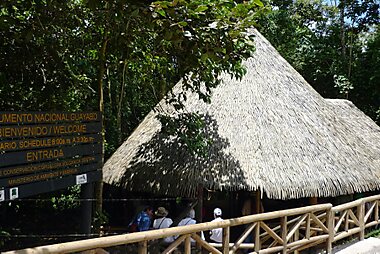
Further south, Quepos is the gateway to Manuel Antonio National Park, one of the country's most visited protected areas, while remote Puerto Jiménez on the Osa Peninsula serves Corcovado National Park's rainforest. Puntarenas is the main port for ferries to the Nicoya Peninsula. On the Caribbean coast, Cahuita has a laid-back, Afro-Caribbean culture distinct from the rest of the country, with a coral reef just offshore.
Costa Rica – Plan Your Trip
Pick the places you want to see and Tripomatic turns them into a day-by-day route, with smart routing, time estimates, and everything you need for a perfect trip.


Related destinations


Data: © OpenStreetMap contributors, Wikidata, Wikipedia, Tripomatic, Official websites, geoBoundaries (CC BY 4.0). Tours by GetYourGuide. We earn commission from bookings. Travel guide generated with AI.