



Curaçao
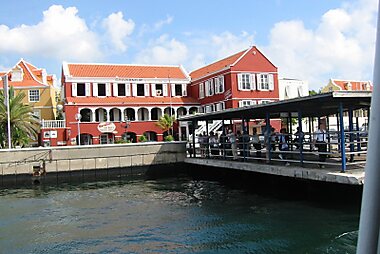
Curaçao is a small Caribbean island and a constituent country of the Kingdom of the Netherlands. It sits outside the Atlantic hurricane belt. Its capital combines Dutch colonial architecture with dry, cactus-studded countryside and calm, clear water close to shore. The pastel gabled houses of Historic Area of Willemstad sit beside a working harbor. A short drive northwest leads to quiet coves, coral reefs close to shore, and the hiking trails of Christoffel National Park.
The island suits divers and snorkelers first, thanks to a fringing reef that starts just meters offshore. It also rewards travelers who like history and city walking. English and Spanish are widely understood alongside Dutch and Papiamentu, so getting around rarely needs planning. A rental car makes the most of a stay. The best beaches and viewpoints are spread along the coast, not concentrated in one resort strip.




Curaçao – Planning a Trip?
Build your day-by-day itinerary in the Tripomatic app.


Money & payments
Cash still matters outside Willemstad's restaurants and hotels — small beach bars, roadside food trucks, and local buses often take only cash. US dollars are accepted almost everywhere alongside the local currency, though change may come back in the local notes and coins. ATMs are common in Willemstad and near the larger resorts, less so on the quieter west coast, so withdraw what a full day trip needs before heading out.
Featured Lists


Art and Culture Highlights
This collection highlights Curaçao’s cultural landscape, from the historic plantation houses (landhuizen) that now serve as museums to the vibrant street art of Willemstad. Explore the legacy of the 1795 slave revolt at Landhuis Knip, view the recycled sculptures of Yubi Kirindongo, and see contemporary murals by local artists Sander van Beusekom and Garrick Marchena. These sites offer deep insight into the island’s African heritage, colonial history, and evolving artistic identity.
21 placesTours & Activities
Curaçao — Map

 Open the interactive map
 Tipping
Tipping follows US-style habits more than Dutch ones. Restaurant bills sometimes already include a service charge, which is a business cost rather than a tip for the staff. Check the bill before adding more on top. Tour guides on excursions such as diving trips or island tours are the exception — a tip there is genuinely expected, not optional.
around 10%, cash preferred
round up
a few Cg per bag or per day for housekeeping
round up the fare
10-15 USD equivalent per person
Electricity
Curaçao mixes US-style and European-style outlets. Older buildings often have 127 V type A/B sockets, while many hotels and newer buildings also wire in 220 V type F. Check the socket before plugging in. Bring a universal adapter rather than assuming one plug type covers the whole trip.
Language
Dutch, Papiamentu, and English are all official languages, and Spanish is widely understood too thanks to the island's proximity to Venezuela. Government paperwork and legal matters are handled in Dutch, but in practice hotels, restaurants, and shops switch easily into English. Papiamentu, a Creole language blending Portuguese, Spanish, Dutch, and West African roots, is what most islanders speak at home. Even a few words are warmly received by locals.
Staying connected
A local prepaid SIM from Digicel or Flow costs more than on many neighboring islands, generally $20–30 for a basic data package. It's sold at the airport and in Willemstad. An eSIM bought in advance is often the simpler and cheaper option for a short stay. Coverage is reliable across the island, including along the west-coast beaches.
Safety & emergencies
Curaçao is one of the calmer Caribbean islands for visitors, and violent crime rarely touches tourists. The main risk is opportunistic theft — valuables left visible in a parked rental car, or a bag left unattended on the beach. Leave the glove compartment open and empty when parking at a trailhead or beach, and keep passports and cash in a hotel safe rather than a beach bag.
Health
Tap water is safe to drink islandwide. It comes from seawater desalination rather than a natural aquifer, so it tastes a little flat — which is why many residents still choose bottled water. Pharmacies are well stocked in Willemstad and near the main resort areas, and English-speaking staff are common. No special vaccinations are required for most travelers, though routine immunizations should be up to date. The tropical sun is a bigger everyday risk than any illness — reef-safe sunscreen and plenty of water matter more than most people expect.
Visas & entry
Travelers from the EU, US, Canada, the UK, and many other countries can enter Curaçao visa-free for short stays, generally up to 90 days within a six-month period. A passport valid for the length of the trip is required. Curaçao is not part of the Schengen area, so a Schengen visa alone does not guarantee entry — check the specific requirement for your nationality. Travelers who do need a visa apply through a Dutch embassy or consulate well ahead of the trip.
Visa and entry requirements change frequently. Verify current requirements with the official immigration authority or your country's embassy before travel.
Etiquette
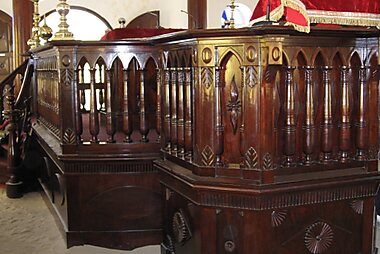
Curaçao is relaxed about dress in general, but swimwear belongs at the beach or pool, not in town restaurants or shops. At Mikvé Israel-Emanuel Synagogue, men are asked to cover their heads — a kippah is provided at the entrance — and shoulders should be covered for both men and women. Greetings are warm and unhurried; a simple "Bon dia" opens most interactions well, even a quick one at a shop counter. Photographing the street art and colorful architecture around Punda, Otrobanda, and Pietermaai is welcome, but ask before photographing people directly. Prices in shops and restaurants are fixed — bargaining is not part of the culture.
Holidays & opening hours
Public holidays bring Willemstad's shops and offices to a stop, though restaurants and hotels in tourist areas stay open. Carnival season, running for weeks before Lent, and King's Day are the liveliest stretches, with parades that can close streets in the historic center. Most shops close on Sundays outside the main tourist strips, and many businesses take a slower pace in the early afternoon heat.
Getting around
- By rental car: the most practical way to reach the west-coast beaches and Christoffel National Park, where public transport is thin. Roads are generally in good condition; book ahead in high season.
- By taxi: fares are fixed by zone rather than metered, so agree the price before getting in. Taxis are easy to find in Willemstad and at hotels, less so on the west coast.
- By public bus: Autobusbedrijf Curaçao (ABC) connects Willemstad to towns across the island cheaply, paid in cash on board or at terminal booths in Punda and Otrobanda; useful for the city itself, less so for reaching remote beaches on a schedule. Autobusbedrijf Curaçao (ABC)
- On foot: central Willemstad, including Historic Area of Willemstad, is compact and walkable, with the pedestrian Queen Emma Bridge linking the Punda and Otrobanda quarters across St. Anna Bay.
Driving
- Getting around: a rental car is the easiest way to reach the island's beaches and parks; book ahead during high season, since demand can outstrip supply.
- Rules: a valid driver's license from home is accepted for a short visit; seatbelts and child seats are mandatory, and drunk-driving limits are enforced.
- Parking: informal and usually free at beaches and trailheads; central Willemstad has metered and garage parking near the main squares.
- Fuel: stations are attended, not self-service, and take cash or card.
Food & drink
Curaçaoan food blends Dutch, Spanish, African, and Caribbean influences into what locals call Krioyo cooking. A typical day starts light — coffee and bread — and builds to a bigger midday meal, the traditional main meal of the day. Dinner is often lighter, or eaten later in tourist areas to match visitor schedules. Stews such as kabritu stoba (goat) and fresh grilled or fried fish are staples. They're usually served with funchi, a cornmeal side similar to polenta, and rice.
Street food is easy to find around Willemstad and at beach kiosks. Pastechi, a fried turnover filled with cheese or spiced meat, is the classic grab-and-go snack. Curaçao Liqueur Distillery is where the original Blue Curaçao liqueur is still distilled from the dried peel of the local laraha citrus. Amstel Bright, the everyday local beer, was brewed on the island using desalinated seawater until the brewery closed in 2005. It's now made under license in the Netherlands and shipped back, but it's still what most islanders order.
Where to explore
Willemstad's historic core splits into two quarters connected by the swinging Queen Emma Bridge. Punda is the old trading center, home to Historic Area of Willemstad, Mikvé Israel-Emanuel Synagogue, and the harborside Punda Floating Market. Otrobanda is quieter, known for street art and its own row of gabled houses. Pietermaai, just east of Punda, has become the island's nightlife and boutique-hotel district in a similarly restored historic quarter.
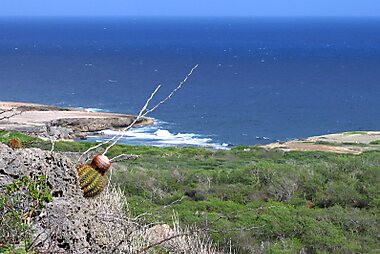
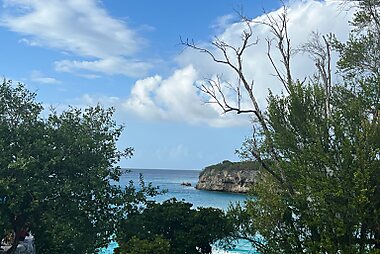
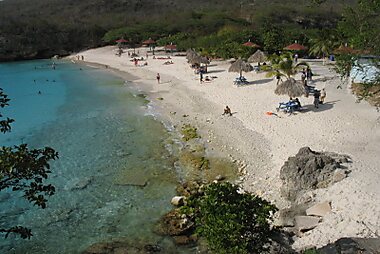
The west coast holds most of the island's best snorkeling beaches. Among them are Cas Abao Beach, Porto Marie Beach, Playa Lagun, and the twin bays of Kenepa Chiki (Kleine Knip) and Kenepa Grandi (Grote Knip). In the island's northwest, Christoffel National Park covers rugged, protected coastline and the island's highest hill. Trails wind through cactus scrub and past sea caves such as Boca Tabla.
On the east side, Jan Thiel and the Spanish Water lagoon form the island's beach-club and watersports scene, anchored by Jan Thiel Beach. Klein Curaçao is a small uninhabited island with a lighthouse and a shallow turquoise lagoon. It's a popular full-day boat trip from the south coast.


Curaçao – Plan Your Days
Turn the places from this guide into a real itinerary, with smart routing, time estimates, and everything you need for a perfect trip.


Related destinations
Data: © OpenStreetMap contributors, Wikidata, Wikipedia, Tripomatic, Official websites, geoBoundaries (CC BY 4.0). Tours by GetYourGuide. We earn commission from bookings. Travel guide generated with AI.