



Dominica
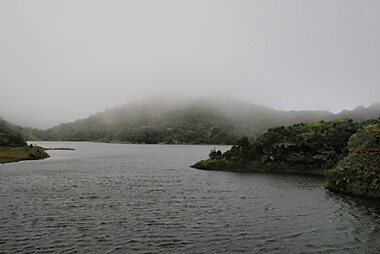
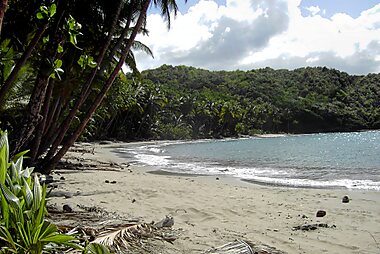
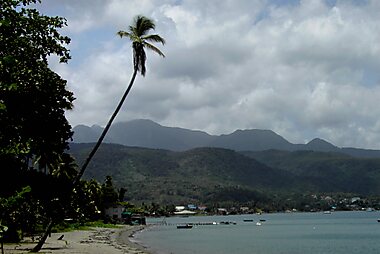
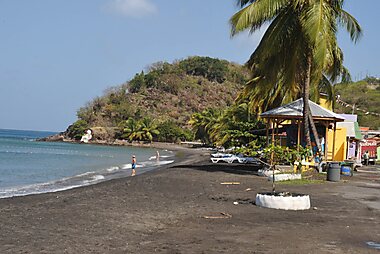
Dominica is a small volcanic island between Guadeloupe and Martinique, better known to travelers as the Nature Island of the Caribbean. Steep, rainforested mountains cover most of the interior, cut by waterfalls, hot springs, and a bubbling volcanic lake. The coastline is mostly black volcanic sand rather than the white beaches found elsewhere in the region, and there are no big resort strips. Christopher Columbus sighted the island on a Sunday in 1493 and named it after the Latin word for that day; almost 500 years later, Dominica became independent on the same date, 3 November 1978.
This is a destination for hikers, divers, and travelers who want nature over nightlife. The interior rainforest, much of it protected inside Morne Trois Pitons National Park, draws visitors for hiking trails, canyoning, and swimming in rivers and waterfalls. Sperm whales live in the waters off the west coast year-round, making whale watching a reliable activity. The Kalinago Territory on the east coast is home to the descendants of the island's original Indigenous people, the last community of its kind still living on its ancestral land in the Caribbean.

Dominica – Planning a Trip?
Build your day-by-day itinerary in the Tripomatic app.
Money & payments
US dollars are accepted almost everywhere alongside the local currency, so there is no need to exchange much cash in advance. Cards work at hotels, larger restaurants, and tour operators, but taxis, minibuses, and small village shops expect cash. ATMs are concentrated in Roseau, Portsmouth, and the airport, so withdraw what you need before heading into the rural interior.


Featured Lists

Dominica Essentials
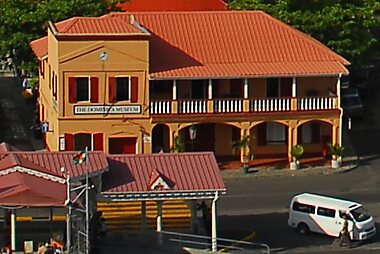
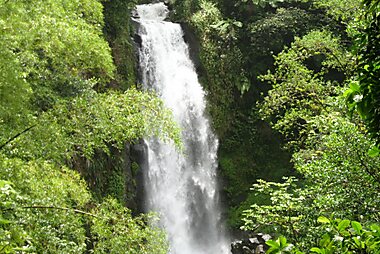
Dominica, known as the 'Nature Island', features the UNESCO-listed Morne Trois Pitons National Park, home to the world's second-largest boiling lake and the Emerald Pool. The island's volcanic origins are visible at Trafalgar Falls and the black sands of Hampstead Beach. Cultural history is preserved at the Kalinago Territory and Fort Shirley in Cabrits National Park. In the capital, Roseau, the Botanical Gardens and the Dominica Museum offer insights into the island's flora and colonial past, while Morne Bruce provides panoramic views of the coastline.
14 places Tours & Activities
Dominica — Map

Tipping
Tipping follows a loose, American-style pattern rather than a strict local custom. A service charge is sometimes already added to restaurant bills, so check before tipping again. Tour guides for hikes and boat trips are the exception, where a tip is genuinely expected given the physical effort involved.
10-15%, check if already added to the bill
round up or leave small change
round up the fare
a few EC$ per bag or per night for porters and housekeeping
EC$20-40 per person for a full-day tour
Electricity
Dominica uses Type G plugs, the UK three-pin type, at 230V/50Hz, so North American devices need an adapter and often a voltage converter too.
Language
English is Dominica's official language and is spoken everywhere, so navigation and communication are straightforward for English-speaking visitors. Many Dominicans also speak Kwéyòl, an Antillean Creole with French roots, especially in rural villages and among older generations. You will hear it in daily conversation even though English handles every practical need.
Staying connected
Digicel and Flow both sell prepaid SIM cards from shops in Roseau, and registering one requires your passport. Coverage is solid along the coast and in the main towns, but drops out quickly once you head into the mountainous interior, including inside Morne Trois Pitons National Park, where long stretches of trail have no signal at all. An eSIM bought before departure is a convenient alternative if you want connectivity from the moment you land.
Safety & emergencies
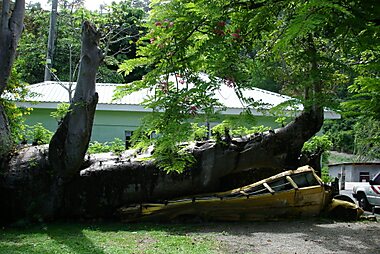
Dominica is one of the safer destinations in the Caribbean for visitors. Petty theft happens occasionally, so keep an eye on valuables at beaches and trailheads, but violent crime targeting tourists is rare. The real risks are environmental: narrow, winding mountain roads call for slow, careful driving, and wet rocks and roots on hiking trails cause the most common injuries. Hurricane season runs from June to November, peaking in August and September, and can disrupt travel with heavy rain and storms.
Health
Tap water is safe to drink in Roseau, Portsmouth, and other main towns. If you fill a bottle from a stream while hiking, treat or filter it first. Pharmacies are found in the larger towns and keep regular business hours, with limited availability in rural areas. The main hospital in Roseau handles routine care, but serious or complex cases are often evacuated to a larger island such as Martinique or Guadeloupe, so travel insurance that covers medical evacuation is worth having. No vaccinations are required for entry from most countries, though routine vaccines and protection against mosquito bites are sensible precautions.
Visas & entry
Most visitors do not need a visa. Citizens of the EU, UK, Canada, the US, and most Commonwealth countries can enter visa-free for stays ranging from a couple of weeks to six months, depending on nationality. Citizens of Haiti and the Dominican Republic are among the few who need a visa arranged in advance. Everyone needs a passport valid for the length of their stay, a return or onward ticket, and proof they can support themselves during the visit.
Visa and entry requirements change frequently. Verify current requirements with the official immigration authority or your country's embassy before travel.
Etiquette
Dominicans value polite, unhurried greetings: say "good morning," "good afternoon," or "good night" rather than a casual hello, and greet people you pass in villages. Dress modestly away from the beach. Swimwear belongs at the coast or a river, not on the street or in shops, and shoulders and knees should be covered inside churches. Ask before photographing people, their homes, or church interiors, and be especially considerate in the Kalinago Territory, where residents live with a lot of tourist attention. Stay on marked trails when hiking and carry out your litter.
Holidays & opening hours
Public holidays bring most shops, banks, and government offices to a stop, though restaurants and hotels generally stay open for visitors. Carnival, in February or March, is the busiest and loudest of them, with parades and street parties island-wide. Shops in Roseau and Portsmouth typically close on Sundays, and many businesses take a slower pace generally, with some closing for an extended lunch.
Getting around
- By minibus: Shared minibuses run along the coastal road between Roseau and Portsmouth and cost a fraction of a taxi fare. Flag one down anywhere along the route and pay in cash as you get out.
- By taxi: Taxis are unmetered, so agree the fare before you get in. Licensed taxi apps with preset fares are available as an alternative to negotiating.
- By car: Renting a car gives the most flexibility for reaching waterfalls, trailheads, and villages away from the coast. A four-wheel-drive is worth the extra cost, since many inland roads are steep and unpaved.
- By ferry: A ferry service connects Roseau to Guadeloupe and Martinique, useful for combining Dominica with a wider Caribbean trip.
Traffic drives on the left, and most rental cars have the steering wheel on the right.
Driving
- Visitor's permit: Your home license alone is not enough. You need a temporary visitor's driving permit, sold for EC$30 (one month) or EC$60 (three months) at car rental agencies, the Traffic Department in Roseau, or the airport. Bring your valid license, passport, and rental papers.
- Rules: Seatbelts are mandatory, hand-held phone use while driving is illegal, and the blood alcohol limit is 0.08%.
- Mountain roads: Many roads are narrow with tight switchbacks and steep grades. Drive slower than you would at home and sound your horn on blind bends.
- Parking: Roseau and Portsmouth have metered and informal street parking, and car parks near popular trailheads fill up early in the day.
- Fuel: Stations are attended rather than self-service and accept both cash and cards.
Food & drink
Dominican cooking blends Kalinago, African, French, and English influences, built around root vegetables, plantains, and whatever the sea or the mountains provide. Meals are simple and filling: breakfast is often bakes and saltfish, fried dough with salted cod, while lunch and dinner center on stewed meat or fish with rice and peas or ground provisions like yam and dasheen. Callaloo, a soup of dasheen leaves and coconut milk, became the official national dish in 2013, replacing mountain chicken, a large native frog that is now a protected species and rarely appears on menus.
Street food is easy to find in Roseau and Portsmouth: fried chicken, fish and chips, and tasty bakes sold from roadside stands make a cheap lunch. Local drinks range from cocoa tea, made from cocoa sticks grown on the island, to bush tea brewed from local herbs, and sorrel around Christmas. Kubuli, the local lager, and rum punch are the standard evening choices. Most everyday eating happens at small local restaurants and roadside stalls rather than formal dining rooms.
Where to explore
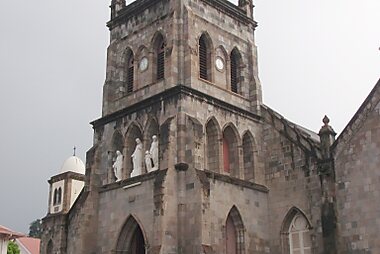
Roseau, the compact capital on the west coast, is most visitors' base. Our Lady of Fair Haven and Botanical Gardens are both within walking distance of the ferry terminal.
Portsmouth is Dominica's second-largest town, set on a wide natural harbor in the north. It is the gateway to the Indian River and Cabrits National Park.
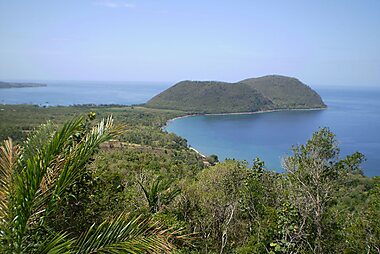
The volcanic interior, much of it protected inside Morne Trois Pitons National Park, holds Dominica's best-known natural sights, including Trafalgar Falls and the Boiling Lake. In the southwest, the fishing village of Scotts Head sits on a narrow spit between the Caribbean Sea and the Atlantic, popular for diving and snorkeling. The Kalinago Territory on the east coast is home to the descendants of the island's original Indigenous people and is the only place of its kind left in the Caribbean.


Dominica – Plan Your Days
Turn the places from this guide into a real itinerary, with smart routing, time estimates, and everything you need for a perfect trip.

