



Iraq
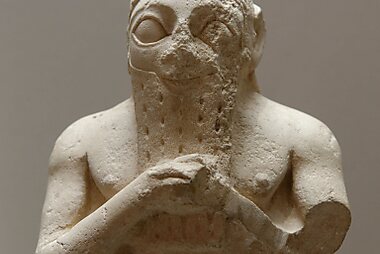
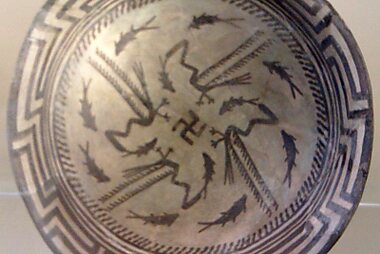
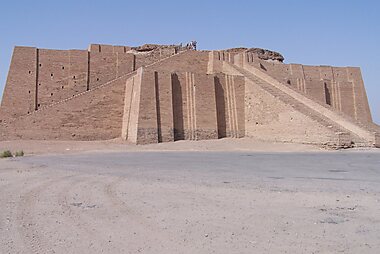
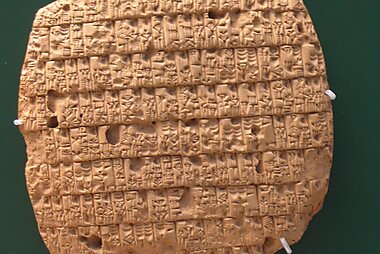
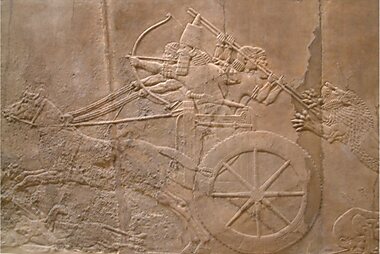
Iraq is where farming, writing and the first cities began. Long before it was a modern country, this land between the Tigris and Euphrates rivers was ancient Mesopotamia, home to Sumerian, Babylonian and Assyrian civilizations. The ancient Ziggurat of Ur still rises from the plains of ancient Sumer, and downriver the ruins of Babylon mark where the Code of Hammurabi was written and where, by legend, the Tower of Babel once rose.
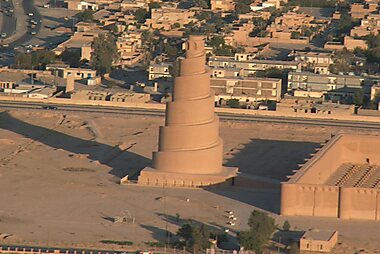
Modern Iraq mixes this deep history with Shia pilgrimage cities, Sunni heartlands and the autonomous Kurdistan Region in the north. Baghdad, Najaf and Karbala draw millions of religious visitors each year, while Erbil and the Kurdish mountains feel calmer and more geared toward casual tourism. Iraq suits travelers who want genuine, off-the-beaten-path history over polished infrastructure, and who are comfortable planning around checkpoints, conservative dress and a still-developing tourism scene.



Iraq – Planning a Trip?
Build your day-by-day itinerary in the Tripomatic app.


Money & payments
Iraq runs on cash. Card acceptance is limited to some hotels and airlines, so budget for cash everywhere else.
- Bring clean, undamaged US dollars in $50 and $100 notes — moneychangers in every city exchange them at better rates than banks or the airport.
- International ATMs exist in Baghdad, Erbil and other large cities, but machines are unreliable and sometimes run dry — don't count on them as your main source of cash.
- Carry enough dinars for several days at a time, especially before heading to smaller towns or the south.
Featured Lists

Tours & Activities
Iraq — Map

 Open the interactive map
 Tipping
Tipping is not part of everyday life in Iraq, so don't feel pressured to calculate a percentage after every service.
10% if not already added to the bill
round up the fare
$5-10 per day
Guides on multi-day tours are the exception — a daily tip is expected and genuinely appreciated. Elsewhere, rounding up a taxi fare or leaving small change is enough.
Electricity
Iraq uses a mix of Type C, D and G sockets at 230 V / 50 Hz — European two-pin, old-style round British three-pin, and modern rectangular British three-pin plugs all turn up, so a universal adapter is the safest bet.
Language
Arabic is spoken almost everywhere, while Kurdish (Sorani) is the everyday language across the Kurdistan Region in the north. Signs and menus are usually in Arabic script only outside tourist hotels, so keep an offline translator handy, or your hotel's address written in Arabic to show taxi drivers.
English is common among younger people in Erbil and in Baghdad's hotels and universities, but far less so in markets, on the street, or in smaller towns and the south — a few local phrases go a long way.
Staying connected
Local SIM cards need your passport to register — pick one up at the airport or any phone shop; Asiacell, Zain and Korek all sell inexpensive data plans, and eSIMs are available too if you'd rather arrive already connected.
Iraq periodically restricts internet and social media nationwide for a few hours during school exam periods, usually in June. If your trip overlaps, expect messaging apps to be unreliable on exam days and keep offline maps and translations as backup.
Safety & emergencies
Most visitors travel through Iraqi Kurdistan, Baghdad, the southern shrine cities and Basra without incident. The biggest everyday risks are traffic accidents and extreme summer heat, not violence.
- Anbar province, rural areas near Kirkuk, and the country's western and northwestern border regions still carry residual security risk — visit only with a local fixer or an organized tour.
- Expect frequent checkpoints between cities. Keep your passport and visa accessible, dress modestly, and never photograph soldiers, checkpoints, bridges or government buildings.
- Petty theft and overcharging happen around airports and busy tourist sites — agree on taxi fares before getting in.
Health
Tap water is not safe to drink — stick to sealed bottled water, which is sold everywhere and inexpensive. Ice in reputable hotels and restaurants is generally made from purified water.
Pharmacies are widespread in cities and can handle most minor ailments; bring prescription medication in its original packaging. Make sure routine vaccinations are up to date, and ask a travel clinic about hepatitis A and typhoid before you go. Comprehensive travel insurance that covers medical evacuation is strongly advised, since specialist care is concentrated in Baghdad and Erbil.
Visas & entry
Iraq runs two separate entry systems that don't automatically recognize each other.
- Federal Iraq: around 37 nationalities, including EU countries, the UK, US, Canada and Australia, can apply for an e-visa online (about $160, typically a 30-day stay). This visa covers the whole country, Kurdistan included.
- Kurdistan Region: many nationalities can get a visa on arrival at Erbil or Sulaymaniyah airport (roughly 100,000 IQD, 30 days), but it's only valid inside the Kurdistan Region — Duhok, Erbil and Sulaymaniyah governorates. There's no crossing point that converts one visa into the other.
Decide your route before applying: seeing both Kurdistan and federal Iraq (Baghdad, Najaf, Basra and the south) requires the federal e-visa, not the Kurdistan visa on arrival. A passport valid for at least six months with a blank page, and proof of onward travel, are commonly requested at entry.
Visa and entry requirements change frequently. Verify current requirements with the official immigration authority or your country's embassy before travel.
Etiquette
Dress modestly everywhere: long sleeves and trousers or long skirts for women, long trousers for men — shorts and sleeveless tops draw unwanted attention outside hotel pools. Bring a headscarf for the shrines in Najaf and Karbala, where women are asked to cover their hair and wear an abaya (usually available to borrow at the entrance).
- Greet, eat and pass food with your right hand.
- Remove your shoes before entering a home, mosque or shrine.
- Always ask before photographing people, and never photograph military or religious officials without clear permission.
- Bargaining is normal in markets and with unmetered taxis, but fixed-price shops and restaurants don't expect it.
- During Ramadan, avoid eating, drinking or smoking in public during daylight hours out of respect for those fasting.
Holidays & opening hours
Friday is the main weekly holiday, when many shops and offices close or open only in the evening; government offices also close Saturday. Public holidays can shut banks and official sites with little notice, so check ahead if your visit overlaps one.
During Ramadan, working hours shorten and many restaurants open only after sunset for iftar — plan meals around this if you're traveling then.
Getting around
- By air: Domestic flights connect Baghdad, Erbil, Najaf, Basra and Sulaymaniyah — worth taking to skip the long overland distances between north and south.
- By taxi: The main way to get around any city. Agree the fare before getting in, or use a ride-hailing app where available (strongest coverage in Baghdad and Erbil).
- By intercity car: Shared and private taxis link most cities and are faster and more flexible than the limited bus network; hiring a car with a driver is the common way to reach sites outside town.
- By train: A limited passenger service connects Baghdad and Basra, mainly used by locals rather than a practical tourist option.
Driving
- Rental cars: Available in Baghdad and Erbil, though many visitors prefer hiring a car with a driver — a practical way to handle checkpoints and unsigned rural roads.
- Checkpoints: Expect frequent checkpoints between cities and around city entrances. Slow down, keep your passport and visa within reach, and never photograph a checkpoint or its personnel.
- Alcohol: Zero tolerance for driving after drinking any amount.
- Fuel: Stations are attended, not self-service, and mostly cash-only — carry dinars for fill-ups outside major cities.
- Parking: Informal and largely unregulated in most cities; a guard or valet at hotels and malls is common.
Food & drink
Iraqi meals build around rice, grilled meat and slow-cooked stews. Breakfast can be a leisurely spread of yogurt, cheese, boiled eggs, flatbread and sweet, cardamom-scented tea, or the more indulgent kahi, a flaky pastry served with clotted cream and date syrup. Lunch is usually the main meal of the day, centered on rice with a marag — a stew of okra, beans or lentils — while dinner tends to be lighter, often leftovers or a simple sandwich.
Masgouf, river carp butterflied and grilled upright beside an open wood fire, is considered the national dish and is worth seeking out along Baghdad's riverfront. Other dishes worth trying include quzi, slow-roasted lamb over spiced rice served at celebrations, and dolma, vegetables and vine leaves stuffed with rice and meat. Street food is cheap and filling — falafel and shawarma sandwiches, often topped with amba, a tangy fermented-mango sauce, are sold everywhere.
Tea, not coffee, is the constant of Iraqi life: strong black chai served in small tulip-shaped glasses, drunk throughout the day at home, at work and in dedicated teahouses. Alcohol is restricted nationally and unavailable in the holy cities, though beer and wine are sold openly in Kurdistan and available more discreetly in Baghdad. Meals are typically eaten with the right hand, portions are generous, and turning down food or tea from a host is considered impolite.
Where to explore
Baghdad is Iraq's sprawling capital, home to the National Museum, the book stalls of Mutanabbi Street and the riverside masgouf restaurants of Abu Nuwas Street.
The Shia shrine cities of Najaf and Karbala hold some of Shia Islam's holiest sites and welcome millions of pilgrims a year; both are safe, well organized, and impressive even for visitors of other faiths, though modest dress is required.
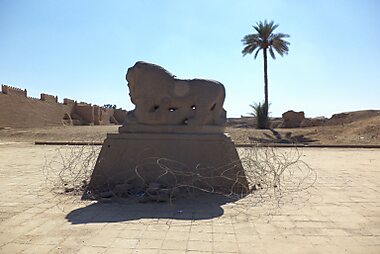
In the south, Basra sits on the Shatt al-Arab waterway near the Mesopotamian Marshes, while the ruins of Babylon lie a short trip from Baghdad — the legendary capital of Hammurabi and Nebuchadnezzar II, and a UNESCO World Heritage Site.
The autonomous Kurdistan Region in the north is the country's most visited area, with its own visa on arrival for many nationalities. Erbil is built around one of the world's oldest continuously inhabited citadels, Sulaymaniyah has a livelier arts and bazaar scene, and Duhok is the gateway to Kurdistan's mountains and waterfalls. Further south, Mosul — within Nineveh Governorate — is slowly reopening to visitors as its historic Old City and ancient ruins are rebuilt after the war against ISIS.
Iraq – Plan Your Trip
Pick the places you want to see and Tripomatic turns them into a day-by-day route, with smart routing, time estimates, and everything you need for a perfect trip.


Related destinations


Data: © OpenStreetMap contributors, Wikidata, Wikipedia, Tripomatic, Official websites, geoBoundaries (CC BY 4.0). Tours by GetYourGuide. We earn commission from bookings. Travel guide generated with AI.