

Kosovo
Kosovo is a small, landlocked country in the western Balkans that unilaterally declared independence from Serbia in 2008. It packs a wide range of history into a compact area: Ottoman-era bazaars and mosques sit a short drive from medieval Serbian Orthodox monasteries, and the rugged Accursed Mountains rise along the western border. Most of the population is ethnic Albanian, with Serb communities concentrated in the north and around several protected monasteries.
The Battle of Kosovo in 1389, fought near present-day Pristina, remains the defining event in national memory and is still referenced in songs, street names, and public monuments today. Modern independence has its own symbol in Newborn monument, unveiled the day statehood was declared. Kosovo suits travelers who enjoy history, mountain scenery, and cities that feel unpolished by mass tourism, and it remains one of the cheapest destinations in Europe.



Kosovo – Planning a Trip?
Build your day-by-day itinerary in the Tripomatic app.


Money & payments
Kosovo adopted this currency unilaterally and is not an EU member or eurozone participant, so it has no formal say over monetary policy. ATMs are common in every town.
Card acceptance is uneven: hotels, larger restaurants, and supermarkets in Pristina and Prizren generally take cards, but many bakeries, market stalls, small guesthouses, and rural businesses are cash-only. Carry small notes and coins for daily spending outside the main cities.
Featured Lists


Historic Landmarks
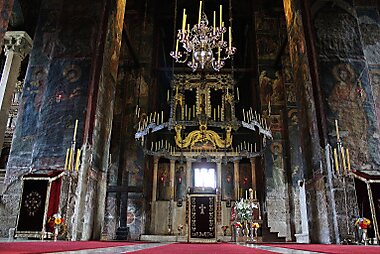
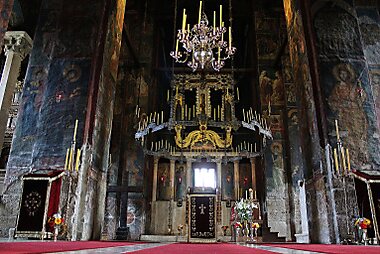
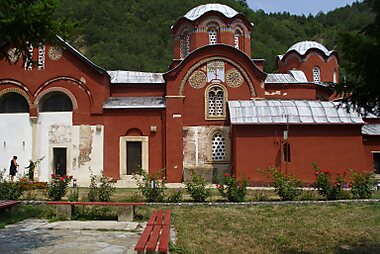
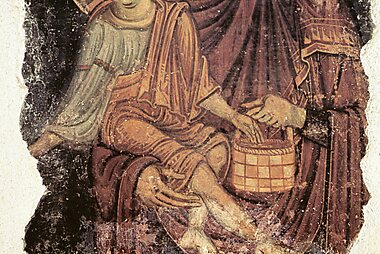
This collection spans centuries of Kosovo's history, featuring four UNESCO-listed medieval Serbian Orthodox monasteries renowned for their 14th-century frescoes and Serbo-Byzantine architecture. It also includes significant Ottoman-era landmarks like the 15th-century Imperial Mosque and the multi-arched Terzijski Bridge. Strategic hilltop fortifications, including the Prizren and Zvečan fortresses, offer insight into the region's defensive past, while the contemporary Newborn Monument marks the territory's modern declaration of independence.
11 places
Tours & Activities
Kosovo — Map

 Open the interactive map
 Tipping
round up or ~10%
round up
1-2 EUR for porters/housekeeping
5-10 EUR per day
Tipping is appreciated but not deeply ingrained. Rounding up the bill or adding around 10% at a restaurant is a nice gesture when the service was good, but nobody will chase you down for it. It is not customary at bars or cafés, where a coffee is often nursed for an hour with no expectation of a tip. Taxi drivers are usually tipped by rounding up the fare, and tour guides on multi-day trips are commonly given a discretionary daily amount.
Electricity
Kosovo uses Type C and Type F plugs at 230 V / 50 Hz, the same as most of continental Europe, so travelers from the UK, Ireland, and North America will need an adapter.
Language
Albanian is the majority language, and Serbian is the other official language nationally, spoken mainly in Serb-majority areas such as northern Mitrovica. English is widely understood among younger people and in tourism-facing businesses in Pristina and Prizren, and many older Kosovars also speak German or Italian from years spent working abroad. Albanian is written in the Latin alphabet nationwide; Serbian is officially written in Cyrillic, though Latin Serbian and bilingual signage are also common in mixed areas.
Staying connected
Prepaid SIM cards from the two main operators, Vala and IPKO, are sold in shops and kiosks across the country. International eSIM plans covering Kosovo are also widely available and activate before you land. Coverage is solid in cities and along main roads, with weaker signal in the mountains.
Safety & emergencies
Kosovo is generally safe for visitors, with low rates of violent crime. The most common issues tourists encounter are pickpocketing in crowded markets and minor traffic hazards from local driving habits — pay attention when crossing streets, as drivers do not always yield to pedestrians. The area around northern Mitrovica has seen periodic political and ethnic tensions; check current travel advisories before visiting that specific area, though the rest of the country is unaffected.
Health
Tap water is treated in cities, but infrastructure varies and visitors are generally advised to drink bottled water as a precaution, especially outside major towns. Pharmacies (apotekë), marked with a green cross, are common in every town and stock basic medication over the counter; pharmacists in cities often speak some English. No special vaccinations are required beyond ensuring routine immunizations are up to date — check with a travel health provider before your trip if you have specific concerns.
Visas & entry
Citizens of the EU/Schengen area, the UK, the US, Canada, Australia, Japan, and many other countries can enter Kosovo visa-free for up to 90 days within a 180-day period, with a passport valid for at least three months beyond departure. Kosovo is not part of the Schengen area, so a Schengen visa alone does not grant entry, and time spent in Kosovo does not count against the Schengen 90/180-day limit. Travelers from countries outside Kosovo's visa-free list need a visa arranged in advance through a Kosovo embassy or consulate.
If you plan to visit both Kosovo and Serbia, enter Kosovo from Serbia first and exit the same way — Serbia does not recognize crossings from Albania or North Macedonia into Kosovo as valid entries, which can cause problems re-entering Serbia.
Visa and entry requirements change frequently. Verify current requirements with the official immigration authority or your country's embassy before travel.
Etiquette
Dress modestly when visiting religious sites: cover shoulders and knees at mosques and Orthodox monasteries such as Visoki Dečani and Patriarchate of Peć. Because of its history, Visoki Dečani still has a permanent NATO-led (KFOR) guard, and visitors should expect an ID check and a bag search at the gate; other Serbian Orthodox sites are protected by ordinary Kosovo Police.
Hospitality runs deep in Kosovar culture, and being invited for coffee is a genuine social gesture rather than a formality — expect the visit to last well over an hour, since coffee here is sipped slowly, not rushed. It is polite to accept, or to graciously decline rather than cut a visit short. Ask before photographing people, particularly in smaller towns and around religious sites.
Holidays & opening hours
Public holidays have a modest effect on daily life: banks and government offices close, but most shops, bakeries, and supermarkets stay open. Unlike in much of Western Europe, shops and markets in Kosovo generally stay open every day of the week, including Sundays, though some family-run businesses close for major religious holidays within their own community.
Getting around
- By bus: Frequent, inexpensive intercity buses connect every major town; Pristina's main bus station is the central hub. Tickets are bought at the station rather than online, and departures are frequent enough that advance booking is rarely necessary.
- By train: A limited domestic passenger rail network connects a handful of towns, including Peja, but services are slow and infrequent, making buses the more practical choice for most visitors.
- By taxi and ride-hailing: Taxis are widely available and inexpensive; agree on a price or confirm the meter is running before setting off. Bolt operates in Pristina but has limited or no coverage in smaller towns.
- By air: Kosovo has one international airport, near Pristina; given the country's small size, there are no domestic flights.
Driving
- Speed limits: covered by the widget below.
- Key rules: Kosovo enforces a near-zero-tolerance blood alcohol limit for drivers. Headlamp converters, a warning triangle, and a reflective vest are required equipment, and motorcyclists must wear a helmet. Children under 12 must use an appropriate child seat and cannot sit in the front.
- Tolls: No vignette is used. The R7 and R6 highways charge tolls at staffed plazas per journey segment, payable in EUR by cash or card — budget a few euros for a cross-country trip.
- Parking: Metered street parking is common in Pristina's center, usually paid by SMS or at a nearby machine; elsewhere, parking is informal and often free.
- Fuel: Both self-service and attended stations are common, and cards are widely accepted at the pump. Petrol is sold as Benzinë and diesel as Naftë or Dizel.
- Electric vehicles: Charging infrastructure is still limited outside Pristina, so plan ahead if driving an EV outside the capital.
Food & drink
Kosovar food draws on Balkan and Ottoman traditions: grilled meats, flaky pastries, and dairy feature heavily. Breakfast is often byrek, a flaky filo pastry filled with cheese or spinach, picked up from a bakery on the way to work. Lunch and dinner center on grilled dishes like qebapa (grilled minced-meat rolls) served with flatbread, onion, and kajmak (clotted cream), or slow-baked casseroles. Flija, a tall pancake baked in thin layers under a metal lid covered in embers, is the closest thing Kosovo has to a national dish and appears at family gatherings and holidays.
Café culture is outsized for the country's size: a macchiato is the default coffee order, and Kosovars can spend an hour or more over a single small cup while catching up with friends. Raki, a strong grape or plum brandy, is the traditional spirit for toasting and hospitality, while boza, a thick, mildly fermented grain drink, is a popular sweet treat in winter. Meals are usually eaten at a relaxed pace in family-run restaurants or informal grill houses rather than rushed.
Where to explore
Pristina, the capital, is the country's largest city and its cultural center, home to Newborn monument and dozens of small cafés.
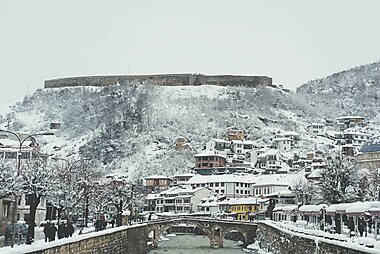
In the south, Prizren is Kosovo's best-preserved Ottoman-era town, with a historic old quarter, Fortress of Prizren overlooking the river, and a cluster of centuries-old mosques and churches. Nearby Gjakova has its own well-preserved old bazaar and a slower, small-town pace.
To the west, Peja is the gateway to the Accursed Mountains, the Rugova gorge, and Patriarchate of Peć. Nearby Deçan is home to Visoki Dečani, one of the largest medieval monuments in the Balkans.
In the north, Mitrovica is a historically divided city split by the Ibar river. It is worth visiting for those interested in Kosovo's recent history, but it is best approached with some awareness of the area's ongoing sensitivities.
Kosovo – Plan Your Trip
Pick the places you want to see and Tripomatic turns them into a day-by-day route, with smart routing, time estimates, and everything you need for a perfect trip.

Related destinations


Data: © OpenStreetMap contributors, Wikidata, Wikipedia, Tripomatic, Official websites, geoBoundaries (CC BY 4.0). Tours by GetYourGuide. We earn commission from bookings. Travel guide generated with AI.