



Puerto Rico
Puerto Rico is an island in the Caribbean. It is an unincorporated territory of the United States, with the status of a commonwealth. People born there are US citizens. Spanish and English are the official languages, and Spanish is used most.
The main island has a colonial old town, forests, caves and long beaches. Two smaller islands, Vieques and Culebra, lie off the east coast and are known for quiet beaches. Puerto Rico suits first-time visitors who want history, nature and beach time in one trip. A rental car helps outside the San Juan area.
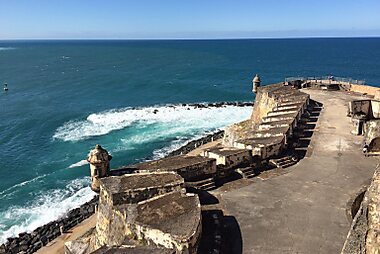
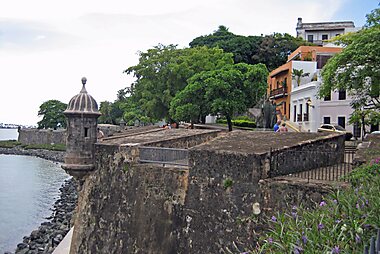
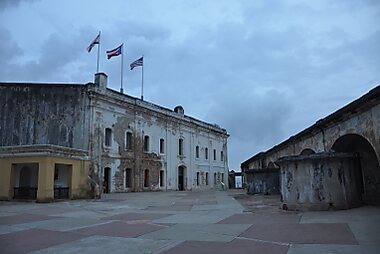
Most first trips start in Old San Juan, a walled district founded in 1521. Two forts stand there: Castillo San Felipe del Morro and Castillo San Cristóbal. The forts and the old town are part of a UNESCO World Heritage Site. The district itself is Viejo San Juan.



Puerto Rico – Planning a Trip?
Build your day-by-day itinerary in the Tripomatic app.


Money & payments
Puerto Rico uses the US dollar. Visitors from the US mainland do not need to change money.
Featured Lists

Puerto Rico's Absolute Essentials
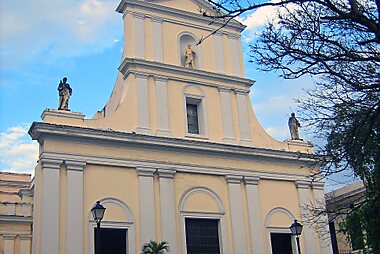
Puerto Rico’s historical and natural landscape centers on the 16th-century fortifications of Old San Juan, including the massive San Felipe del Morro and the colorful La Fortaleza governor's residence. Beyond the colonial cobblestones and the San Juan Bautista Cathedral, the island features unique geological sites like Arecibo’s Cueva Ventana and the world's brightest bioluminescent waters at Mosquito Bay. Coastal highlights range from the white sands of Culebra’s Flamenco Beach to the active Casa Bacardi distillery, while the Santa María Magdalena de Pazzis Cemetery offers a distinct perspective on the island's heritage.
14 places


Puerto Rico's Heritage Sites
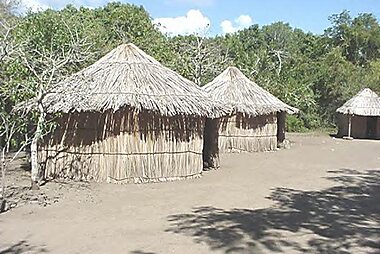
Puerto Rico’s heritage spans from pre-Columbian Taino carvings at La Piedra Escrita to the massive 16th-century Spanish fortifications of Old San Juan. This collection features UNESCO-listed citadels like El Morro and San Cristóbal alongside 19th-century engineering marvels such as the Carretera Central’s brick-vault bridges. Explore diverse landmarks including the neo-classical Serrallés Castle, historic lighthouses at Cape San Juan and Caja de Muertos, and the industrial ruins of the Hacienda La Esperanza sugar plantation.
37 places
Scenic Viewpoints and Lighthouses
Puerto Rico’s varied terrain is showcased through these historic lighthouses and elevated observation points. The list includes 19th-century Spanish maritime structures at Cabo Rojo and Fajardo, alongside stone towers in El Yunque National Forest and Maricao State Forest. These sites provide strategic views of the Atlantic and Caribbean coastlines, the pink salt flats of Cabo Rojo, and the highest summits of the Cordillera Central, such as Cerro de Punta. Many locations are accessible via the Ruta Panorámica or within protected state forests.
14 places
Parks and Natural Wonders
Puerto Rico’s landscape features limestone caves like Cueva Ventana, offering panoramic valley views, and the archaeological petroglyphs of La Cueva del Indio. The island’s interior is home to numerous waterfalls, including the 85-foot drop of La Coca in El Yunque and the tiered pools of Las Delicias. Historic sites like the UNESCO-listed La Fortaleza complement natural areas such as the Sun Bay nature reserve and the adventure-focused Toro Verde, which contains one of the world's longest zip lines.
15 places

Tours & Activities
Puerto Rico — Map

 Open the interactive map
 Tipping
Tipping works as it does on the US mainland. Restaurant staff rely on tips. Tips are less common in small local eateries and bars, and not usual in fast food. Check your bill first, because some places add a service charge.
15–20 %; not usual in fast food or self-serve buffets
less common in small-town bars and local cocinas
10–15 %
about $1 per bag for porters; $1–2 per day for housekeeping in upscale hotels
Electricity
Outlets are the same as on the US mainland. Visitors from Europe and many other regions need an adapter, and some devices also need a voltage converter.
Language
Spanish and English are both official. Spanish is used in daily life, and English is more common in tourist areas. A few Spanish words help everywhere.
Safety & emergencies
Puerto Rico is generally safe for tourists. Use common sense. Leave valuables in a hotel safe, lock your rental car, and do not leave things in plain sight. Be careful on isolated streets and when alone at night.
- Hurricanes: The hurricane season runs from 1 June to 30 November. Check the forecast before you book and before you travel.
- Sea and beaches: Conditions can change quickly. Follow local flags and signs, and swim where others swim.
Health
Tap water is safe to drink.
Dengue is spread by mosquitoes and is present in Puerto Rico. Use insect repellent. Wear long sleeves and long trousers at dawn and dusk, when mosquitoes bite most. Check the CDC traveler page for Puerto Rico for current advice before you go.
If you have a health condition, ask your doctor before you travel.
Visas & entry
Puerto Rico is part of the United States for immigration purposes. Visitors from other countries have the same passport and visa rules as for the US mainland.
- US citizens and permanent residents: A passport is not needed to travel to Puerto Rico.
- Visa waiver countries: Travelers from Visa Waiver Program countries can stay up to 90 days with an approved ESTA.
- Other nationalities: If you need a US visa, you need it for Puerto Rico too.
- Flights to the mainland: You need valid ID when you fly to the US mainland. REAL ID rules apply, so check whether your state ID is accepted. Otherwise you may need a passport.
Official tourism board: Discover Puerto Rico
Visa and entry requirements change frequently. Verify current requirements with the official immigration authority or your country's embassy before travel.
Etiquette
- Greetings: Be friendly but a little formal when you meet people for the first time.
- Spanish: Try a few words of Spanish. It is appreciated.
- Churches: Dress conservatively. Do not wear shorts or show bare shoulders.
- Restaurants: Dress smartly at upscale restaurants and casinos.
Holidays & opening hours
Puerto Rico observes US federal holidays and several local ones, such as Three Kings Day and Emancipation Day. Check opening hours if you travel on a holiday.
Getting around
- By car: A rental car is the easiest way to see places outside the San Juan area. The main international rental companies operate on the island. See the Driving section for more.
- By ferry: Ferries to Vieques and Culebra leave from Ceiba on the east coast. The service is run by Hornblower as "Puerto Rico Ferry". Check the current schedule and book ahead for weekends and holidays. Buy tickets on Puerto Rico Ferry.
- By air: Short flights also serve Vieques and Culebra. Check current schedules.
- Old San Juan: The old town is small and walkable.
Driving
- Rental cars: All major US rental companies operate on the island.
- Tolls: Most toll roads take electronic payment only (AutoExpreso). Ask your rental company how tolls are charged before you drive.
- Vieques and Culebra: Plan to rent a car on the island itself. Before you bring a rental car on the ferry, check the rules with your rental company and the ferry operator.
Food & drink
Dinner almost always includes meat, rice and beans. Salted codfish, called bacalao, is eaten often. Fried snacks called frituras are popular, such as alcapurrias and codfish fritters. Plantains are common, as mofongo or as twice-fried tostones.
Christmas foods include pasteles and rice with pigeon peas. Coquito is a spiced coconut drink served at holidays. The piña colada is the best-known cocktail. Puerto Rican coffee and rum are local products.
Where to explore
These are places many first-time visitors know. Each is a separate destination, and most are a day trip or overnight from San Juan.
San Juan and the north
- San Juan is the capital. It holds Old San Juan and city beaches.
- El Yunque is a tropical rainforest in the northeast. Before you go, check the US Forest Service page for current access, parking and any entry reservation rules.
- Arecibo, on the north coast, is where the famous Arecibo Radio Telescope fell in December 2020. The visitor center reopened in 2022. Check the current visiting rules before you go.
- The Río Camuy cave park is inland in the northwest.
The south
- Ponce is on the south coast and is nicknamed "the Pearl of the South". It has a historic center and the Museo de Arte de Ponce. The Tibes ceremonial center, Centro Ceremonial Indígena de Tibes, is an archaeological site nearby.
The southwest and west
- Cabo Rojo, in the southwest, has salt flats, beaches and a lighthouse, Cabo Rojo Lighthouse.
- La Parguera, near Lajas on the south coast, is one of three year-round bioluminescent bays.
The islands and the east
- Vieques is a small island off the east coast. It has a bioluminescent bay, Mosquito Bay. The beach Mosquito Bay Beach is near it.
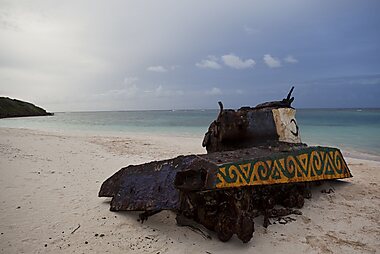
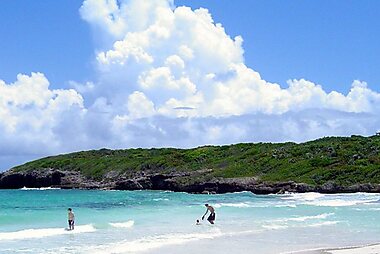
- Culebra is a smaller island east of the main island. It has Flamenco, a long white beach.
- Laguna Grande, near Fajardo, is another bioluminescent bay.


Puerto Rico – Add to Your Trip
Create a detailed travel itinerary with smart routing, time estimates, and everything you need for a perfect trip.


Related destinations
Data: © OpenStreetMap contributors, Wikidata, Wikipedia, Tripomatic, Official websites, geoBoundaries (CC BY 4.0). Tours by GetYourGuide. We earn commission from bookings. Travel guide generated with AI.