


Bonn
Bonn is a relaxed city on the Rhine. It was the capital of West Germany from 1949 to 1990, and it is the birthplace of Ludwig van Beethoven. Today it is a university city with a compact, green centre.
Bonn suits a short city break of one to three nights. It combines music, post-war political history and easy walks. The Rhine path, parks and the nearby Siebengebirge hills make it a good base for outdoor days. Cologne is close by if you want a bigger city.

Bonn – Tu prépares un voyage ?
Crée ton itinéraire jour par jour dans l'application Tripomatic.


Quand partir
Spring and early autumn are the best times to visit. April brings the cherry blossom in the old town. Summers are warm with some rain, and winters are grey and cold.
Carnival is the biggest annual event. It peaks in the days before Ash Wednesday, with street parties and parades. Book rooms early if you visit then.
Meilleure période pour visiter: juin, septembre
Sites incontournables
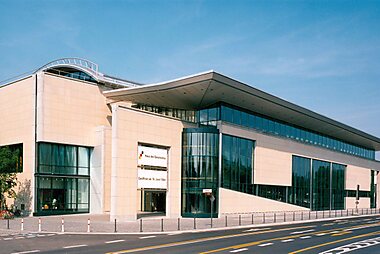
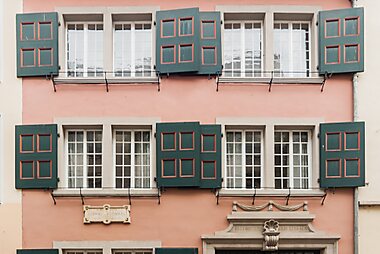
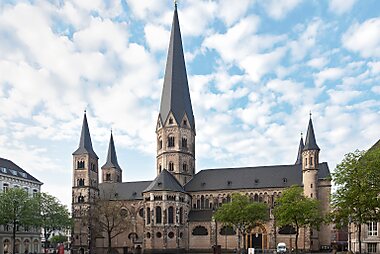
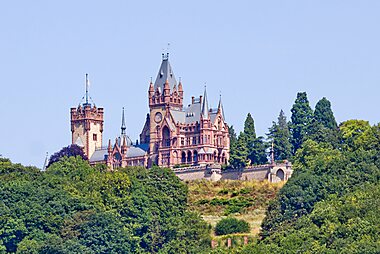
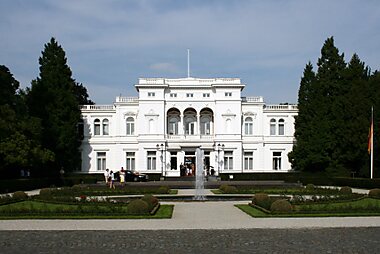
- Beethoven House is the house where Beethoven was born in 1770. It holds the largest Beethoven collection in the world, including letters, manuscripts and his last piano.
- Bonner Münster is one of Germany's oldest churches. Its cloister is a quiet place to rest in the old town.
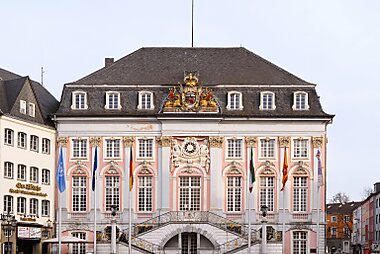
- Altes Rathaus is a pink rococo building on the market square. It is still used for official receptions.
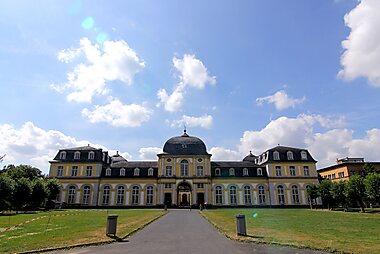
- Poppelsdorfer Schloss is a former palace of the prince-electors. It stands at the end of a long avenue of chestnut trees, next to the botanical garden.
- Haus der Geschichte der Bundesrepublik Deutschland tells the story of Germany since 1945. It is the best museum in Bonn for understanding the capital years.
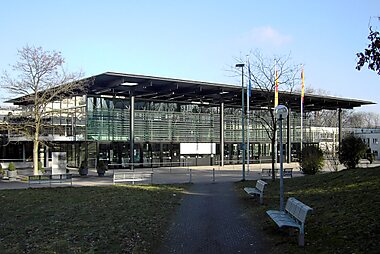
- Ehemaliger Deutscher Bundestag is the former parliament complex. It shows where West German politics took place.
- Drachenfels is a hill above the Rhine in the Siebengebirge, about 30 min from Bonn by Stadtbahn. A cog railway and walking paths lead to the top, and the view over the river is wide.
- Schloß Drachenburg is a neo-Gothic castle built in the 1880s on the slope below the Drachenfels, about 30 min from Bonn by Stadtbahn. The rooms and the terrace are open to visitors.
Listes recommandées


Bonn's Historic Heritage
Bonn's architectural history spans from medieval fortifications like the 13th-century Star Gate to the Baroque elegance of Poppelsdorf Palace. As the former capital of West Germany, the city preserves significant political landmarks including the Bundeshaus and Villa Hammerschmidt. This collection highlights ecclesiastical history through the Romanesque Munster Basilica and cultural heritage at the Beethoven House, alongside various 19th-century villas and historic administrative buildings that define the city's urban character.
18 lieux


Expériences à vivre
- Cherry blossom in April: The streets of the old town turn white and pink for a short time. It is a popular photo season.
- Beethovenfest: This classical music festival fills the city with concerts in late summer.
- Carnival: Bonn is a centre of Rhenish carnival. On Weiberfastnacht, the Thursday before Lent, women in Beuel take over the town hall.
- Christmas market: The market on the market square and around the Minster opens in late November.
- Rhine cycling or river boat: Follow the flat Rhine path, or take a boat upriver to Königswinter in summer.
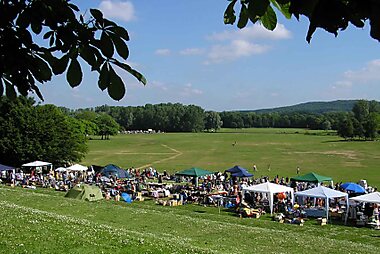
- Picnic in Freizeitpark Rheinaue: Locals use this large park by the Rhine for walks and barbecues. The nearby Japanischer Garten is a calm corner.
Visites et activités
Bonn — Carte

 Ouvrir la carte interactive
Excursions à la journée
Several good trips are easy by train, tram or boat. They are listed from closest to farthest.
- Königswinter and the Drachenfels: about 30 min by Stadtbahn. Take the cog railway or walk up to the castle and viewpoint. The hills around them are Siebengebirge, with forest trails and Rhine views.
- Brühl: about 30 min by train. Its baroque Augustusburg palace is a UNESCO World Heritage Site.
- Cologne: about 30 min by train. Cologne has the famous cathedral and many museums.
- Remagen: about 30 min. It has the Bridge at Remagen Peace Museum and a Rhine promenade.
- Dusseldorf: about 1 hour by train. It has a large old town and a modern riverside.
- Aachen: about 1.5 hours by train, usually with a change. It has the cathedral of Charlemagne.
Où s'aventurer
Bonn sits in the Rhine region of North Rhine-Westphalia. These nearby destinations are good next stops.
- Big cities on the Rhine: Cologne and Dusseldorf.
- Hills and forest across the river: Siebengebirge.
- Green hills to the east: Bergisches Land.
S'y rendre
- By air: Cologne Bonn Airport (CGN) is the closest airport, about 15 km from Bonn. A direct bus runs to Bonn Hauptbahnhof in about 30 min. Frankfurt (FRA) and Düsseldorf (DUS) are the main alternatives for long-haul flights. Cologne Bonn Airport
- By train: Bonn Hauptbahnhof has regional trains to Cologne (about 30 min) and Koblenz. Fast ICE trains stop at nearby Siegburg/Bonn station, with a short Stadtbahn ride into Bonn. Deutsche Bahn
- By bus: Long-distance coaches use the stop at Bonn Hauptbahnhof for links to other German cities.
Se déplacer
- Public transit: Bonn has trams (Stadtbahn) and buses, run by SWB and the VRS regional network. Buy tickets in the VRS or eezy.nrw app, at machines, or cashless on buses. VRS regional transit SWB Bus und Bahn
- Regional lines: Stadtbahn lines also run to Königswinter and Bad Honnef, and to Cologne.
- On foot and by bike: The old town, the Museum Mile and the Rhine path are easy to walk. The land is flat, so cycling is very practical.
Conduite
- Is a car worth it?: Not for a city stay. The centre is compact and the tram network is good. A car helps only for the countryside outside Bonn.
- Parking: Use the car parks near the edge of the old town. Parking on the street in the centre is limited.
Gastronomie
Rhineland dishes are hearty. Look for Himmel und Äd (black pudding with apple and potato) and Rheinischer Sauerbraten. Local beer is usually Kölsch, served in small glasses.
The old town around the market square has many cafés and restaurants. The Kneipen in the Altstadt and the Südstadt district are good for a casual evening meal.
Sécurité et santé
Bonn is very safe for visitors. Petty theft is the main risk.
- Watch your bag at the main station and in busy shopping streets.
- Pickpockets are more active during Carnival and at the Christmas market.
- Tap water is safe to drink.
Histoire
Bonn began as a Roman military camp on the Rhine. Its Minster church grew in the early Middle Ages, and the prince-electors of Cologne later made Bonn their residence. Poppelsdorfer Schloss and the castle ruin at Godesburg date from that era.
The University of Bonn was founded in 1818 and still shapes the city. Beethoven was born here in 1770 and left for Vienna as a young man.
After 1949, Bonn became the capital of West Germany. The government buildings by the river, such as Villa Hammerschmidt and Ehemaliger Deutscher Bundestag, remain from that period. After German reunification, the government moved to Berlin in 1999. Bonn kept the title Federal City and now hosts many UN offices.
Infos pays
Quick practical facts for Germany at a glance:
- Devise
- euro EUR € · Paiements par carte · Couramment acceptées
- Numéros d'urgence
- 112 Ambulance · Pompiers
- Électricité
- 230 V · 50 HzType C / Type F
- Langues
- allemand
- Eau du robinet
- Potable
- Sens de conduite
- À droite
- Indicatif téléphonique
- +49


Bonn – Planifie tes journées
Transforme les lieux de ce guide en un véritable itinéraire, avec des itinéraires intelligents, des estimations de temps et tout ce dont tu as besoin pour un voyage parfait.


Destinations associées


Data: © OpenStreetMap contributors, Wikidata, Wikipedia, Tripomatic, Official websites. Tours by GetYourGuide. We earn commission from bookings. Travel guide generated with AI.
Planifie ton voyage avec Tripomatic
- Planification avec l'IAObtiens une journée prête à l'emploi en un geste, laisse l'IA répartir ta liste de souhaits sur ton voyage ou planifie tout en discutant.
- Alertes de voyageAvis officiels, météo extrême, grèves et risques naturels pour les lieux de chaque jour de ton voyage.
- Jours fériés et événementsConsulte les jours fériés, festivals et fermetures durant ton voyage, ainsi que leur impact sur tes projets.
- Estimation des coûtsDétails des coûts de voyage générés par l'IA pour savoir quel budget prévoir avant de partir.
- Visites et billetsRéserve des visites, des billets coupe-file et des activités directement dans ton planning.