


Charlottetown
Charlottetown is the capital of Prince Edward Island. It sits on a harbour on the island's south coast. The old centre is small, low-rise and easy to walk.
The city is known as the birthplace of Canadian Confederation. Visitors come for the historic buildings, the waterfront and fresh seafood. It is also the usual base for beaches and the Anne of Green Gables sites on the north shore. Two to three days is enough for the city itself.

Charlottetown – Tu prépares un voyage ?
Crée ton itinéraire jour par jour dans l'application Tripomatic.


Quand partir
June to September is the best time. Days are warm, the sea is swimmable in July and August, and summer theatre and festivals run. Many seasonal attractions, tours and restaurants close from October to May.
Autumn is mild and colourful but quieter. Winters are long, cold and snowy.
Meilleure période pour visiter: juillet, août
Sites incontournables
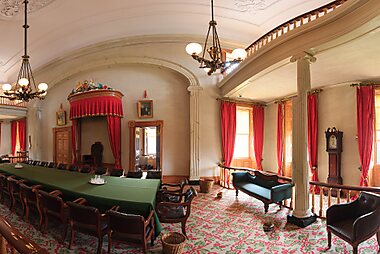


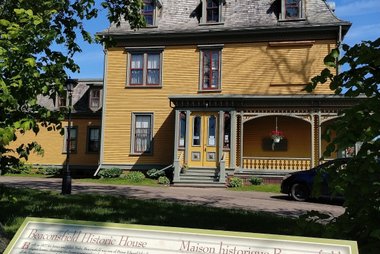

- Province House is where the 1864 Charlottetown Conference met. It is a National Historic Site and the seat of the provincial legislature. The building has been closed for conservation work, so check the status on Parks Canada before you go.
- Confederation Centre of the Arts is the main arts centre. It was built as a memorial to the Confederation talks and has theatres and an art gallery.
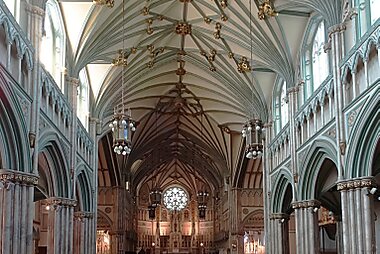
- St. Dunstan's Basilica is the large Catholic church downtown. It has a Gothic Revival design and twin spires.
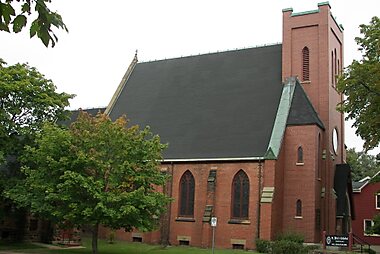
- St. Peter's Cathedral is a small Anglican cathedral in a quiet churchyard near Province House.
- Victoria Park is a waterfront park on the harbour. It has shaded paths, views over the water and the old cannons of Prince Edward Battery.
- Victoria Row and Great George Street are the best streets for a walk. Victoria Row is a pedestrian street with cafés and shops. Great George Street runs down to the harbour at Peakes Quay.
Listes recommandées


Charlottetown: Editor's Choice
This curated selection highlights Charlottetown's architectural history and ecological conservation efforts. Explore the Victorian elegance of Beaconsfield Historic House, an 1877 villa, and honor local heritage at memorials dedicated to Irish settlers and the Mi'kmaq people. The list also features interpretive viewpoints along the city's green corridors that explain forest management practices, including the ecological importance of snag trees and hardwood thinning for local biodiversity.
7 lieux
Tranquil Parks & Ponds
Explore Charlottetown’s green spaces, from the expansive Victoria Park with its harbor-facing boardwalk and historic battery to the quiet, centuries-old urban squares of the original 1771 town plan. This selection includes Hillsborough and Kings Squares, which offer historic monuments and mature tree canopies. Discover the wooded trails surrounding Dead Man’s Pond, the community gardens at Robert Cotton Park, and the Confederation Trail access point at Joseph A. Ghiz Memorial Park. These locations provide a mix of maritime views, local history, and recreational paths.
7 lieux
Historic Churches of Charlottetown
Charlottetown’s skyline is defined by its historic religious architecture, ranging from the twin spires of St. Dunstan’s Basilica to the red brick of Trinity United Church. These 19th and early 20th-century landmarks showcase diverse styles, including Gothic Revival and Romanesque influences. Many sites, such as St. Peter’s Cathedral, reflect the city’s connections to the Oxford Movement and early Scottish and Irish settlement. These active places of worship preserve intricate stained glass, historic pipe organs, and the cultural heritage of Prince Edward Island’s capital.
6 lieuxExpériences à vivre
- Walk the waterfront. Follow the harbour from Peakes Quay to Victoria Park. Harbour boat tours run in summer.
- See a show in summer. Live theatre and music fill the evenings at the Confederation Centre and other venues.
- Cycle the Confederation Trail. Rent a bike and ride out of town on the flat rail trail.
- Spend a day on the north shore. Beaches and dunes are within a short drive.
Visites et activités
Charlottetown — Carte

 Ouvrir la carte interactive
Excursions à la journée
All trips are one way from downtown, in order from closest to farthest. A car is the easiest way to reach all of them.
- Cavendish and Prince Edward Island National Park: about 30 to 40 minutes by car. Red sand beaches, dunes and the Anne of Green Gables heritage site.
- Cardigan: about 45 minutes by car. A small eastern village on the water.
- Summerside: about 1 hour by car. The island's second city, on the west side.
Où s'aventurer
- Prince Edward Island is the province. Most visitors also see the north shore beaches and the rural east and west ends.
- Cabot Provincial Park is a provincial park on the west side of the island, with a beach and a campground.
S'y rendre
- By air: Charlottetown Airport (YYG) is about 10 minutes from downtown by car. It has flights to Toronto, Halifax, Montreal and other Canadian cities. Taxis are the usual way into town.
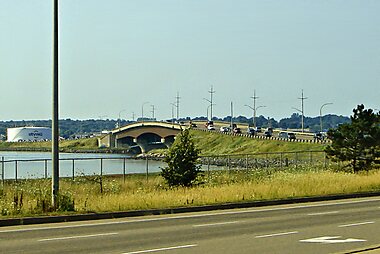
- By car: The Confederation Bridge links the island to New Brunswick at Borden-Carleton, about 45 minutes from the city. The toll is paid when you leave the island. Moncton is about an hour from the bridge, and Halifax is about 4 to 4.5 hours from Charlottetown.
- By ferry: A seasonal ferry runs from Caribou, Nova Scotia to Wood Islands, about an hour from the city. It runs seasonally, roughly spring to December, so check the schedule.
- By bus: Maritime Bus runs coaches to Moncton, Halifax and other Atlantic cities. There is no passenger rail on the island.
Se déplacer
- On foot: The historic centre is flat and compact. Most main sights are within a 15-minute walk of each other.
- Public transit: T3 Transit runs buses in Charlottetown and nearby towns. Cash fares need exact change. See T3 Transit.
- By bike: The Confederation Trail, a former railway line, passes through the city. It is flat and good for cycling.
- Taxi: Taxis work across the city. For beaches and the north shore, a rental car is more practical than buses.
Conduite
- Is a car worth it? Not for the city centre, which is small and walkable. A car helps a lot for beaches, the north shore and other parts of the island.
- Parking: Paid street parking and car parks are found downtown. They fill up on summer evenings.
- Winter: Snow and ice are common from December to March. Allow extra time.
- Bridge toll: The Confederation Bridge toll is paid when leaving the island, not when arriving.
Gastronomie
The island is known for seafood. Try mussels, oysters and lobster, and look for lobster suppers in summer. Potatoes are a local crop and appear on many menus. Local ice cream is a popular summer treat.
Most restaurants are in the old centre, around Victoria Row, Great George Street and the waterfront. Book ahead on summer weekends. Tipping of 15 to 20 percent is normal in sit-down restaurants.
Sécurité et santé
Charlottetown is a very safe city for visitors. Normal care with valuables in parked cars is enough.
Summer sun can be strong at the beaches, and the sea is cold. Bring insect repellent for walks in parks and woods. Winter needs warm layers and boots with good grip. Storms in late summer and autumn can cause delays.
Histoire
The Mi'kmaq have lived on the island, which they call Epekwitk, for thousands of years. French settlers arrived in the 1700s. The British took the island in 1758. Charlottetown was founded soon after and named for Queen Charlotte.
In September 1864, leaders from the British colonies met here to discuss a union. This Charlottetown Conference led to Canadian Confederation in 1867. The city is called the birthplace of Confederation. Prince Edward Island joined Canada in 1873.
Infos pays
Quick practical facts for Canada at a glance:
- Devise
- dollar canadien CAD $ · Paiements par carte · Largement acceptées
- Numéros d'urgence
- 911
- Électricité
- 120 V · 60 HzType A / Type B
- Langues
- anglais, français
- Eau du robinet
- Potable
- Sens de conduite
- À droite
- Indicatif téléphonique
- +1


Charlottetown – Planifie tes journées
Transforme les lieux de ce guide en un véritable itinéraire, avec des itinéraires intelligents, des estimations de temps et tout ce dont tu as besoin pour un voyage parfait.


Destinations associées
Data: © OpenStreetMap contributors, Wikidata, Wikipedia, Tripomatic, Official websites. Tours by GetYourGuide. We earn commission from bookings. Travel guide generated with AI.
Planifie ton voyage avec Tripomatic
- Planification avec l'IAObtiens une journée prête à l'emploi en un geste, laisse l'IA répartir ta liste de souhaits sur ton voyage ou planifie tout en discutant.
- Alertes de voyageAvis officiels, météo extrême, grèves et risques naturels pour les lieux de chaque jour de ton voyage.
- Jours fériés et événementsConsulte les jours fériés, festivals et fermetures durant ton voyage, ainsi que leur impact sur tes projets.
- Estimation des coûtsDétails des coûts de voyage générés par l'IA pour savoir quel budget prévoir avant de partir.
- Visites et billetsRéserve des visites, des billets coupe-file et des activités directement dans ton planning.