


Tønsberg
Tønsberg is usually called Norway's oldest town. It sits at the head of a sheltered fjord arm, about 100 km south of Oslo. The history is easy to see: castle ruins on a hill above the centre, a famous Viking ship burial mound just north of town, and a harbour where boats have landed for more than a thousand years.
The town is small and relaxed. In summer, life moves to the wooden waterfront, Brygga, and out to the islands of Nøtterøy and Tjøme, where bridges lead to smooth rocks, beaches and Færder National Park. Tønsberg suits a calm two- or three-night stay that mixes Viking history with time by the sea. Chess champion Magnus Carlsen was born here.

Tønsberg – Tu prépares un voyage ?
Crée ton itinéraire jour par jour dans l'application Tripomatic.


Quand partir
June to August is the best time to visit. Days are long, the sea is warm enough to swim, and boats run to the islands. Spring and early autumn are quiet and pleasant for walking, though many island services close outside summer. Winters are dark and cold, with snow in some years.
The biggest annual event is the Slottsfjell music festival in July. It brings big Norwegian and international acts to a site near the waterfront, and hotels fill up early.
Meilleure période pour visiter: juillet, août
Sites incontournables
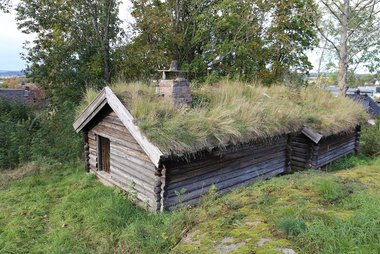
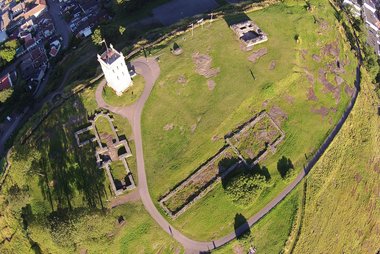
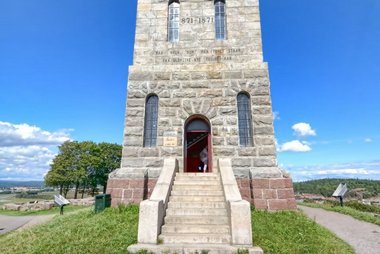
Tunsberghus is the ruin of a medieval royal castle on Slottsfjellet, the hill above the centre. It was one of Norway's main fortresses until Swedish troops destroyed it in 1503. Today you walk among low stone walls and church ruins, then climb Slottsfjelltårnet, a granite tower from 1888, for a view over the town and the fjord.
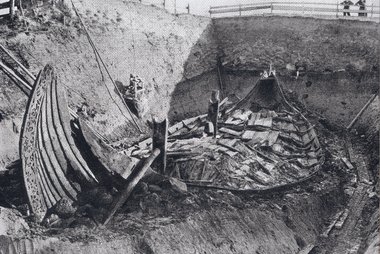
Oseberghaugen is the burial mound where the Oseberg ship was found in 1904, about 5 km north of the centre in Slagen. The grave dates from 834 and is one of the richest Viking burials ever found. The ship itself will be shown at the new Museum of the Viking Age in Oslo, which has not yet opened, so check before you go. Come here for the quiet landscape and the sense of place.
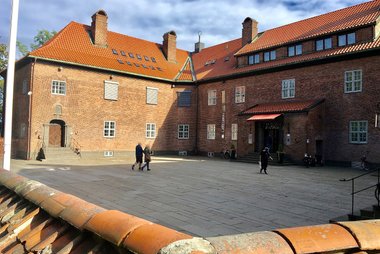
Slottsfjellsmuseet sits at the foot of the castle hill. It covers local history, whaling and seafaring, and it displays a large whale skeleton. Behind it, the open-air Vestfoldtunet shows old farm buildings moved here from around the county.
- Brygga is the long waterfront along the canal, lined with restaurants and bars in old wharf buildings. It is the centre of town life on summer evenings.
- Saga Oseberg is a full-size, sailing copy of the Oseberg ship. It is usually moored at Vikingodden in the harbour, except when away on summer voyages.
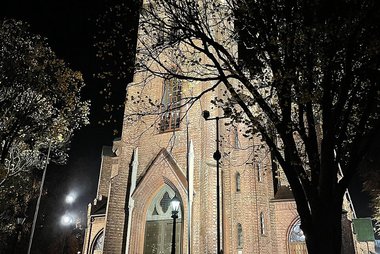
- Tønsberg domkirke is a brick church from 1858 in the town centre, with a pulpit from 1621.
- Haugar kunstmuseum shows older and contemporary art in a former seamen's school. Next to it are the Haugar mounds, where kings were once proclaimed.
Expériences à vivre
Most local traditions happen in summer, and most of them happen on the water.
- Slottsfjell festival: Join the crowds for concerts near the waterfront in July.
- Boat trip into the archipelago: Take a summer sightseeing boat or a taxi boat from the harbour to the islands and skerries of Færder National Park.
- Swim from the rocks: Do as locals do and swim from the smooth rocks and small beaches on Nøtterøy and Tjøme.
- Evening on Brygga: Join the summer evening crowd on the waterfront, when boats tie up along the quay and people eat outside until late.
Visites et activités
Tønsberg — Carte

Excursions à la journée
The islands and the coast are the main reasons to go out for the day. Larger towns are easy to reach by train.
- Verdens Ende (World's End) — about 30 min by car, or by bus with one change. The rocky southern tip of Tjøme sits in Færder National Park, with a reconstructed tipping lighthouse and open views to the sea.
- Åsgårdstrand — about 20 min by car. A small summer town on the fjord where Edvard Munch painted; his small house is now a museum.
- Borre Park, Horten — about 20 min by car. A large field of Viking-age royal burial mounds, with the Midgard Viking Centre and a reconstructed Viking hall.
- Sandefjord — under 30 min by train. A former whaling town with the Whaling Museum and the Gokstad ship mound nearby.
- Larvik — under 1 hour by train. A coastal town with beaches and the beech forest of Bøkeskogen.
- Oslo — a little over 1 hour by train. The capital has the country's main museums, galleries and a harbour front.
Où s'aventurer
Tønsberg is part of the Vestfold coast, a chain of old harbour towns along the western side of the Oslofjord.
- Along the coast: Sandefjord and Larvik are short train rides to the south-west.
- Further south-west: Skien is at the end of the Vestfold Line and is the start of the Telemark Canal.
- Across the fjord: Fredrikstad has a fortified old town. By car, the ferry from Horten to Moss crosses the fjord in about 30 minutes.
- The capital: Oslo is the main gateway for most visitors.
S'y rendre
- By air: Sandefjord Airport Torp (TRF) is the nearest airport, about 25 km away. A shuttle bus runs from the terminal to Torp station, then a short train ride takes you to Tønsberg. From Oslo Airport Gardermoen (OSL), the train takes about 1 h 40 min.
- By train: Trains on the Vestfold Line run about once an hour from Oslo and take a little over 1 hour. The same line continues to Sandefjord, Larvik and Skien. Buy tickets in the Vy app or at Vy.
- By bus: Express buses link Tønsberg with other towns in eastern Norway.
- By car: The E18 motorway from Oslo takes about 1 hour.
Se déplacer
- On foot: The centre, Brygga, the castle hill and the cathedral are all within a 15-minute walk of each other.
- Local buses: VKT buses connect the centre with Slagen, Nøtterøy and Tjøme. Buy tickets in the VKT app, or on board. Plan trips at VKT.
- Boats: In summer, small passenger boats and taxi boats go from the harbour to the islands of the archipelago.
- Cycling: The town is fairly flat and a bike works well for reaching the Oseberg mound and the nearest beaches.
Conduite
- Is a car worth it? Not for the town itself, which is compact and walkable. A car helps for the islands and the coast, where buses are infrequent.
- Parking: Parking in the centre is paid. Check the signs for the payment app or machine before you leave the car.
- Tolls: Main roads into the region use automatic plate-reading tolls with no barriers. Rental cars are billed through the rental company.
- Summer traffic: The roads to Tjøme and Verdens Ende can be slow on warm summer weekends.
Gastronomie
Seafood is the local strength. In summer, look for fresh shrimp (reker) eaten with bread, mayonnaise and lemon, a classic along the Oslofjord coast. Fish soup and fish cakes are common lunch dishes.
Most good eating is on Brygga, the waterfront, where restaurants and bars line the quay with outdoor tables in summer. The streets around the main square, Torvet, have cafés and bakeries for a quieter meal.
Sécurité et santé
Tønsberg is a very safe town with little crime aimed at visitors. Use normal care with bags in busy bars on Brygga during festival nights.
The main risks are outdoors. Ticks are common on the islands and coastal paths in summer, so check your skin after walks in tall grass. The sea stays cool even in July, and rocks near the water can be slippery.
Histoire
By tradition, Tønsberg existed by 871, which is why it calls itself Norway's oldest town. The real start was probably a market place near Haugar, where the Vestfold assembly met and kings were proclaimed. Not far away, at Oseberghaugen, two women, one probably of very high rank, were buried with a ship in 834.
In the Middle Ages the town became a royal centre. Kings built Tunsberghus on the hill, and King Håkon V died there in 1319. In 1503 Swedish troops destroyed the castle, and it was never rebuilt.
In the 1800s, local man Svend Foyn invented the harpoon gun that made modern whaling possible. The whaling story, and much more, is told at Slottsfjellsmuseet.
Infos pays
Quick practical facts for Norway at a glance:
- Devise
- couronne norvégienne NOK kr · Paiements par carte · Largement acceptées
- Électricité
- 230 V · 50 HzType C / Type F
- Langues
- norvégien bokmål, norvégien nynorsk
- Eau du robinet
- Potable
- Sens de conduite
- À droite
- Indicatif téléphonique
- +47


Tønsberg – Ajouter à ton voyage
Crée un itinéraire de voyage détaillé avec des itinéraires intelligents, des estimations de temps et tout ce dont tu as besoin pour un voyage parfait.


Destinations associées


Data: © OpenStreetMap contributors, Wikidata, Wikipedia, Tripomatic, Official websites. Tours by GetYourGuide. We earn commission from bookings. Travel guide generated with AI.