


Angra do Heroísmo
Angra do Heroísmo is a small harbour town on the south coast of Terceira. It is the oldest city in the Azores and a UNESCO World Heritage Site. For centuries it was a key stop for ships crossing the Atlantic.
The old centre is compact and easy to walk. Streets run down to the bay, and a volcanic hill with forts and viewpoints closes the harbour. It suits a stay of two or three nights, with the rest of Terceira reached by car.

Angra do Heroísmo – Stai pianificando un viaggio?
Costruisci il tuo itinerario giorno per giorno nell'app Tripomatic.


Quando andare
Summer is the warmest and driest season, and the best time for beaches, boat trips and hiking. Spring and autumn are mild. Winter is mild too, but wet and windy.
The biggest event is the Sanjoaninas, the town's city festival around St John's Day on 24 June. It runs for several days in late June, with concerts and parades. Book rooms early if you plan to come.
Periodo migliore per la visita: giugno, luglio, agosto, settembre
Attrazioni principali
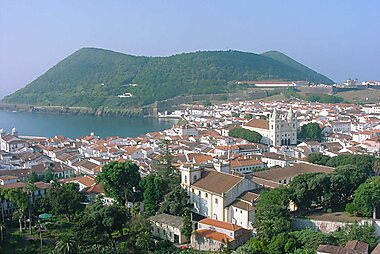
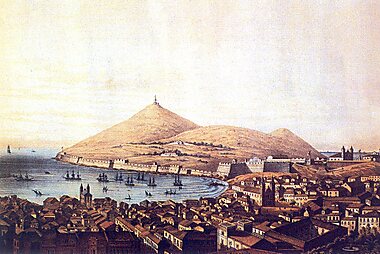
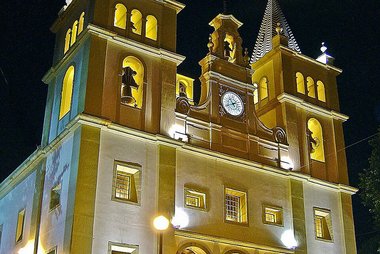
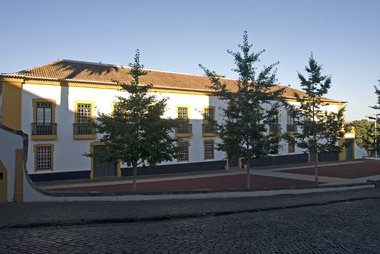

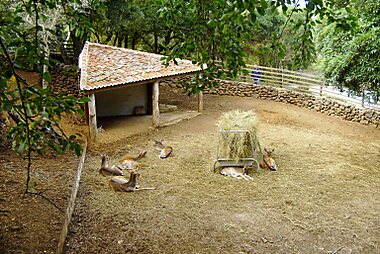
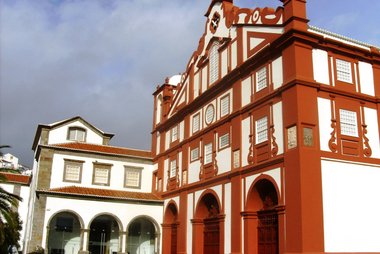
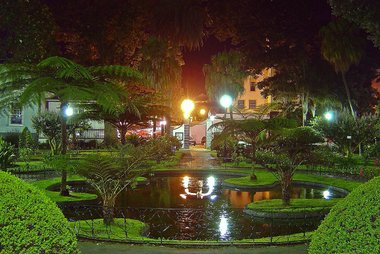

- The old town, Centro Histórico, is the World Heritage area. The 1980 earthquake damaged it badly, but it kept most of its historic buildings and was restored.
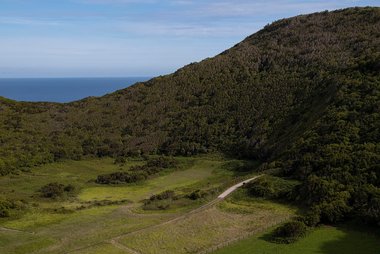
- Monte Brasil is the volcanic hill that shelters the bay. Roads and paths cross it, and several lookouts face the town, the coast and, on clear days, the islands of São Jorge and Pico.
- Pico das Cruzinhas is the highest point of the hill, at about 200 m. It gives a view over Angra.
- Fortaleza de São João Baptista is a large fortress on Monte Brasil. Spain began it in 1593 and it was renamed after Portugal regained independence. It is still run by the armed forces, and guided tours are offered.
- Sé Catedral is the cathedral of the Azores diocese. It dates from the 16th century and was rebuilt after the 1980 earthquake and a fire in 1983.
- Palácio dos Capitães-Generais was built as a Jesuit college and is now an official residence of the Azores regional government.
- Museu de Angra do Heroísmo is in the former Franciscan convent. It covers the history of the island.
- Jardim Duque da Terceira is a terraced public garden from the 19th century in the middle of town.
- Outeiro da Memória is a short climb above the town. An obelisk stands here, built in the 19th century to mark the arrival of King Pedro IV in 1832. The view covers the bay and Monte Brasil.
Elenchi in evidenza

Angra do Heroísmo Essentials
Angra do Heroísmo, a UNESCO World Heritage site on Terceira Island, preserves a 16th-century Renaissance urban grid designed for Atlantic maritime trade. This coastal city features the massive Saint John the Baptist fortress, the terraced Jardim Duque da Terceira botanical gardens, and numerous Baroque churches. The town center serves as a living museum of Portugal's Age of Discovery, with its protected harbor, Prainha beach, and monuments like Outeiro da Memória offering panoramic views of the bay.
11 luoghi
UNESCO Heritage in Angra
Angra do Heroísmo, located on Terceira Island in the Azores, served as a vital port of call for trans-Atlantic trade between the 15th and 19th centuries. This UNESCO World Heritage site is characterized by its 16th-century urban grid and military architecture. The list features the historic town center, the 19th-century Outeiro da Memória obelisk overlooking the city, and the Forte de São Sebastião, a coastal defense fortification built to protect the harbor from pirate attacks.
5 luoghiCosa provare
- Join the Sanjoaninas in late June. The town holds concerts and parades, and the main day is St John's Day on 24 June.
- Watch a bull run on a rope (tourada à corda). This Terceira tradition takes place in the warm months. A bull is led through the streets on a long rope. Check local programmes for dates.
- Go whale and dolphin watching. Boat tours leave from Angra marina. The main season runs from spring to autumn, and sperm whales and common dolphins live in these waters all year.
- Swim at Prainha, the town's small sandy beach. The sea is warmest in late summer.
- Follow the Holy Spirit festivals. Small chapels called impérios stand across the island. In the weeks between Easter and Trinity Sunday, each community holds its own festival, often with a communal meal.
Tour e attività
Angra do Heroísmo — Mappa

Gite in giornata
Terceira is small, about 400 km², so every trip below is a short drive. A rental car is the easiest way to link them.
- Algar do Carvão is an ancient volcanic chimney in the centre of the island. Visitors go down about 90 m inside it, with a pool at the bottom. It is open to guided visits in the warm season only.
- Furnas do Enxofre is a field of volcanic steam vents in the middle of the island.
- Serra de Santa Bárbara is the highest point on the island, at about 1,021 m. It is a good hiking area.
- Biscoitos, on the north coast, has black lava rock and natural swimming pools. It is also the home of the island's wine.
- Praia da Vitória is the island's second town and port, in the east, near the airport.
Come arrivare
- By air: Lajes Airport (TER) is on the east side of the island, a short drive from Angra. It shares its runway with a military base. Azores Airlines and TAP fly from Lisbon and Porto, and SATA Air Açores links the other Azores islands. Some direct flights run in season from Zurich, Boston and Toronto.
- Airport transfer: There is no direct public bus. Use a taxi or a rental car. Rental desks are at the arrivals hall; book ahead in summer.
- By sea: Atlânticoline runs ferries between the Azores islands, mostly in summer. Flying is much faster for short stays.
Plan your trip with the official Visit Azores tourism site.
Come muoversi
- On foot: The old town is compact and best explored on foot. Some streets are steep, and Monte Brasil is a long, hilly walk.
- Taxis: Taxis work in Angra and can be booked for trips around the island.
- Buses: Buses link the parishes of the island, but they are infrequent and do not serve most sights.
- Car: A car is the practical choice for anything outside the town.
Guidare
- Is a car worth it? For the town alone, no. To see the rest of Terceira, yes. Buses are infrequent and most sights are outside Angra.
- Rental: Cars can be collected at the airport. Book early for summer and for the Sanjoaninas week.
Cibo e bevande
Alcatra is the dish of Terceira. It is beef cooked slowly in a clay pot with red wine, onion, garlic and spices. It is served with massa sovada, a lightly sweet local bread. Some traditional restaurants serve alcatra only at weekends, so ask ahead.
Look for queijadas da Dona Amélia, small cakes of eggs, honey and cinnamon that come from Angra. The island cheese is semi-hard. The municipal market sells cheese and sausages. Dry white wine from Biscoitos on the north coast is the local choice.
Restaurants cluster in the old town centre.
Sicurezza e salute
Angra is a small, calm town. As anywhere, keep valuables out of sight in parked cars.
Weather can change quickly. Winter brings rain and strong wind, and rough seas can cancel boat trips. Use sun protection in summer, as the sun is strong. Tap water is safe to drink.
Storia
Angra grew in the 15th century as a port on the route between Europe, Africa and the Indies. Fleets had to stop here until steamships arrived in the 19th century.
In 1583 Spain took Terceira, and Philip II built the fortress on Monte Brasil. It is now Fortaleza de São João Baptista. In 1641 the Portuguese acclaimed King João IV at Sé Catedral, and the Spanish garrison in the fortress was besieged for 11 months in 1641 and 1642.
In the Liberal Wars of the 1820s and 1830s, Terceira backed Queen Maria II. After the island's defenders beat a Miguelist attack at Praia da Vitória in 1829, the queen later gave the town the title "do Heroísmo". In 1832 her father, Pedro IV, led the liberal cause from Angra.
Later the fortress held prisoners, among them the African king Gungunhana, who was baptised in the cathedral in 1899. In 1971 the presidents of France and the United States met on Terceira at the Lajes air base.
A strong earthquake on 1 January 1980 damaged much of the centre. Rebuilding followed, and UNESCO listed the old town in 1983.
Informazioni sul paese
Quick practical facts for Portugal at a glance:
- Valuta
- euro EUR € · Pagamenti con carta · Ampiamente accettata
- Numeri di emergenza
- 112
- Elettricità
- 230 V · 50 HzTipo C / Tipo F
- Lingue
- portoghese
- Acqua del rubinetto
- Potabile
- Senso di marcia
- A destra
- Prefisso telefonico
- +351


Angra do Heroísmo – Pianifica le tue giornate
Trasforma i luoghi di questa guida in un vero itinerario, con percorsi intelligenti, stime dei tempi e tutto il necessario per un viaggio perfetto.


Destinazioni correlate
Data: © OpenStreetMap contributors, Wikidata, Wikipedia, Tripomatic, Official websites. Tours by GetYourGuide. We earn commission from bookings. Travel guide generated with AI.
Pianifica il tuo viaggio con Tripomatic
- Pianificazione con IAOttieni una giornata pronta in un tocco, lascia che l'IA distribuisca la tua lista dei desideri lungo il viaggio o pianifica tutto chattando.
- Avvisi di viaggioAvvisi ufficiali, maltempo, scioperi e calamità naturali per i luoghi di ogni giorno del tuo viaggio.
- Giorni festivi ed eventiScopri giorni festivi, festival e chiusure nei giorni del tuo viaggio e cosa comportano per i tuoi programmi.
- Stima dei costiDettaglio dei costi di viaggio calcolato dall'IA per sapere quanto mettere a budget prima di partire.
- Tour e bigliettiPrenota tour, biglietti prioritari e attività direttamente all'interno del tuo piano.