


Belle Île
Belle-Île is the largest island off the Brittany coast. It is about 17 km long and 9 km wide, and lies in the Atlantic south of the Quiberon peninsula. Four communes share the island: Le Palais, Sauzon, Bangor and Locmaria. About 5,500 people live here all year, and many more come in summer.
The island has two faces. The east coast is gentle, with sandy bays and small harbours. The west coast, called the Côte Sauvage, has cliffs, sea stacks and rough surf. Belle-Île suits a slow stay of three to five nights on foot or by bike. It also works as a long day trip from the mainland. The painter Claude Monet worked here in 1886, and the actress Sarah Bernhardt later bought a fort on the north tip.

Belle Île – Stai pianificando un viaggio?
Costruisci il tuo itinerario giorno per giorno nell'app Tripomatic.


Quando andare
Late spring and early autumn are the best times. The days are mild and the paths are quiet. July and August are the warmest months and the busiest, so book ferries and rooms early. The sea stays cool even in summer. Winter is wet and windy, and many shops, restaurants and hotels close.
Periodo migliore per la visita: giugno, luglio, agosto, settembre
Attrazioni principali
- Citadelle Vauban in Le Palais is the island's largest fortress. The Gondi family built the first defences in the late 16th century, and Fouquet and then Vauban strengthened it in the 17th century. It overlooks the main port. The former museum is closed while the fortress is converted into a hotel, so check the tourist office before you go.
- The Aiguilles de Port-Coton are sharp rock needles on the Côte Sauvage. Claude Monet painted them in 1886. They are the best-known view on the island.
- Port-Goulphar is a narrow, sheltered inlet on the south-west coast. The Phare de Goulphar stands above it, and a short path leads down to the water.
- Plage de Donnant is a wide sandy beach on the wild coast. Swimming can be dangerous here when the sea is rough, so this beach is better for walking.
- Les Grands Sables is a long, gentle sandy beach near Locmaria. It is one of the safest places on the island for swimming.
- Fort Sarah Bernhardt and the Pointe des Poulains lie at the north-west tip. The actress Sarah Bernhardt bought the fort. A small exhibition and a nature centre are nearby, and the point has a lighthouse.
- The Grotte de l'Apothicairerie is a sea cave that cuts through a headland on the wild coast. Go only in calm weather.
- The villages of Sauzon, Le Palais, Bangor and Locmaria each have a different feel. Sauzon has a small harbour with colourful houses.
Elenchi in evidenza


Best Beaches
Belle-Île-en-Mer features a diverse coastline ranging from the rugged Côte Sauvage to sheltered eastern coves. Plage de Donnant is the island's primary surfing spot, characterized by large Atlantic swells and high dunes. Conversely, the eastern side offers calmer waters at Port Andro and Plage des Galères, which are protected from prevailing winds. Several locations, including areas near Herlin and the Galères coast, are established spots for naturism. These sandy shores are accessible via the GR 340 coastal path.
6 luoghi

Coastal Views and Lighthouses
Belle-Île-en-Mer's rugged coastline features a collection of historic maritime structures and natural formations. The island's lighthouses, including the 19th-century Goulphar and the solar-powered Poulains, provide essential navigation for the Bay of Biscay. This selection includes 17th-century military architecture like the Vauban fortifications in Le Palais, alongside prominent coastal rocks and reefs like Men Du and Piler Beger, which characterize the island's Atlantic-facing cliffs and eastern shores.
12 luoghiCosa provare
- Walk a section of the GR 340 coastal path. The Côte Sauvage section has the sea stacks and the cliffs.
- Hire a bike in Le Palais and ride between the four villages. Plan a stop at a harbour café.
- Surf or paddle at a beach with a school. Les Grands Sables and Donnant are the usual places, but check the sea conditions first.
- Watch the sunset from a headland on the west coast, where the Atlantic is rough.
- Go sea kayaking along the calmer east coast, from Sauzon or Le Palais.
Tour e attività
Belle Île — Mappa

 Apri la mappa interattiva
Gite in giornata
Most visitors stay on the island. Day trips go back to the mainland, which is easy by ferry.
- Quiberon: the ferry port, about 45 min by sea. The long peninsula has beaches and a rocky west coast.
- Carnac: about 20 min by car from Quiberon. It is famous for its fields of standing stones.
- Vannes: about 1 hour by car from Quiberon. The old town has half-timbered houses and city walls. Boats from Vannes reach the island in summer.
- Gulf of Morbihan: a sheltered bay with many small islands, north-east of Quiberon. Boat trips leave from Vannes and from Port-Navalo.
Come arrivare
Belle-Île can be reached only by sea or air. There is no bridge.
- By air: The island has a small airfield, but most visitors arrive by ferry. Fly to Nantes, Rennes or Lorient on the mainland, then continue by train or car to the ferry port.
- By train: Take a train to Auray. Then continue by bus or taxi to Quiberon. SNCF Connect
- Ferry from Quiberon: This is the main route. The crossing to Le Palais takes about 45 minutes. It runs all year, with more departures in summer. It is the only line that carries cars.
- Other ferries: Boats run in the warmer months from Vannes, Port-Navalo, Le Croisic and La Turballe. These carry passengers only.
- Book ahead: In July and August, book the ferry and any car space well in advance. Belle-Île tourist office
Come muoversi
- By bike: Cycling is the best way to see the island. Bikes and electric bikes can be hired at Le Palais and in the other villages. The island has many paths, but the west side has hills and wind.
- On foot: The coastal path GR 340 circles the island. It takes about a week to walk all of it. Shorter sections are easy day walks.
- By bus: Local buses link Le Palais with the other villages and the main beaches. Service is thinner in winter. Check times at the tourist office. Belle-Île tourist office
- By car or scooter: You can hire cars and scooters in Le Palais, or bring your own car on the Quiberon ferry.
Guidare
- Is a car worth it? Not needed for a short stay. Bikes and local buses cover the main sights. A car helps if you stay in a remote house or travel with young children.
- Bringing a car: The Quiberon ferry carries cars. Book early in summer, as space is limited.
- Roads: The roads are narrow, and in summer they are busy near the beaches and the port. Park in the village car parks and walk to the harbour.
Cibo e bevande
Food on Belle-Île is Breton and based on the sea. Look for fish, shellfish, crêpes and galettes. Local products include goat cheese, honey from the island's black bees, caramels, biscuits and chocolates.
Most restaurants and shops are in Le Palais and Sauzon. Many close in winter. In summer, book dinner ahead, and buy picnic food in the villages before you walk to the beaches.
Sicurezza e salute
Belle-Île is very safe. Petty crime is rare. The main risks come from the sea and the cliffs.
- Sea and currents: The wild coast beaches, such as Donnant, have strong waves and currents. Swim only on beaches with lifeguards, and follow the flags.
- Cliffs: Stay on the paths and away from cliff edges. In bad weather, avoid the sea caves and the rocks near the water.
- Medical help: There is a medical centre at Le Palais. For serious cases, call 112 or 15.
- Ticks and sun: In grass and scrub, check for ticks. Use sun cream, as the wind can hide the heat.
Storia
The island lies on a sea route with a long military history. The Gondi family fortified the island from the late 16th century. In the 17th century Nicolas Fouquet bought it and the fortress at Le Palais grew further. Vauban, the king's military engineer, later improved the citadel. British forces held the island for about two years in the 1760s.
In the 19th century, the island's sardine canneries grew in importance. They have since closed. Artists came for the light and the rocks. Claude Monet painted the Aiguilles de Port-Coton in 1886, and Sarah Bernhardt bought a fort at the Pointe des Poulains.
Informazioni sul paese
Quick practical facts for France at a glance:
- Valuta
- euro EUR € · Pagamenti con carta · Ampiamente accettata
- Numeri di emergenza
- 112
- Elettricità
- 230 V · 50 HzTipo C / Tipo E
- Lingue
- francese
- Acqua del rubinetto
- Potabile
- Senso di marcia
- A destra
- Prefisso telefonico
- +33


Belle Île – Pianifica le tue giornate
Trasforma i luoghi di questa guida in un vero itinerario, con percorsi intelligenti, stime dei tempi e tutto il necessario per un viaggio perfetto.


Destinazioni correlate
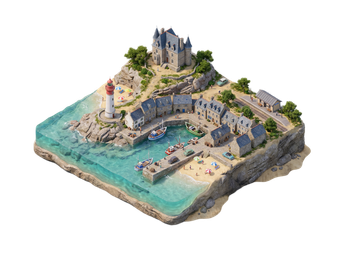
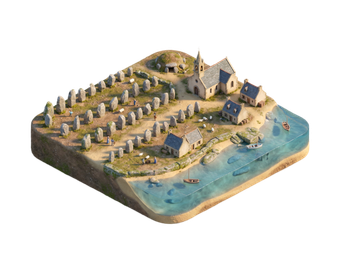
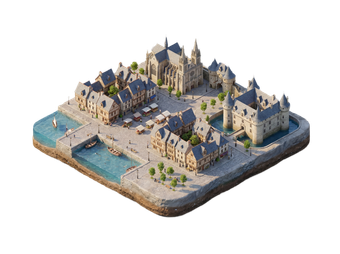
Data: © OpenStreetMap contributors, Wikidata, Wikipedia, Tripomatic, Official websites. Tours by GetYourGuide. We earn commission from bookings. Travel guide generated with AI.
Pianifica il tuo viaggio con Tripomatic
- Pianificazione con IAOttieni una giornata pronta in un tocco, lascia che l'IA distribuisca la tua lista dei desideri lungo il viaggio o pianifica tutto chattando.
- Avvisi di viaggioAvvisi ufficiali, maltempo, scioperi e calamità naturali per i luoghi di ogni giorno del tuo viaggio.
- Giorni festivi ed eventiScopri giorni festivi, festival e chiusure nei giorni del tuo viaggio e cosa comportano per i tuoi programmi.
- Stima dei costiDettaglio dei costi di viaggio calcolato dall'IA per sapere quanto mettere a budget prima di partire.
- Tour e bigliettiPrenota tour, biglietti prioritari e attività direttamente all'interno del tuo piano.