


Matsue
Matsue is the capital of Shimane Prefecture, on the Sea of Japan side of western Honshu. The city sits between Lake Shinji and the Nakaumi lagoon. Moats and the Ohashi River run through the old centre.
The castle town is compact and calm. Tea culture is part of local life, and the lake sunsets are a daily event. The writer Lafcadio Hearn lived here in 1890 and 1891 and wrote about the city for Western readers. Matsue suits a stay of one or two nights, and it is a good base for Izumo Taisha and the Adachi Museum of Art.

Matsue – Stai pianificando un viaggio?
Costruisci il tuo itinerario giorno per giorno nell'app Tripomatic.


Quando andare
May, June and October are the most comfortable months. Summers are hot and humid, and winters are cool, grey and wet with few sunny days.
The main local event is Dōgyōretsu, a drum parade held on the third Sunday of October. A large boat festival, Hōranenya, takes place only once every 10 years. The last one was in May 2019.
Periodo migliore per la visita: maggio, giugno, ottobre
Attrazioni principali
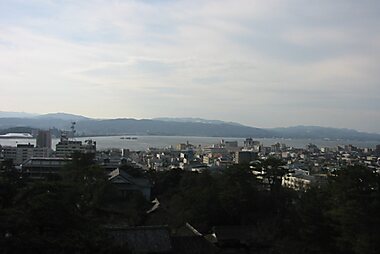
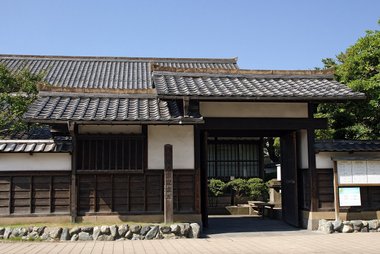
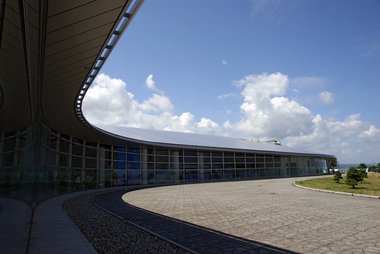
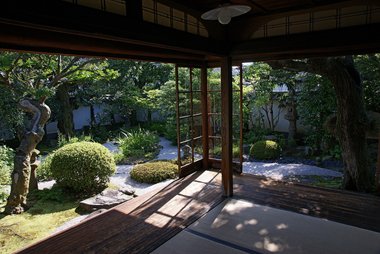
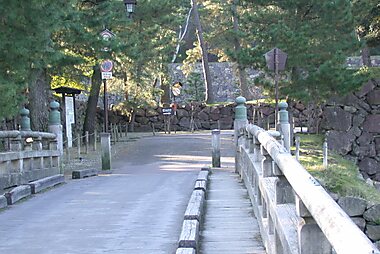
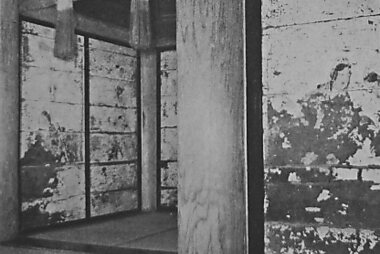
- Matsue Castle has one of the 12 original wooden keeps left in Japan. It was finished in 1611 and has been a National Treasure since 2015. It is open daily.
- On the street Shiomi Nawate, beside the castle moat, Lafcadio Hearn Memorial Museum shows Hearn's belongings, manuscripts and books. Next door, Lafcadio Hearn Former Residence is the old samurai house where he lived. A combined ticket for both costs ¥800, and both open daily from 9:00 to 18:00 (to 17:00 from October to March).
- Also on Shiomi Nawate, the Buke Yashiki shows how a middle-ranking samurai family lived in the Edo period.
- Lake Shinji is the seventh largest lake in Japan. It is famous for sunsets and for its shijimi clams.
- Shimane Art Museum stands on the lake shore. It opened in 1999 and holds Japanese art and Western works by artists such as Monet and Gauguin. The shore in front is a popular place to watch the sunset.
- Yaegaki Shrine is a Shinto shrine south of the old town.
Elenchi in evidenza


Cosa provare
- Horikawa boat tour: small boats circle the castle moats and pass under very low bridges, so passengers must duck. Ask at the castle area for the current fares and hours.
- Lake Shinji sunset: Watch the sun set over the lake from the shore. The city tourism site gives a daily sunset forecast: Lake Shinji sunset forecast. In November the sun sets at about 17:00.
- Tea and sweets: Matsue has a long tea tradition and is known for its tea sweets. Meimei-an is a thatched tea house on a small hill off Shiomi Nawate, with a view of the castle. Tea is served from 9:50 to 16:30 from April to September and to 16:00 from October to March.
- Hot spring by the lake: The Matsue Shinjiko Onsen area has hot spring hotels along the lake shore.
Tour e attività
Matsue — Mappa

Gite in giornata
Three easy day trips by train. They are listed from closest to farthest.
- Tamatsukuri Onsen: a short JR ride toward Izumo. This hot spring town is a good stop on the way to Izumo.
- Yasugi and Adachi Museum of Art: about 25 minutes by JR San'in Line to Yasugi Station, then a free shuttle bus of about 20 minutes. The museum is known for its Japanese paintings and its gardens. Entry is ¥2,500. It is open 9:00 to 17:30 from April to September and 9:00 to 17:00 from October to March. The shuttle runs about 17 times a day. The first bus leaves Yasugi Station at 8:50 and the last at 16:25. It has 25 seats, with no reservations. The last bus back from the museum leaves at 17:10.
- Izumo and Izumo Grand Shrine: Take the Ichibata Electric Railway from Matsue Shinjiko Onsen Station, change at Kawato, and ride to Izumotaishamae Station. The fare is ¥900. You can also take JR to Izumoshi Station. The shrine is one of the oldest and most important in Japan. The Shimane Museum of Ancient Izumo stands next to it.
Come arrivare
- By air: Matsue has no airport. Izumo Airport (IZO) has domestic flights, including JAL from Tokyo Haneda (about 90 minutes). A shuttle bus to Matsue takes about 30 minutes and costs ¥1,050 to Matsue Station. Yonago Airport (YGJ) has ANA flights from Tokyo Haneda. The bus to Matsue takes about 45 minutes and costs ¥1,000.
- By train: The Limited Express Yakumo runs from Okayama, about 2.5 hours, roughly every hour. Seat reservations are required. At Okayama you change to or from the Shinkansen. From Tokyo the trip takes about 6 to 7 hours (Shinkansen to Okayama, then the Yakumo), and from Osaka about 3.5 to 4 hours. The Yakumo continues to Izumoshi Station, about 30 minutes further.
- Night train: The Sunrise Izumo sleeper leaves Tokyo once a day and takes about 12 hours.
- The Japan Rail Pass covers the Shinkansen (except Nozomi) and the Yakumo. It does not cover the Sunrise Izumo berth.
Come muoversi
- On foot: The old town and the lake shore are walkable. The castle is about 2 km from Matsue Station.
- Lakeline bus: This loop bus connects both stations and the main sights. A full loop takes about 50 minutes, and buses come about every 30 minutes. A single ride costs ¥250. An all-day ticket costs ¥700.
- City and Ichibata buses: These serve places the loop bus does not reach. Board by the rear door and take a numbered ticket. Pay when you get off.
- Bicycle: Rental costs ¥300 per day at Horikawa Fureai Hiroba near the castle and at Matsue Shinjiko Onsen Station. Rental at Matsue Station costs ¥500 or more per day.
- Taxi: Taxis wait outside both stations.
- Local trains: Ichibata Electric Railway. Local tips: Matsue tourism, getting around.
Guidare
- Is a car worth it?: Not in the city. Trains and buses cover the main sights. A car is useful for the coast and the countryside.
- Left-hand traffic: Japan drives on the left.
- Licence: Japan accepts only an International Driving Permit under the 1949 Geneva Convention. A permit under the 1968 Vienna Convention is not valid. Drivers with a licence from Switzerland, Germany, France, Belgium, Monaco or Taiwan need an official Japanese translation of the licence from JAF instead.
- Parking: The Hearn Memorial Museum has no car park. Use nearby public parking.
Cibo e bevande
Lake Shinji is famous for its shijimi clams, usually served in miso soup. The brackish lake also gives eel, sea bass and whitebait. Matsue is also known for tea sweets, called wagashi, which go with a bowl of tea. Soba noodles are another local choice.
Sicurezza e salute
Matsue is very safe for visitors. Petty crime is rare. Summers are hot and humid, so drink water and rest in the shade to avoid heat stroke. Typhoons can bring heavy rain between August and October. Earthquakes happen in Japan, so learn the exit routes in your hotel.
Storia
Horio Yoshiharu built Matsue Castle between 1607 and 1611 and planned the castle town around it. The Matsudaira clan took over the domain in the late 1630s and ruled for ten generations until the end of the Edo period. The seventh lord, Matsudaira Fumai, loved tea. His influence is the reason for Matsue's tea sweets today. The Matsudaira gave the castle to the city in 1927.
In 1890 Lafcadio Hearn came to Matsue to teach English. He lived in Lafcadio Hearn Former Residence with his wife, who came from a samurai family. His books about Japan, including Glimpses of Unfamiliar Japan, made Matsue known abroad. Lafcadio Hearn Memorial Museum keeps his memory today.
Informazioni sul paese
Here are the essentials for traveling in Japan:
- Valuta
- yen giapponese JPY ¥ · Pagamenti con carta · Comunemente accettata
- Elettricità
- 100 VTipo A / Tipo B
- Lingue
- giapponese
- Acqua del rubinetto
- Potabile
- Senso di marcia
- A sinistra
- Prefisso telefonico
- +81


Matsue – Pianifica le tue giornate
Trasforma i luoghi di questa guida in un vero itinerario, con percorsi intelligenti, stime dei tempi e tutto il necessario per un viaggio perfetto.


Destinazioni correlate
Data: © OpenStreetMap contributors, Wikidata, Wikipedia, Tripomatic, Official websites, geoBoundaries (CC BY 4.0). Tours by GetYourGuide. We earn commission from bookings. Travel guide generated with AI.
Pianifica il tuo viaggio con Tripomatic
- Pianificazione con IAOttieni una giornata pronta in un tocco, lascia che l'IA distribuisca la tua lista dei desideri lungo il viaggio o pianifica tutto chattando.
- Avvisi di viaggioAvvisi ufficiali, maltempo, scioperi e calamità naturali per i luoghi di ogni giorno del tuo viaggio.
- Giorni festivi ed eventiScopri giorni festivi, festival e chiusure nei giorni del tuo viaggio e cosa comportano per i tuoi programmi.
- Stima dei costiDettaglio dei costi di viaggio calcolato dall'IA per sapere quanto mettere a budget prima di partire.
- Tour e bigliettiPrenota tour, biglietti prioritari e attività direttamente all'interno del tuo piano.