


고베
Kobe is a port city of about 1.5 million people on Osaka Bay, with green mountains rising right behind the centre. It opened to foreign trade in 1868, and the Western-style houses, the Chinatown and the harbour front still show that history.
Kobe suits a relaxed trip of two or three days. The main sights are close together, and the hot springs of Arima and the Mt. Rokko night view are easy add-ons. Osaka and Kyoto are less than an hour away by train. Kobe is also the home of Kobe beef and of Japan's biggest sake district.

고베 – 여행을 계획 중이신가요?
Tripomatic 앱에서 일자별 일정을 만들어 보세요.


방문 시기
May and October are the most comfortable months. Autumn colours on Mt. Rokko are famous. Summer is hot and humid. The rainy season in the Kansai region usually runs from early June to mid-July, and typhoons can disrupt transport in late summer and autumn. Winter is cool and mostly dry.
The main event is the Kobe Luminarie, a light festival held in winter. It started in 1995 to bring hope to the city after the earthquake. Check the dates on the official Luminarie page.
여행하기 가장 좋은 시기: 5월, 10월
주요 명소
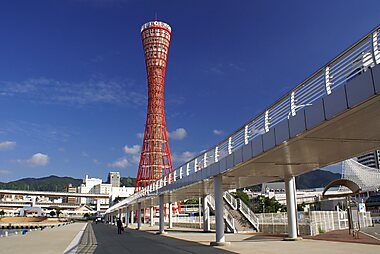
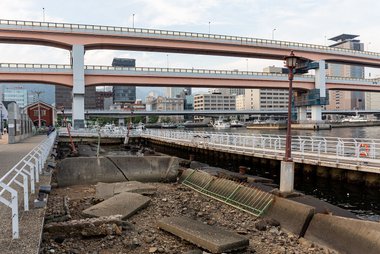
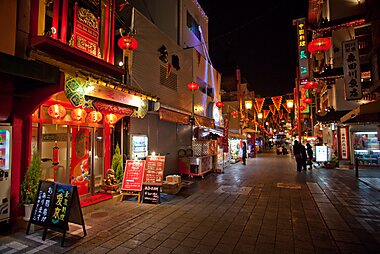
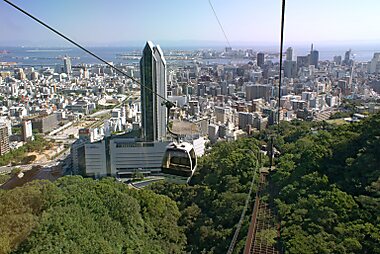
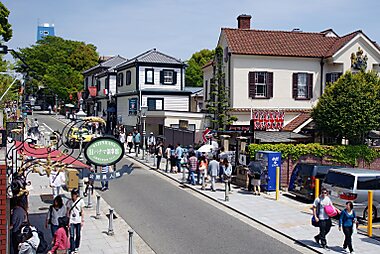
- Kitano Ijinkan is a hillside district of Western-style houses built by foreign merchants after the port opened. It is a 10 to 15 minute walk from Sannomiya or Shin-Kobe Station. Entry to the houses is usually about ¥550 to ¥880, and combination tickets cover several houses.
- Kobe Chinatown is near Motomachi Station. It has more than 100 Chinese restaurants and shops and a temple for Lord Guan.
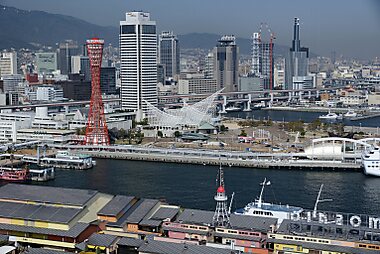
- Meriken Park is the waterfront park of the port. It holds the Kobe Maritime Museum and the Kobe Port Tower.
- Kobe Port Tower is a red steel tower, 108 m high, built in 1963. The observation deck is open 9:00 to 23:00 and costs about ¥1,000. It reopened in April 2024 after renovation.
- Earthquake Memorial Park keeps about 60 m of quay as it stood after the 1995 earthquake. You can see cracked paving and a leaning streetlamp. Entry is free.
- Kobe Harborland is a waterfront district with shops and restaurants. It is a good place for an evening walk by the harbour.
- Shin-Kobe Ropeway goes from Shin-Kobe Station up to the Nunobiki Herb Garden, with views over the city and the bay. A return ticket with garden entry is about ¥2,000. Prices are higher from November to Christmas.
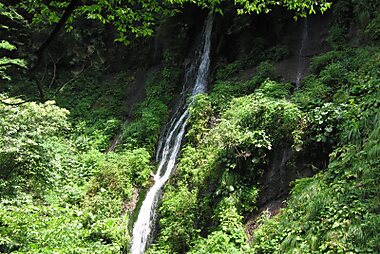
- Nunobiki Falls has a 43 m main fall. A forest path from Shin-Kobe Station reaches it in 15 to 20 minutes, and the path continues up to the Herb Garden.
추천 리스트


Panoramic Viewpoints
This collection highlights diverse vantage points across Kobe, ranging from the 108-meter Kobe Port Tower in the harbor to the free observation deck at City Hall. The list features several summits in the Tanjō-Taishaku mountain range, including the 596-meter Mt. Chigogahaka and Mt. Mekko, an independent peak on the Toban Plateau. These locations provide a mix of urban skylines and natural vistas over the northern landscape and the Seto Inland Sea.
장소 13곳
체험해 볼 것들
- Mt. Rokko night view: Ride the Rokko Cable Car up the mountain after sunset. The view over the city and the bay is named one of Japan's three great night views. Check the return times before you go up in the evening.
- A soak in Arima Onsen: Kin no Yu is a public bath with reddish-brown "gold" spring water. Entry is ¥800 on weekends and holidays and ¥600 on regular weekdays. It closes on some Tuesdays. Arima Onsen is 30 to 40 minutes from Sannomiya or Shin-Kobe by train.
- Kobe Luminarie: In winter, a large light display fills the area around Meriken Park for about ten days in the evenings. Part of the site needs a ticket.
투어 및 액티비티
고베 — 지도

 인터랙티브 지도 열기
근교 당일 여행
These trips are ordered from the closest to the farthest.
- Osaka: about 20 minutes by JR Special Rapid train from Sannomiya to Osaka Station. It is a large city with many shops, restaurants and nightlife.
- Himeji: about 40 minutes by JR rapid train from Sannomiya. Himeji Castle is a UNESCO World Heritage Site, and entry is about ¥2,500.
- Kyoto: about 25 minutes by Shinkansen from Shin-Kobe Station. Kyoto is famous for its temples and old streets.
- Awaji Island: about 45 minutes by highway bus from Sannomiya to Awaji Yumebutai, from about ¥1,050. The bus crosses the Akashi Kaikyo Bridge, which is almost 4 km long and opened in 1998.
추천 여행 지역
Nearby destinations with their own guides:
- West along the coast: Himeji and Awaji Island.
- East, in Kansai: Osaka and Kyoto.
가는 방법
- By air: Kobe Airport (UKB) is on an island off the city. It has domestic flights and some flights to Seoul, Shanghai and Taipei. The Port Liner train reaches Sannomiya in about 18 minutes for ¥340. Most long-haul visitors use Kansai International Airport (KIX). The train takes about 95 minutes to Sannomiya via Osaka Station and costs about ¥1,740. A high-speed Bay Shuttle ferry takes about 30 minutes between the two airports and costs ¥1,880 one way.
- By train: Sannomiya is the main hub for JR, Hankyu and Hanshin lines. From Osaka Station, the JR Special Rapid takes about 21 minutes. The Shinkansen stops at Shin-Kobe Station, a short subway ride north of Sannomiya. It takes about 160 minutes from Tokyo by Nozomi and 12 minutes from Shin-Osaka. See JR West for tickets and timetables.
교통편 및 이동 방법
- Subway and trains: The Kobe Municipal Subway links Shin-Kobe and Sannomiya. At the gates, tap an IC card such as ICOCA or Suica, or a contactless Visa, JCB, American Express, Diners Club, Discover or UnionPay card. The Port Liner serves the islands and the airport. See the Kobe City Transportation Bureau for subway and bus tickets.
- City Loop bus: This tourist bus runs south from Sannomiya to Chinatown, Meriken Park, Port Tower and Harborland. It runs north to Kitano and the Nunobiki Ropeway. A ride costs ¥300 and a one-day pass costs ¥800. Pay when you board with cash or a prepaid IC card.
- Mt. Rokko: The Rokko Cable Car runs from Rokko Cable Shita Station until about 21:00 and costs ¥590 one way. A bus then goes along the mountaintop. The Rokko Arima Ropeway links the mountain to Arima Onsen in about 12 minutes for ¥1,010 one way.
- On foot: The centre is compact. Streets slope up towards Mt. Rokko, for example in Kitano. Most main sights are within a short walk of Sannomiya.
운전
- Driving side: Traffic keeps to the left in Japan.
- Licence: Japan accepts only an International Driving Permit under the 1949 Geneva Convention. Licences from Switzerland, Germany, France, Belgium, Monaco and Taiwan need an official Japanese translation from JAF. These documents are valid for one year from your entry into Japan.
- Is a car worth it?: Not for Kobe itself. Trains, the subway and buses cover all the main sights.
- Tolls: Expressways charge distance-based tolls. Rental cars often include an ETC card for automatic payment.
음식 및 음료
- Kobe beef: This is a strict brand. The cattle are Tajima cattle bred and raised in Hyogo Prefecture, and the meat must reach a high marbling grade. Genuine Kobe beef is expensive, so check that the menu names it as Kobe beef.
- Where to eat: Chinatown near Motomachi has more than 100 Chinese restaurants and shops. Sannomiya and Motomachi have many other restaurants, and Harborland has waterfront dining.
- Sake in Nada: Nada, east of the centre, is Japan's top sake-producing area. Several breweries have free museums. The Hakutsuru Sake Brewery Museum is open 9:30 to 16:30 and has a tasting at its shop. It is about 10 minutes from Sannomiya by Hanshin train to Sumiyoshi Station, then a short walk. Some tours, such as at Kobe Shushinkan, need an online reservation.
안전 및 건강
Kobe is very safe for visitors, and serious crime against tourists is rare. The main risks are natural. Earthquakes happen in Japan, so follow staff instructions and local alerts. Typhoons can disrupt transport in late summer and autumn. July and August are hot and humid, so drink water and rest in the shade.
The Japan Visitor Hotline, 050-3816-2787, is open 24 hours a day in English, Chinese and Korean. It helps with emergencies and medical questions.
역사
- Ancient roots: Ikuta Shrine is one of Japan's oldest shrines, founded in the 3rd century according to tradition.
- Port opening: Hyogo Port opened to foreign trade on 1 January 1868. Foreign merchants settled in the city, and their houses still stand in Kitano Ijinkan.
- Modern city: Kobe was founded as a city on 1 April 1889 and became one of Japan's main ports.
- 1995 earthquake: At 05:46 on 17 January 1995, the Great Hanshin earthquake hit the region. It killed more than 6,000 people and damaged most of the port. Earthquake Memorial Park keeps part of the broken quay, and the Luminarie began that year to bring hope to the city.
국가 정보
Quick practical facts for Japan at a glance:
- 통화
- 일본 엔화 JPY ¥ · 카드 결제 · 대체로 사용 가능
- 전압 및 전원
- 100 V플러그 타입 A / 플러그 타입 B
- 언어
- 일본어
- 수돗물 음용
- 음용 가능
- 주행 방향
- 좌측통행
- 국가 번호
- +81


고베 – 일자별 계획 세우기
이 가이드에 소개된 장소들을 스마트 경로 및 소요 시간 예측이 포함된 실질적인 일정으로 바꿔보세요. 완벽한 여행을 위한 모든 것이 준비되어 있습니다.


관련 목적지


Data: © OpenStreetMap contributors, Wikidata, Wikipedia, Tripomatic, Official websites, geoBoundaries (CC BY 4.0). Tours by GetYourGuide. We earn commission from bookings. Travel guide generated with AI.
Tripomatic과 함께 여행을 계획해 보세요
- AI 기반 일정 계획한 번의 탭으로 완성된 하루 일정을 확인하고, AI가 위시리스트를 여행 일정 전체에 배분하게 하거나, 대화를 통해 모든 것을 계획해 보세요.
- 여행 경보여행 일정의 각 날짜별 방문 장소에 대한 공식 여행 경보, 악천후, 파업 및 자연재해 정보를 확인하세요.
- 공휴일 및 이벤트여행 일정 중의 공휴일, 축제, 휴무일과 이것이 여행 계획에 미치는 영향을 확인하세요.
- 비용 예측출발 전 예산을 가늠해 볼 수 있도록 AI가 여행 비용을 항목별로 분석해 드립니다.
- 투어 및 티켓투어, 줄 서지 않는 패스트트랙 티켓, 다양한 활동을 일정 내에서 바로 예약하세요.