
라파스주 유명 관광지
-
-
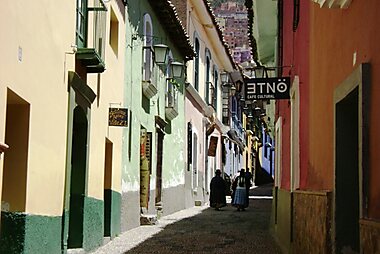
Jaen Street
The picturesque street is a great place to go for a nice walk. There are numerous museums, shops, bars and restaurants with coloured houses.
-
Pachat'aqa
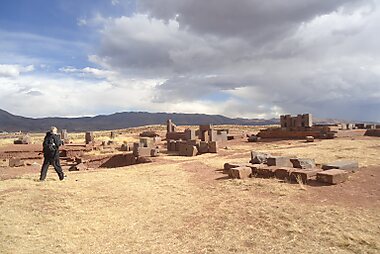
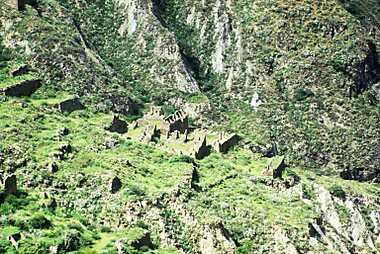
Pachat'aqa, possibly erroneously also named Horca del Inca in Spanish, is an archaeological site in Bolivia situated near Lake Titicaca.
-
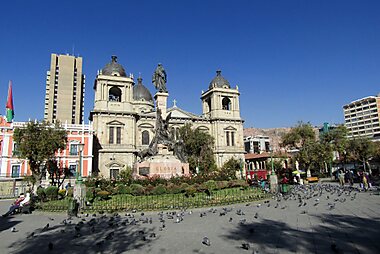
Plaza Murillo
The Plaza Murillo is the central plaza of the city of La Paz and the open space most connected to the political life of Bolivia.
-
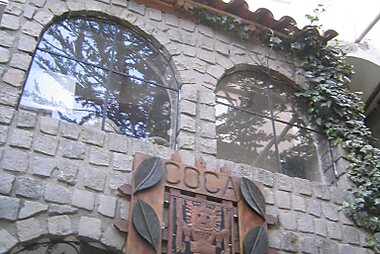
Coca Museum
The Coca Museum covers the history of the coca plant from the Andean region and related drug cocaine.
-
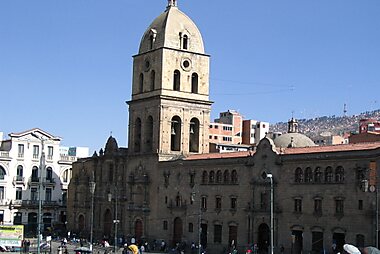
Basilica of San Francisco, La Paz
The Basilica of San Francisco in the city of La Paz, Bolivia, is a Catholic church under the advocation of Francis of Assisi.
-
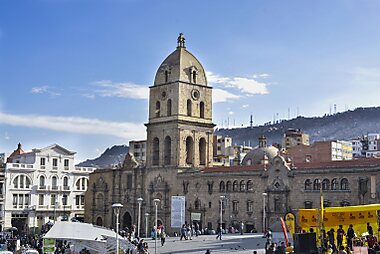
Basilica of San Francisco
A stunning 16th-century hewed stone basilica has an amazingly decorated facade, cloisters and a garden. It also recently opened a museum.
-
-
-
Strait of Tiquina
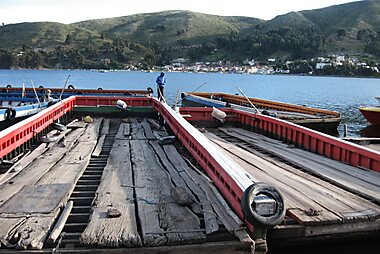
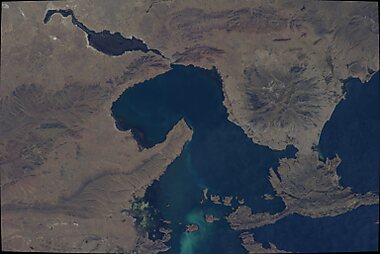
The Strait of Tiquina is the passage that connects the larger and smaller parts of Lake Titicaca in Bolivia.
- MEphraim George Squier / Public domain
Basilica of Our Lady of Copacabana
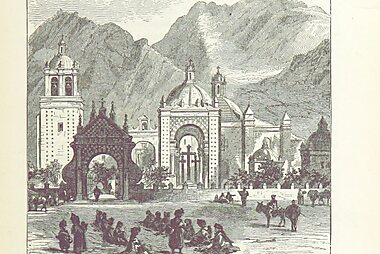
The Basilica of Our Lady of Copacabana is a 17th-century Spanish colonial shrine that houses the image of the Virgen de Copacabana.
-
-
Palace of the Virgins of Sun
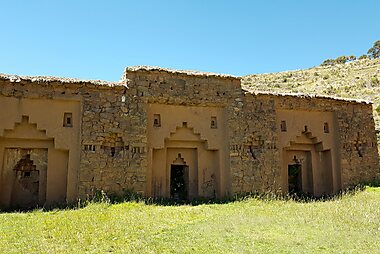
Iñaq Uyu, also called Aklla Wasi, is an archaeological site in Bolivia situated on the Isla de la Luna, an island of Lake Titicaca.
-
-
Jach'a Waracha
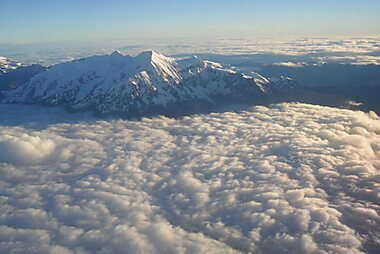
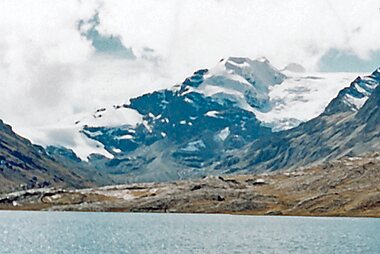
Jach'a Waracha is a mountain in the Apolobamba mountain range in Bolivia, at 5,540 metres high.
-
Battle of Ingavi
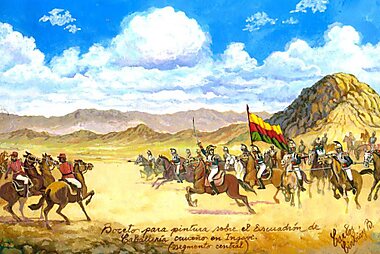
The Battle of Ingavi occurred on November 18, 1841, during the Peruvian–Bolivian War of 1841–42, in the town of Ingavi, Bolivia.


일자별 일정을 계획하세요
스마트 경로 안내, 소요 시간 예측 등 완벽한 여행에 필요한 모든 것을 포함한 상세한 여행 일정을 만드세요.




일자별 일정을 계획하세요
스마트 경로 안내, 소요 시간 예측 등 완벽한 여행에 필요한 모든 것을 포함한 상세한 여행 일정을 만드세요.