


Borgonha
Burgundy is a region of rolling vineyards, old abbeys and small stone towns in east-central France. It is famous for its wines, made mostly from Pinot Noir and Chardonnay. The vineyards of the Côte d'Or are on the UNESCO World Heritage list, together with the historic centre of Dijon and the town of Beaune.
The region also has some of the most important churches in France. Medieval monks and dukes shaped the landscape and the food. The pace is slow, and distances between sights are short. Burgundy suits a trip of three to six days for people who like wine, food, history and cycling. Dijon and Beaune are the main bases.

Borgonha – A planear uma viagem?
Cria o teu itinerário dia a dia na app Tripomatic.


Quando visitar
May to September is the best time. Days are warm and long, and the villages and vineyards are green. September and early October bring the grape harvest, which is a good time for the wine country. Spring and autumn are quieter. Winter is cold and grey, and some small sights and restaurants close for weeks.
The biggest annual event is the wine auction of the Hospices de Beaune on the third Sunday of November. It is the centre of a three-day wine festival in Beaune. Book rooms in the Côte d'Or well ahead for that weekend.
Melhor altura para visitar: junho, julho, agosto, setembro
Principais atrações
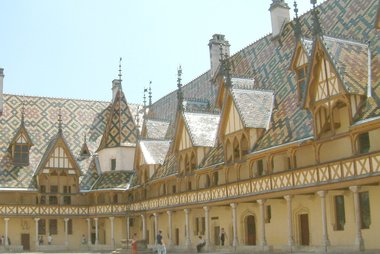

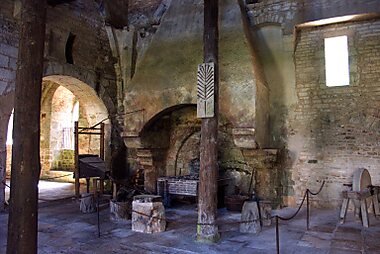
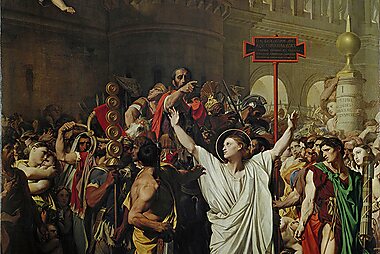
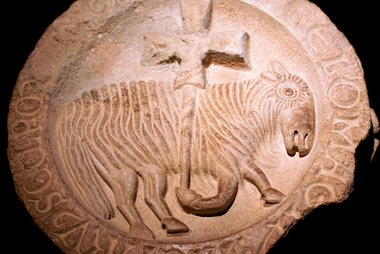

Most sights lie within a 90-minute drive of Dijon, but some are far apart. Pick one or two areas for each day.
- Hospices de Beaune is a 15th-century charity hospital in Beaune with a colourful tiled roof. Inside, you can see the old wards and the kitchens.
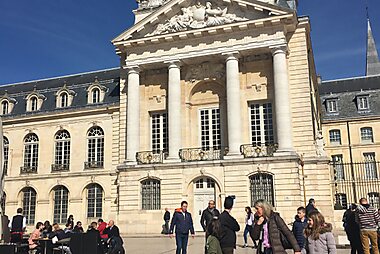
- Palais des ducs de Bourgogne stands in the centre of Dijon. It was the home of the powerful Dukes of Burgundy. Today it holds the city's fine arts museum.
- Puits de Moïse in Dijon is a late-medieval well with large carved figures of prophets. It stands at the former Champmol monastery, west of the old centre.
- Basilique Sainte-Marie-Madeleine crowns the hill town of Vézelay. It is a Romanesque church with fine carved capitals, and a starting point for the pilgrim route to Santiago de Compostela.
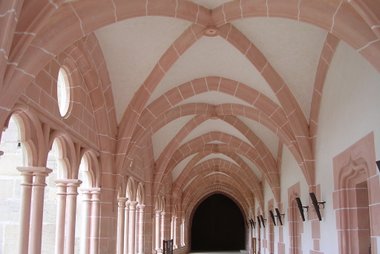
- Cistercian Abbey of Fontenay is a plain, quiet Cistercian abbey in a forest valley. Bernard of Clairvaux founded it in 1118. It is one of the best preserved abbeys in Europe.
- Abbaye de Cluny was once the largest church in Europe. Only part of it remains, but the tower and the old monastery buildings still give a sense of its size.
- Cathédrale Saint-Lazare in Autun has famous Romanesque carvings. Autun also has Roman remains, including a theatre.
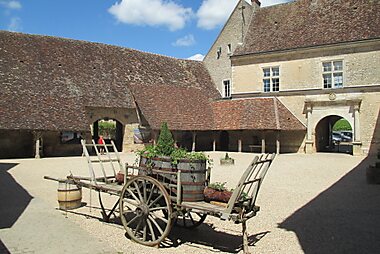
- Château de Clos-Vougeot is a Renaissance château among the vines. It was a monastic wine estate, and its huge old press room is the main sight.
- Roche de Solutré is a limestone cliff above the Mâconnais vineyards. A steady walk to the top gives wide views.
- Guédelon is a castle that is being built today using 13th-century methods. Visitors watch masons and carpenters at work.
Listas em destaque


O que experienciar
Things to do in Burgundy, beyond visiting sights.
- Taste wine at a family estate: Many growers in the Côte d'Or and Chablis take visitors by appointment. Book ahead, as many are small.
- Cycle through the vineyards: Ride a short stage of the Voie des Vignes between wine villages. Stop at a village bakery on the way.
- Join the harvest season: In September, the vineyards are busy with pickers. Some estates offer short harvest visits.
- Join the Hospices de Beaune wine weekend: In November, the town holds a wine festival, with the charity auction at its centre.
- Cruise the Burgundy canal: Barges and small boats run on the canals in summer. You can also walk or cycle the towpaths.
- Eat at a village market: Open-air markets in Dijon and Beaune sell cheese, charcuterie and wine. Go early.
Excursões e atividades
Borgonha — Mapa

Passeios de um dia
Burgundy has a lot to see, so most visitors stay inside the region. These places lie just outside it and work well as a day out. Times are one way.
- Troyes: about 1 hour by car from Chablis. It is a Champagne-region city with a medieval centre of timber-framed houses.
- Besançon: about 1 hour by train from Dijon. It has a large hilltop fortress in a bend of the Doubs river.
- Lyon: about 2 hours by train from Dijon. It is a large city with a big old town and a strong food scene.
- Paris: about 1 hour 40 minutes by TGV from Dijon. A long day, but possible.
Onde explorar
Como chegar
- By air: Burgundy has no major international airport. Most visitors fly to Paris (Charles de Gaulle or Orly) or Lyon Saint-Exupéry and continue by train or car.
- By train: TGV trains from Paris Gare de Lyon reach Dijon in about 1 hour 40 minutes. There is no direct high-speed service to Beaune, so change at Dijon. Lyon is about 2 hours from Dijon by regular train. Book on SNCF Connect.
- By car: The A6 motorway runs from Paris to Lyon through the region. The A31 links Dijon to Beaune and to the south. Tolls apply.
Como se deslocar
- Train: Regional TER trains link Dijon with Beaune, Chalon-sur-Saône, Mâcon and Lyon along the main line. Trains also serve Auxerre and Sens in the north-west. Many small towns and abbeys have no station.
- Buses: Rural buses are infrequent. Plan to use a car or a bike for villages, abbeys and vineyards.
- Dijon tram: Dijon has two tram lines and a bus network that cover the city centre.
- Cycling: The Voie des Vignes is a cycle route through the Côte de Beaune vineyards. Bikes and e-bikes can be hired in Beaune. See Burgundy Tourism.
- Wine tours: If you plan to taste wine, book a driver or a minibus tour.
Conduzir
- Is a car worth it?: Yes for a multi-day trip. Abbeys, wine villages and castles are often far from stations. If you drink wine, share the driving.
- Roads: The A6 and A31 motorways have tolls. Wine villages are linked by the Route des Grands Crus, a slow and scenic road through the vineyards.
- Parking: Free or cheap car parks are usually just outside the old centres. Park outside the walls in Beaune and Dijon, and walk in.
Comida e bebida
Burgundy is one of the great food regions of France. Try bœuf bourguignon, beef stewed in red wine, and escargots, snails baked in garlic butter. Other local items are gougères, small cheese puffs, and Époisses, a strong cheese with a soft orange rind. Dijon is the home of Dijon mustard. A kir, white wine with blackcurrant liqueur, is a classic drink before dinner.
Pinot Noir and Chardonnay make the famous reds and whites, from the Côte d'Or to Chablis. Cheaper wines from the Mâconnais and the Côte Chalonnaise are also good. For eating, look at the old-town squares and market streets in Dijon and Beaune. Many restaurants in the vineyards fill up at weekends, so book ahead.
Segurança e saúde
Burgundy is very safe for visitors. Petty theft is rare, but it can happen in busy places.
- Cars: Do not leave bags or valuables visible in parked cars at abbeys, castles or viewpoints.
- Drinking and driving: The legal limit is low. Use a driver, a taxi or a bike for tastings.
- Winter: Roads in the Morvan hills can be icy.
História
Burgundy has been important for more than two thousand years. In 52 BC the Gaulish leader Vercingetorix surrendered to Julius Caesar at Fouilles d'Alésia. The Gaulish Aedui tribe lived at Oppidum de Bibracte, and later the Romans built Autun nearby.
In the Middle Ages, monks made Burgundy a centre of Christian life. Abbaye de Cluny was founded in 910 and grew into the largest church in Europe. The Cistercian order began at Abbaye de Cîteaux. Cistercian Abbey of Fontenay was founded in 1118 by Bernard of Clairvaux. The monks also developed the vineyards.
From the 14th century, the Dukes of Burgundy ruled one of the richest courts in Europe from Dijon. Nicolas Rolin, the duke's chancellor, founded the hospital in Beaune in 1443. The last duke, Charles the Bold, died in battle in 1477. After that, Burgundy became part of France.
Factos sobre o país
Quick practical facts for France at a glance:
- Moeda
- Euro EUR € · Pagamentos com cartão · Amplamente aceite
- Números de emergência
- 112
- Eletricidade
- 230 V · 50 HzTipo C / Tipo E
- Idiomas
- francês
- Água da torneira
- Própria para beber
- Sentido de condução
- Direita
- Indicativo telefónico
- +33
Borgonha – Planeia a tua viagem
Escolhe os lugares que queres ver e o Tripomatic transforma-os numa rota dia a dia, com rotas inteligentes, estimativas de tempo e tudo o que precisas para uma viagem perfeita.


Destinos relacionados

Data: © OpenStreetMap contributors, Wikidata, Wikipedia, Tripomatic, Official websites. Tours by GetYourGuide. We earn commission from bookings. Travel guide generated with AI.
Planeia a tua viagem com o Tripomatic
- Planeamento com IAObtém um dia pronto com um toque, deixa a IA distribuir a tua lista de desejos pela tua viagem ou planeia tudo através do chat.
- Alertas de viagemAvisos oficiais, condições meteorológicas adversas, greves e perigos naturais para os lugares em cada dia da tua viagem.
- Feriados e eventosVê feriados, festivais e encerramentos nos dias da tua viagem e o impacto que têm nos teus planos.
- Estimativa de custosDiscriminação de custos de viagem com IA para saberes quanto orçamentar antes de ir.
- Excursões e bilhetesReserva excursões, bilhetes sem filas e atividades diretamente no teu plano.