



Spittal an der Drau
Spittal an der Drau is the main town of Upper Carinthia, in the Drau valley, at the foot of the Millstätter See area. The town has about 15,000 people and sits where the Lieser river meets the Drau, at a junction of routes from the Tauern, Salzburg and Italy.
The main attraction is Schloss Porcia, a large Renaissance palace in the town centre. Spittal is also a practical base for the lakes, the Nock Mountains and the Hohe Tauern.

Spittal an der Drau – A planear uma viagem?
Cria o teu itinerário dia a dia na app Tripomatic.


Quando visitar
May to September is best for the lakes, the palace gardens and summer theatre. Autumn is good for walking. Winter is quiet in town, with ski areas such as Bad Kleinkirchheim and Katschberg within reach.
Principais atrações
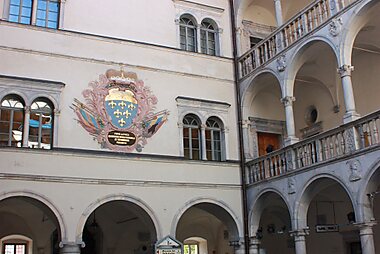
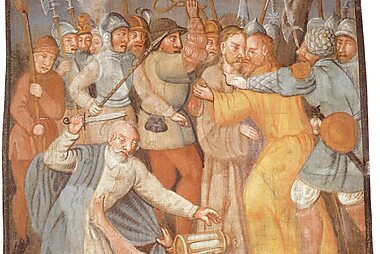
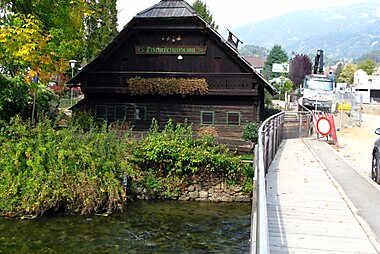
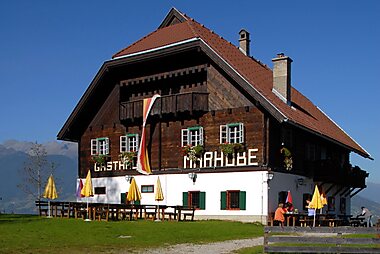
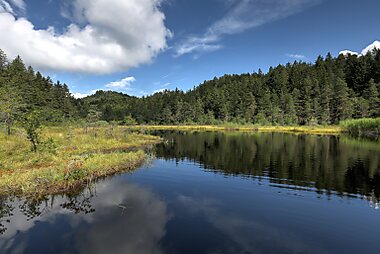
- Schloss Porcia is a 16th century Renaissance palace with an arcaded courtyard, used for summer theatre.
- Stift Millstatt is a former abbey above the Millstätter See with a Romanesque cloister.
- Stiftsmuseum Kreuzgang Millstatt shows the history of the abbey in the cloister.
- Millstätter See is the large lake east of town, with beaches and boat trips.
- Egelsee is a small lake for a quiet swim.
- Ortenburg is the ruin of a medieval castle west of town.
- Drautalperle is a leisure and water park.
- Museum Carantana is a museum of early Carinthian history.
- Schloss Heroldeck is a small castle above the lake.
Listas em destaque

Spittal an der Drau Essentials
Spittal an der Drau features the 16th-century Schloss Porcia, one of Austria's most significant Renaissance palaces, and the nearby Millstätter See, the second-largest lake in Carinthia. The area preserves deep historical roots at Millstatt Abbey, founded around 1070, and its associated cloister museum. Natural landmarks include the protected Egelsee mire lake and the Drau River valley views from the DrAUENland platform. Cultural sites such as the Romanesque-Gothic Sankt Wolfgang church and the archaeological heritage at Molzbichl provide insight into the region's medieval history.
10 lugares
Hidden Gems: Chapels & Views
This collection features a series of secluded sacred sites and elevated vantage points surrounding Spittal an der Drau in Upper Carinthia. It highlights historical chapels such as the Antoniuskapelle on the Fratres hill and the Domitianskapelle, alongside contemporary landmarks like the DrAUENland observation platform. The selection includes the 'Roter Stuhl' outdoor art installation and scenic viewpoints like Lug ins Land, which offer perspectives over the Drau valley and the surrounding alpine landscape.
7 lugares
O que experienciar
- See the palace courtyard.
- Swim in the Millstätter See.
- Visit the abbey cloister.
- Cycle along the Drau.
- Drive on to the Hohe Tauern.
Excursões e atividades
Spittal an der Drau — Mapa

Passeios de um dia
- Seeboden is about 10 minutes away by car.
- Millstatt is about 20 minutes away by car.
- Feld am See is about 25 minutes away by car.
- Bad Kleinkirchheim is about 35 minutes away by car.
- Weißensee is about 40 minutes away by car.
- Villach is about 35 minutes away by car.
- Klagenfurt is about 1 hour away by car.
- Heiligenblut is about 1 hour 15 minutes away by car.
Onde explorar
- Seeboden, Bad Kleinkirchheim, Feld am See and Weißensee are the nearest preferred destinations.
- Klagenfurt and Pörtschach are the Wörthersee options.
Como chegar
- By air: Klagenfurt Airport is about 1 hour away by car. Salzburg is about 1 hour 45 minutes.
- By train: Spittal-Millstättersee is on the Tauern railway, with direct trains from Salzburg and Villach. Check times on ÖBB.
- By car: Leave the A10 Tauern motorway at Spittal Ost or Spittal West.
Como se deslocar
The centre is walkable and flat. A free town bus covers the main streets, and buses link the lake villages. A car helps for the wider region. Cycling is easy.
Conduzir
A car helps for the lakes and mountains. The A10 has toll tunnels towards Salzburg. Winter tyres or chains are required in snow. Motorways in Austria need a vignette.
Comida e bebida
Carinthian food includes Kärntner Kasnudeln, filled pasta, and Reindling, a raisin yeast cake. Lake fish and local dairy are common. Cafes in the old town serve coffee and cakes.
Segurança e saúde
Spittal is very safe. Tap water is clean and safe to drink. The emergency number is 112. The mountain rescue number is 140.
História
Spittal takes its name from a medieval hospice for travellers on the route over the Tauern. Count Gabriel von Salamanca built Schloss Porcia in the 16th century, and later the Porcia family held it. The town grew with the railway and trade, and today it is a regional centre for the lakes and the Hohe Tauern.
Factos sobre o país
Quick practical facts for Austria at a glance:
- Moeda
- Euro EUR € · Pagamentos com cartão · Geralmente aceite
- Números de emergência
- 112
- Eletricidade
- 230 V · 50 HzTipo C / Tipo F
- Idiomas
- alemão
- Água da torneira
- Própria para beber
- Sentido de condução
- Direita
- Indicativo telefónico
- +43


Spittal an der Drau – Planeia os teus dias
Transforma os lugares deste guia num verdadeiro itinerário, com rotas inteligentes, estimativas de tempo e tudo o que precisas para uma viagem perfeita.


Destinos relacionados
Data: © OpenStreetMap contributors, Wikidata, Wikipedia, Tripomatic, Official websites, geoBoundaries (CC BY 4.0). Tours by GetYourGuide. We earn commission from bookings. Travel guide generated with AI.