



Балатон
Lake Balaton is the largest lake in Central Europe, a long, shallow stretch of warm water that Hungarians simply call the "Hungarian Sea." Its two shores feel like different worlds: the north shore is volcanic hills, vineyards, and old spa towns tucked below wooded slopes, while the flatter south shore is lined with wide sandy beaches, marinas, and a livelier holiday scene.
A trip here suits travelers who want a slower pace than Budapest — swimming, cycling, wine tasting, and small-town strolling rather than a checklist of museums. Most visitors base themselves in one or two towns and explore the rest by car, bike, or the passenger ferries that cross the lake.

Балатон — планируешь поездку?
Составь свой маршрут по дням в приложении Tripomatic.


Когда ехать
Late spring and early autumn are the most pleasant times to visit — mild days, fewer crowds, and the vineyards and lavender fields at their best. Summer is warm and busy, with the shallow water reaching comfortable swimming temperatures by July. Winter is quiet; many lakeside restaurants and hotels close, and some towns feel half-asleep until spring.
The Anna Ball in Balatonfüred, held every year on the Saturday closest to July 26th since 1825, is the region's most iconic date on the calendar — a formal gala with roots in the reform era that's worth timing a late-July trip around, even just to watch the town dress up for it. Outside that, July and August afternoons can bring sudden, sharp storms — the lake is famous for them, so keep an eye on the sky if you're out on the water.
Лучшее время для поездки: май, июнь, июль, август, сентябрь
Главные достопримечательности
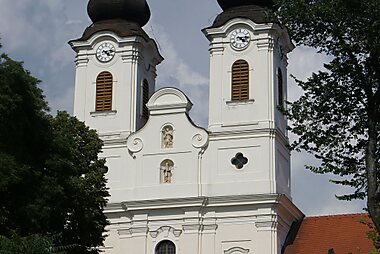



On the Tihany peninsula, the twin-towered Tihany Abbey sits high above the water and is the lake's most photographed landmark — its baroque interior and crypt date back to the 11th century, when the peninsula's founding charter became one of the earliest surviving documents to include Hungarian words. A short walk away, the Tihany Hermit Colony are a cluster of cells cut into the volcanic rock by Orthodox monks centuries ago, reached by a short hiking trail with fine views over the peninsula.
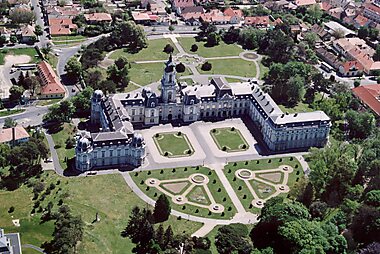
At the lake's western tip, Festetics Castle is a grand baroque palace built by one of Hungary's leading aristocratic families — inside is an opulent library and a music room still used for concerts.
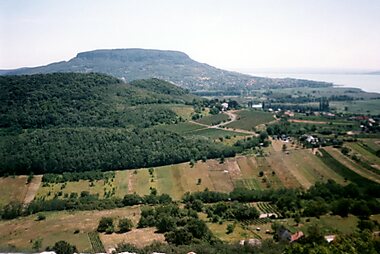
The north shore's volcanic hills carry a string of ruined hilltop castles worth the climb for the views alone. Szigliget Castle looks out over vineyards and the lake from its cone-shaped hill, and it's the only lakeside castle still open to visitors. Csobánc Castle, on a neighboring peak, holds the ruins of a fortress that held off Ottoman sieges.
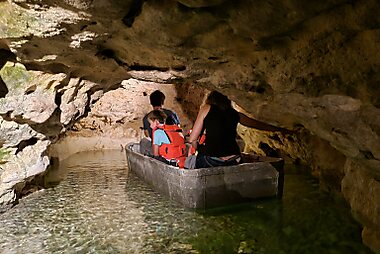
For something underground, the Tapolca Lake Cave near Tapolca lets you drift by boat through a cave system carved by an ancient thermal spring — a cool, quiet detour from the summer heat. And for the region's wilder side, the Balaton Uplands National Park protects the volcanic cones, wetlands, and wildflower meadows scattered around the lake's basin, with marked trails through several of them.
Популярные подборки


Что обязательно попробовать
- Cycle a stretch of the lake circuit. The paved path around Balaton is one of Europe's great lakeside rides — even a short afternoon section between two towns gives a feel for how the shore changes from hill to flatland.
- Taste your way through the Badacsony hills. The volcanic slopes around Badacsonytomaj are lined with small family wineries, many with a terrace looking straight down over the lake — an afternoon of tastings here is a local ritual, not a tourist add-on.
- Take a lavender walk in early summer. The Tihany peninsula's lavender fields bloom in late June and July, drawing visitors for the color and the scent alike.
- Cross the lake by ferry instead of driving around it. The passenger boats between the two shores are a genuine way locals get around, not just a sightseeing cruise, and the crossing itself is part of the fun.
- Soak at a thermal bath. Beyond the swimming lake itself, the region's natural thermal waters — most famously at Hévíz — are a year-round local habit, not just a summer activity.
Экскурсии и активности
Балатон — Карта

 Открыть интерактивную карту
 Поездки на один день
- Veszprém — ≈30 min by car or bus from the north shore. A hilltop baroque old town with a castle district, cathedral, and views over the Bakony hills; easily combined with a morning at Tihany.
- Kis-Balaton — ≈45 min by car from Keszthely. A wetland nature reserve at the lake's western end, once part of Balaton itself, now a haven for herons, egrets, and other waterbirds — good for a few hours of birdwatching or a quiet walk.
- Sümeg — ≈1 hour by car from Keszthely. A small town below one of Hungary's best-preserved hilltop castles, with sweeping views over the Bakony forests.
- Pannonhalma — ≈1.5–2 hours by car or train from the north shore. A UNESCO World Heritage Benedictine monastery founded over a thousand years ago, with a working library and vineyard open to visitors.
- Budapest — ≈1.5–2 hours by car or train from Siófok. Worth the longer trip for travelers who haven't already seen Hungary's capital.
Куда ещё съездить
North shore — hillier, greener, and built around wine and spa towns. Balatonfüred is the north shore's grand old resort, with a lakefront promenade and Hungary's oldest medicinal spring; Tihany, on its peninsula, is the postcard village of the whole lake. Csopak is a small, low-key wine village worth a stop for a cellar tasting, and Badacsonytomaj, at the foot of the flat-topped volcanic hill of the same name, is the heart of the region's white wine country.
South shore — flatter, sandier, and livelier. Siófok is the south shore's biggest resort town, with the widest beaches and busiest nightlife on the lake. Balatonlelle is a quieter, family-friendly alternative a short drive west.
At the lake's western end, Keszthely is the largest town on Balaton and a good base for exploring both the lake and its wine hills, while Hévíz, just inland, sits over the world's largest natural thermal bathing lake.
Как добраться
- By air: Budapest's Liszt Ferenc International Airport is the main gateway, about 1.5–2 hours by car or shared shuttle from the lake's south shore. A small regional airport near Sármellék, on the southwest shore close to Keszthely and Hévíz, handles a handful of seasonal charter flights in summer — check current routes before relying on it.
- By train: Direct trains run from Budapest to the south shore (Siófok and on to Keszthely) and to the north shore (Balatonfüred and on to Badacsony and Tapolca), each taking roughly 1.5–2.5 hours depending on the stop.
- By bus: Long-distance coaches connect Budapest with the main lakeside towns on both shores, a practical backup when trains are full in peak summer weeks.
Транспорт
- Train: A railway line runs along each shore, linking the main towns — the easiest way to move between lakeside destinations without a car. Buy tickets at the station counter or machine, or online in advance through MÁV, the national rail operator.
- Passenger ferry: The year-round Szántód–Tihany crossing links the two shores in about 8 minutes, and seasonal scheduled boats connect several other town pairs in summer. Buy tickets at the pier or in advance through BAHART, the lake's ferry operator.
- Car: Useful for reaching the wine villages and hilltop castles above the shore, which trains don't serve. Expect heavy traffic on the main shore roads on summer weekends.
- Bicycle: A paved cycle path circles almost the entire lake — one of the best ways to see it, and bike rental is available in every town.
Вождение автомобиля
- Is a car worth it? Not essential for staying in one or two towns — trains and the cycle path cover the shore well. A car pays off if you want to reach the hilltop wineries and castles above the lake, which public transport doesn't serve.
- Parking: Most lakeside towns charge for parking near the beaches and centers in summer, paid by app or at machines; free spots get scarce a short walk further out.
- Restrictions: None beyond the usual — main shore roads simply get congested on summer weekends, so allow extra time.
Еда и напитки
Fogas, a local pike-perch, is the lake's signature fish and shows up fried, grilled, or in a paprika-spiced fish soup at restaurants on both shores. The volcanic hills above the north shore — Badacsony above all — produce some of Hungary's best white wines, and a cellar-door lunch paired with the local Olaszrizling or Kéknyelű is worth planning a stop around.
For a casual meal, head for the harbor promenades in Balatonfüred or Siófok, where a cluster of restaurants and lángos stands line the waterfront — a more reliable bet than any single pub inland.
Безопасность и здоровье
Lake Balaton is very safe for tourists — petty theft around crowded beaches in peak season is the main thing to watch for, not violent crime. The bigger hazard is the weather: the lake is shallow and wide open, so summer storms can arrive within minutes and whip up dangerous waves with little warning. Yellow and red flags on the beaches signal swimming conditions — leave the water immediately when a red flag goes up, and check the forecast before renting a boat or paddleboard.
The lake itself averages only a few meters deep, so it warms quickly in summer but also means swimmers should be cautious of sudden drop-offs near a few spots rather than assuming a uniformly shallow bottom everywhere.
История
The Romans called the lake Pelso and built villas along its shores; later, Tihany Abbey became one of Hungary's most important religious sites after King Andrew I founded it in 1055. Its foundation charter, still preserved, is one of the earliest surviving documents to contain written Hungarian words alongside the Latin text.
The lake's modern identity as a holiday destination began in the 19th century, when Balatonfüred's mineral spring drew the country's aristocracy for the waters. Festetics Castle in Keszthely, built up by the Festetics family through that same century, also housed Georgikon, one of Europe's first agricultural academies. Under communist rule after the Second World War, the south shore in particular grew into a mass holiday belt of state-run resorts — the foundation of the busy summer scene you still find in towns like Siófok today.
Факты о стране
Quick practical facts for Hungary at a glance:
- Валюта
- венгерский форинт HUF Ft · Оплата картой · Широко распространены
- Номера экстренных служб
- 112
- Электричество
- 230 В · 50 ГцТип C / Тип F
- Языки
- венгерский
- Водопроводная вода
- Безопасно пить
- Сторона движения
- Правостороннее
- Телефонный код
- +36


Балатон — спланируй свои дни
Преврати места из этого путеводителя в настоящий маршрут с умным расчётом пути, оценкой времени и всем необходимым для отличной поездки.




