


Nagoja
Nagoya is the main city of central Japan. It sits on the Tokaido Shinkansen line between Tokyo and Kyoto.
The city is known for industry and for its own food style. A samurai-era castle, a major Shinto shrine and museums about trains and machines are all easy to reach by subway. Nagoya suits a first trip to Japan with a short list of sights. It also works as a base for day trips to Gifu, Inuyama, Ise and Takayama.

Nagoja – Plánuješ výlet?
Zostav si itinerár deň po dni v aplikácii Tripomatic.


Kedy navštíviť
Spring and autumn are the best seasons, and May and October are the most comfortable months. June to September have the most rainy days. July and August are hot and very humid. Winter is cold and dry, with some frost and light snow in January to March.
The biggest event is the July grand sumo tournament, called the Nagoya Basho. It runs for 15 days at IG Arena in Meijo Park, near the castle. Check the exact dates before you plan, because they change each year.
Najlepší čas na návštevu: máj, október
Hlavné pamiatky
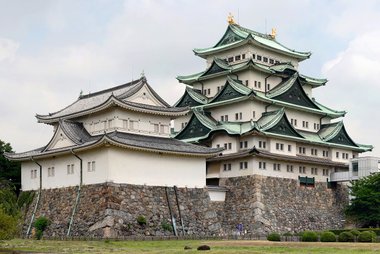

- Nagoya Castle was the seat of the Owari branch of the Tokugawa family. Most of it burned in the 1945 air raids. The concrete keep dates from 1959. It has been closed to visitors since 2018. The rebuilt Honmaru Palace is open and has painted sliding doors and shogun's rooms.
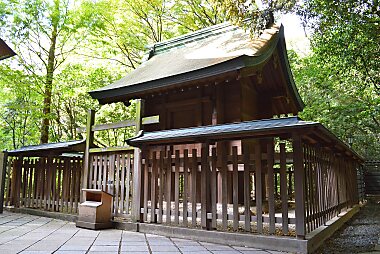
- Atsuta Shrine is one of Japan's most important Shinto shrines. It keeps the Kusanagi sword, one of the three Imperial Regalia. The sword is never shown to the public. The grounds are free and always open, and the Kusanagi-kan museum shows historic swords.
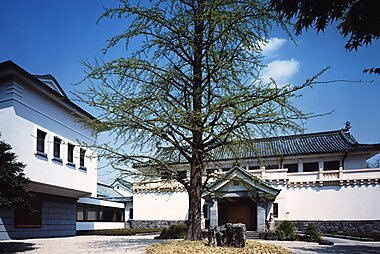
- Tokugawa Art Museum holds the Tokugawa family collection. It includes the national treasure Tale of Genji picture scrolls, which are shown only during special displays. It also has armour, swords and lacquerware.
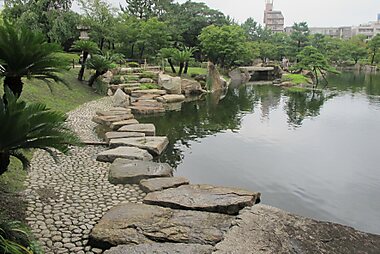
- Tokugawa Garden is a Japanese garden next to the art museum. Visit both on the same trip.
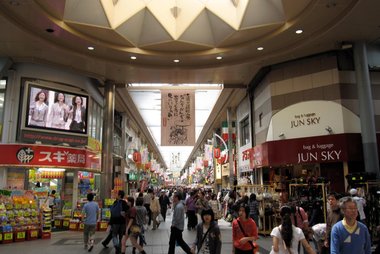
- Osu Shopping Street is a covered arcade of more than 400 shops and restaurants. It is known for electronics, anime goods and cosplay. The Osu Kannon temple is next to it.
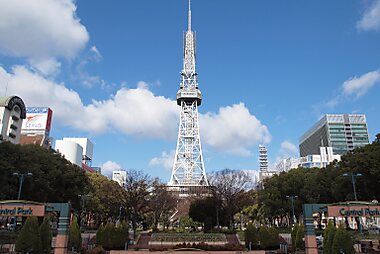
- Nagoya TV Tower stands in Sakae and was built in 1954. It has an indoor deck 90 m up and an outdoor balcony at 100 m. It is lit up from sunset to midnight.
- Toyota Commemorative Museum of Industry and Technology has a textile machinery pavilion and an automobile pavilion. Both show real machines at work. It is closed on Mondays.
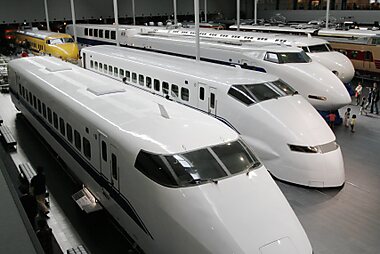
- SCMAGLEV and Railway Park has 39 trains and train cars, including maglev trains. Many can be entered. It also has train simulators and a large model railway. It is closed on Tuesdays. Legoland Japan is nearby and suits families with children aged 2 to 12.
Odporúčané zoznamy


Čo zažiť
- Watch a day of grand sumo at the Nagoya Basho in July. The venue is IG Arena in Meijo Park, a 5-minute walk from Meijo Koen subway station.
- Browse the flea market at the Osu Kannon temple on the 18th of each month. It has about 60 stalls with antiques, clothes and second-hand goods.
- Go up Nagoya TV Tower at dusk. The outdoor balcony shows the Sakae district as the tower lights come on.
- Join an evening cormorant fishing boat on the Nagara River in Gifu between May and mid-October.
Prehliadky a aktivity
Nagoja — Mapa

 Otvoriť interaktívnu mapu
Jednodňové výlety
Nagoya is a good base for day trips by train. Trips are listed from closest to farthest, with one-way times from Nagoya Station.
- Inuyama: about 30 minutes on the Meitetsu line. Its small hilltop castle has a keep from the 1500s that is a National Treasure. Only five castle keeps in Japan have this status.
- Gifu: about 20 minutes by JR train. Cormorant fishing on the Nagara River runs in the evenings from May to mid-October. It is cancelled when the river is high.
- Seto: about 45 minutes by JR and Meitetsu trains. Seto has made ceramics for more than 1,000 years. The Setogura Museum shows the history of Seto ware.
- Ise: about 80 minutes on the Kintetsu limited express. Ise is the home of the Ise Shrines, one of Japan's holiest sites.
- Takayama: about 2.5 hours on the JR Hida limited express, with several trains a day. This is a long day trip. An overnight stay is easier.
- Kyoto: about 35 minutes on the Nozomi shinkansen.
Kam sa vybrať
Ako sa tam dostať
- By air: Chubu Centrair International Airport (NGO) handles international flights and most domestic flights. The Meitetsu μ-SKY limited express reaches Nagoya in about 30 minutes and needs a reserved seat ticket. The total fare is about 1,400 yen. The Japan Rail Pass is not valid on Meitetsu trains. Official site: Chubu Centrair Airport.
- By train: Nagoya Station is on the Tokaido Shinkansen. The Nozomi takes about 100 minutes from Tokyo, about 50 minutes from Osaka and about 35 minutes from Kyoto. Cities: Tokyo, Osaka, Kyoto. Kodama trains stop more often and take about 3 hours from Tokyo.
- From the mountains: the JR Hida limited express runs several times a day to Takayama, a ride of about 2.5 hours.
Doprava na mieste
- Subway: six colour-coded lines with English signs. The Higashiyama line links the station with Sakae, and the Meijo line reaches the castle. Tap a Manaca, Suica or other IC card at the gate. Credit card tap-to-pay also works at all subway stations.
- Day passes: the 24-hour Subway Pass costs 760 yen. The 1-Day Bus and Subway Pass costs 870 yen.
- Subway to the castle: about 15 minutes from Nagoya Station, with one change.
- Meguru bus: a tourist loop bus from Nagoya Station to the main sights. A ride costs 210 yen and a day pass costs 500 yen. It does not run on Mondays.
- Aonami Line: this train links Nagoya Station with the port area in about 25 minutes. It serves the railway museum and Legoland Japan, and it is not covered by the Japan Rail Pass.
- On foot: central Nagoya is flat. The station area, Sakae and Osu are each easy to walk. The castle, museums and port are far apart, so use the subway between them.
More visitor information: Visit Nagoya.
Šoférovanie
- Is a car worth it? Not for a city stay. The subway and trains cover the sights and the day trips, and cars drive on the left.
- Permit: Japan accepts only a booklet-type International Driving Permit under the 1949 Geneva Convention. Card and phone versions are not valid.
- Licence translation: licences from Switzerland, Germany, France, Belgium, Monaco and Taiwan need an official Japanese translation from the Japan Automobile Federation (JAF). Applications are online only and only from within Japan. They take 2 to 3 business days.
- Tolls: expressways charge tolls. Ask your rental company for an ETC card to pay automatically.
Jedlo a pitie
Nagoya has its own food style, called Nagoya meshi. Look for these dishes:
- Hitsumabushi: grilled eel on rice, eaten in stages. Expect about 2,000 to 3,000 yen.
- Miso katsu: a pork cutlet with a thick miso sauce.
- Tebasaki: fried chicken wings, common in izakaya.
- Kishimen: flat wheat noodles in a fish-based broth.
- Miso nikomi udon: thick udon cooked in miso soup in a clay pot.
- Ankake spaghetti and Taiwan ramen: spicy dishes created in Nagoya. Taiwan ramen did not come from Taiwan.
- Ogura toast: toast with sweet red bean paste and butter. Coffee houses serve it.
Restaurants cluster around Nagoya Station and Sakae. The Osu arcade also has many places to eat.
Bezpečnosť a zdravie
Nagoya is a safe city for visitors. Use normal care with bags in crowded stations. Emergency numbers are in the facts below.
- Heat: July and August are hot and very humid. Drink water often and plan indoor stops in the afternoon.
- Typhoons: most typhoons reach Japan between May and October, with a peak in August and September. They can stop trains and flights, so keep a flexible plan then.
História
Nagoya's story is tied to the Sengoku period, the age of warring lords. The lord Oda Nobunaga was born in this region. In 1560 his small army beat the much larger army of Imagawa Yoshimoto at the Battle of Okehazama, in what is now the Midori Ward of Nagoya. Nobunaga prayed at Atsuta Shrine before the fight. Toyotomi Hideyoshi is said to have been born in Nakamura Park, where a shrine now stands.
After the wars, the Tokugawa family built Nagoya Castle in the early 1600s. Tokugawa Ieyasu's ninth son, Yoshinao, became the first lord of Owari. The family collection that began with him is now in Tokugawa Art Museum.
Air raids in 1945 destroyed the castle keep and the palace. The keep was rebuilt in concrete in 1959. The palace was rebuilt with traditional methods and opened fully in 2018. Toyota Commemorative Museum of Industry and Technology shows the textile and car industry of the region.
Fakty o krajine
Here are the essentials for traveling in Japan:
- Mena
- japonský jen JPY ¥ · Platby kartou · Bežne prijímané
- Elektrina
- 100 VTyp A / Typ B
- Jazyky
- japončina
- Voda z vodovodu
- Pitná
- Jazdná strana
- Vľavo
- Predvoľba
- +81


Nagoja – Naplánuj si jednotlivé dni
Premeň miesta z tohto sprievodcu na skutočný itinerár s inteligentným plánovaním trás, časovými odhadmi a všetkým potrebným pre dokonalý výlet.


Súvisiace destinácie


Data: © OpenStreetMap contributors, Wikidata, Wikipedia, Tripomatic, Official websites, geoBoundaries (CC BY 4.0). Tours by GetYourGuide. We earn commission from bookings. Travel guide generated with AI.
Naplánuj si výlet s Tripomatic
- Plánovanie s pomocou AIZískaj hotový plán na celý deň jedným ťuknutím, nechaj AI rozvrhnúť tvoj zoznam nápadov do celého výletu alebo si všetko naplánuj cez chat.
- Cestovné upozorneniaOficiálne odporúčania, nepriaznivé počasie, štrajky a prírodné hrozby pre miesta na každý deň tvojho výletu.
- Štátne sviatky a udalostiZisti, aké sviatky, festivaly a uzávery pripadajú na dni tvojho výletu a čo znamenajú pre tvoje plány.
- Odhad nákladovAI odhad nákladov na výlet, aby si vopred vedel, s akým rozpočtom počítať.
- Prehliadky a vstupenkyRezervuj si prehliadky, prednostné vstupenky a aktivity priamo vo svojom pláne.