


В'єкес
Vieques is a small, quiet island about 13 km off the east coast of Puerto Rico. Most of it is green hills, dry forest and empty beaches, because the US Navy held much of the land for six decades. Today much of that land is a national wildlife refuge, and buildings on the island are low and small-scale. There are two small towns: Isabel Segunda on the north coast, with the ferry pier, and Esperanza on the south coast, with its seafront promenade. Wild horses walk along the roads and through both towns.
People come for long beach days, snorkelling and one of the brightest bioluminescent bays in the world. It suits a slow trip of a few nights, with a rental car and no fixed plans. Life is calm, many places close early, and evenings are about dinner and the night sky.

В'єкес — Плануєш подорож?
Створи свій щоденний маршрут у додатку Tripomatic.


Коли їхати
It is warm all year. December to April is the driest and busiest season, so book cars and rooms early. From May to November it is hotter and wetter, and the Atlantic hurricane season runs from June to November.
For the bioluminescent bay, time your trip around the new moon. The glow is much brighter on dark nights with little moonlight. The biggest local event is the patron saint festival of Our Lady of Mount Carmel in July, with parades, food stalls and live music.
Головні пам'ятки
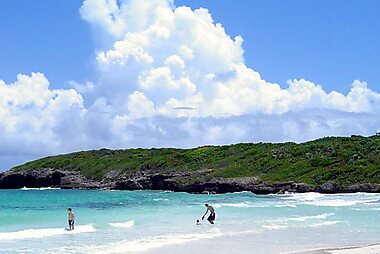


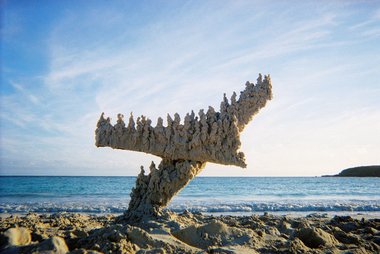
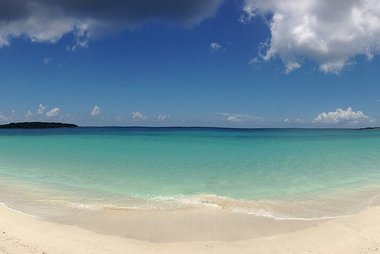

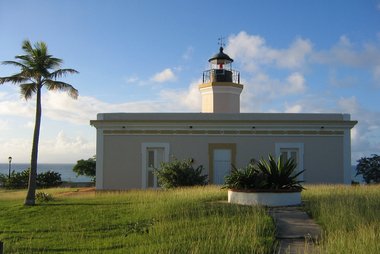
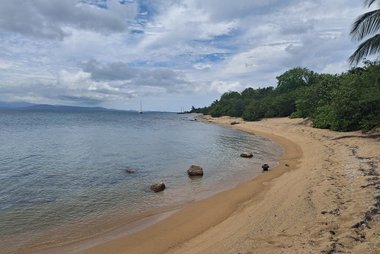
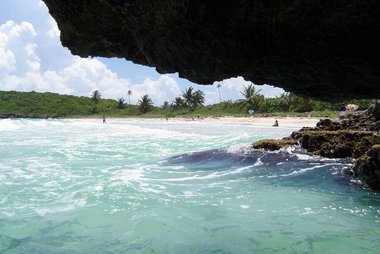

The island's highlights are its bay and its beaches. Most beaches have no lifeguards and few or no services, so bring water, food and shade.
- Mosquito Bay (Bioluminescent Bay) is the reason many people come. Tiny organisms in the water glow blue when you move it. You can visit only at night on a guided kayak or boat tour, and swimming is not allowed.
- Playa Caracas is the best-known beach in the wildlife refuge, east of Esperanza. It has calm, clear water, picnic shelters and a paved road to the sand.
- Playa Chiva is a long beach further east in the refuge, with many separate entrances along a gravel road. Pick an entrance and you may have a stretch of sand to yourself.
- Sun Bay Beach is a wide public beach near Esperanza with palm trees, parking and basic facilities. It is the easiest beach for families.
- Playa Media Luna is a small, very shallow bay just east of Sun Bay, good for small children. At the end of the same rough road, Navio Beach is a cove with rocky cliffs and stronger waves, better for good swimmers.
- Punta Arenas (Green Beach) is on the far west tip of the island, with reefs close to shore for snorkelling and views across to the main island.
- Fuerte de Vieques is a small Spanish fort from 1845 on the hill above Isabel Segunda. It now holds the island's museum of art and history.
- Punta Mulas Light is a restored 19th-century lighthouse above the Isabel Segunda harbour, with a small maritime museum.
Що варто спробувати
A few things that make a stay on Vieques special:
- Paddle the glowing bay: on a dark night, join a guided kayak tour of Mosquito Bay (Bioluminescent Bay) and watch every paddle stroke and fish leave a trail of blue light.
- Meet the horses: semi-wild horses roam freely across the island. You will see them grazing by the road, on beaches and in town. Do not feed or touch them.
- Snorkel from the shore: reefs and sea grass near the beaches are home to sea turtles and many fish.
- Sunset on the malecón: in the evening, walk the seafront promenade in Esperanza, then stay for dinner at one of the open-air restaurants.
- Find the black sand: Playa Negra, west of Esperanza, is a small beach of dark sand, reached by a short walk from the road.
- See the great ceiba tree: a huge ceiba tree, several centuries old, stands near the north-west coast and is a local landmark.
Екскурсії та активності
В'єкес — Карта

Одноденні поїздки
Vieques is small, and most visitors stay on the island. These trips are worth it if you have an extra day.
- Culebra (a short flight, or a ferry back through Ceiba): a smaller sister island with Flamenco Beach, a famous white-sand beach.
- Ceiba and the east coast of the main island (ferry to Ceiba, then by car): on the way back, you can stop at the El Yunque National Forest, a short drive from the Ceiba ferry terminal.
Що дослідити поруч
Vieques is part of Puerto Rico. Most visitors arrive through its capital.
- San Juan has the main international airport, the old walled town and its Spanish forts. Many people spend a night or two there before or after the island.
Як дістатися
- By air: Antonio Rivera Rodríguez Airport (VQS) is a small airport on the west side of the island. Small propeller planes fly from San Juan's Luis Muñoz Marín International Airport (SJU), from Isla Grande Airport in San Juan, and from Ceiba. This is the easiest option if you land in San Juan with luggage.
- By ferry: passenger ferries leave from the terminal in Ceiba, on the east coast of the main island, and arrive at the town pier in Isabel Segunda. The crossing takes about 30–45 minutes. Buy tickets online in advance with Puerto Rico Ferry, because boats fill up at weekends and holidays.
- Your car: visitors generally cannot take a car on the ferry, and most rental companies on the main island do not allow it. Park at the Ceiba terminal and rent a car on Vieques.
Транспорт і пересування
- Rental car or jeep: this is the most practical way to reach the beaches. Rent from a local company on the island and book weeks ahead in high season, because cars run out.
- Públicos and taxis: shared vans (públicos) and taxis serve the ferry pier and the airport. They are useful for transfers, but less so for beach-hopping, so agree the price before you leave.
- Golf carts: some companies rent them for short trips around the towns and to nearby beaches.
- On foot and by bike: you can walk around Esperanza and Isabel Segunda. Distances between the beaches are long, so cycling is hard work.
Водіння авто
- Car: you need one. The beaches are spread out and there is little public transport. A small 4x4 or jeep helps on the gravel roads in the refuge and to the south-coast coves.
- Roads: roads are narrow, and some beach roads are rough. Drive slowly, especially at night, because horses often stand on the road.
- Parking: parking at the beaches is free. Never leave valuables in the car, because break-ins at beach car parks are common.
- Fuel: fill up in town before a long beach day.
Їжа та напої
Eating on Vieques is simple and relaxed. Look for fresh fish and seafood, mofongo, and fried snacks such as empanadillas and alcapurrias. Many places are small, open-air and family-run.
Most restaurants are along the malecón in Esperanza and in the streets of Isabel Segunda, near the ferry pier. Opening days and hours vary, and many places close early or for some weeks outside high season, so check before you drive across the island. Shops are small and prices are higher than on the main island, because almost everything arrives by boat.
Безпека й здоров'я
Vieques is a safe and quiet island. The main risk for visitors is theft from cars and bags left on the beach.
- Closed areas: parts of the former Navy land are still closed because of unexploded bombs. Never enter fenced or signed areas, and never touch metal objects you find on beaches or trails.
- Valuables: leave nothing in a parked car, and keep the windows down so thieves do not break them.
- The sea: most beaches have no lifeguards, and some have strong waves and currents. Swim with care, and avoid rough beaches with children.
- Sun and supplies: shade is rare on many beaches. Carry plenty of water and sunscreen.
- Medical care: a new health centre with emergency services was inaugurated in September 2026, but services on the island are still limited. Bring any medicines you need.
- Hurricanes: check the forecast before you travel in hurricane season.
Історія
People lived on Vieques for thousands of years before Europeans arrived. A burial found near Puerto Ferro dates from around 1900 BCE. Later, the Taíno lived here, and the name of the island comes from a Taíno word meaning "small island".
Spain only settled the island in the 19th century. The main town, Isabel Segunda, was founded in the 1840s and named after Queen Isabel II. The Spanish built Fuerte de Vieques above it in 1845, and Punta Mulas Light was lit in 1896. Sugar plantations were the base of the economy until the 20th century.
In 1941, the US Navy took over most of the island for training and as a bombing range. In 1999, a local security guard, David Sanes, was killed by a stray bomb. His death led to years of protests across Puerto Rico, and the Navy left in 2003. Most of its land became the national wildlife refuge, where today's best beaches are.
Факти про країну
Quick practical facts for Puerto Rico at a glance:
- Валюта
- долар США USD $ · Оплата карткою · Приймаються майже всюди
- Номери екстрених служб
- 911 Поліція · Швидка допомога · Пожежна охорона
- Електроенергія
- 120 В · 60 ГцТип A / Тип B
- Мови
- іспанська, англійська
- Водопровідна вода
- Безпечна для пиття
- Сторона руху
- Праворуч
- Телефонний код
- +1


В'єкес — Додати до подорожі
Створи детальний маршрут подорожі з розумною навігацією, розрахунком часу та всім необхідним для ідеальної поїздки.


Схожі напрямки
Інші напрямки
Data: © OpenStreetMap contributors, Wikidata, Wikipedia, Tripomatic, Official websites, geoBoundaries (CC BY 4.0). Tours by GetYourGuide. We earn commission from bookings. Travel guide generated with AI.
Плануй подорож разом із Tripomatic
- Планування на основі ШІДозволь ШІ побудувати твій маршрут, відповісти на запитання про поїздку та впорядкувати бронювання.
- Сповіщення для мандрівниківОфіційні попередження, негода, страйки та природні небезпеки для місць на кожен день подорожі.
- Державні свята та подіїДізнавайся про свята, фестивалі та вихідні в дні твоєї поїздки та про те, як вони можуть вплинути на плани.
- Оцінка витратРозрахунок витрат на поїздку за допомогою ШІ допоможе заздалегідь визначити бюджет.
- Екскурсії та квиткиБронюй екскурсії, квитки без черги та цікаві активності просто у своєму плані.