


聖塔芭芭拉-山美納
Samaná is a small harbour town on a wide, calm bay in the north-east of the Dominican Republic. It sits on a green peninsula of hills, coconut palms and quiet beaches, far from the big all-inclusive strips of the south-east. Life moves slowly along the waterfront, and fishing boats and tour boats share the same piers.
Most visitors come for the humpback whales, which arrive in the bay every winter, but the town is also a good base for the whole peninsula. From here you can take a boat to a palm-covered island, hike or ride to a jungle waterfall, cross the bay to a national park of mangroves and caves, or drive to some of the country's wildest beaches. It suits travellers who like nature, boat trips and a relaxed small-town pace.

聖塔芭芭拉-山美納 – 正在规划旅行?
在 Tripomatic 应用中按天构建您的行程。


最佳旅行时节
Samaná is warm all year. Short tropical showers can come in any month, and the late summer and autumn are the hottest and wettest time, with the Atlantic hurricane season running from June to November. The winter months are a little cooler and more comfortable.
The big event is the humpback whale season, from mid-January to the end of March. Humpback whales come into the bay to mate and give birth, and boat trips to see them leave every morning. Plan a winter trip around these weeks and book whale watching a few days ahead.
热门景点


The town's sights are small and close together on the waterfront. The big highlights are a short boat ride or drive away.
- Samaná Bridges are a chain of footbridges that link the shore to two small islands in the bay. Walk out in the late afternoon for views back over the town and the anchored boats.
- Malecón is the waterfront promenade, with restaurants, the main piers and the boats for Cayo Levantado and whale watching.
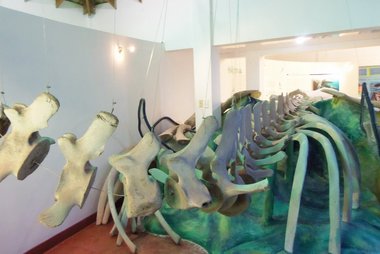
- Whale Museum of Samana explains the life of the humpback whales that visit the bay. It is a good stop before a whale-watching trip, or on a day when the sea is rough.
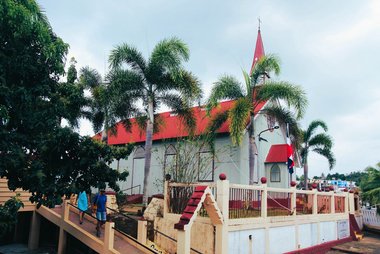
- La Churcha (Iglesia Evangélica San Pedro) is a wooden church made in England and put together here more than a century ago. It belongs to the community of descendants of African American settlers, and is the town's best-known historic building.
- Cayo Levantado is a small island with white sand and clear water, a short boat ride from the town. A resort hotel takes up much of it, and day visitors use the public beach.
- El Limón Waterfall drops about 40 metres into a deep pool in the forest. You reach it on foot or on horseback from the villages near El Limón, and you can swim at the bottom.
- Rincon Beach is a long, wild beach of pale sand and coconut palms on the north coast near Las Galeras. It has few facilities.
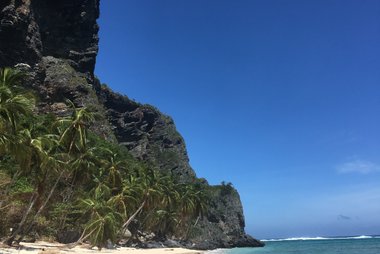
- Playa Fronton is a remote beach under high cliffs, reached by boat or a long walk from Las Galeras. The reef in front of it is good for snorkelling.
特色体验
The bay sets the rhythm of a stay in Samaná. These are the things to do here, rather than just see.
- Whale watching (in season): take a licensed boat into the bay to watch humpback whales breach, slap their tails and swim with their calves. Morning trips last a few hours. The sea can be choppy, so take seasickness tablets if you need them.
- Paddling through the mangroves: some tours of Los Haitises include a kayak trip through the quiet mangrove channels, where you can see pelicans and frigatebirds.
观光与活动
聖塔芭芭拉-山美納 — 地图

一日游
The whole peninsula is within easy reach of Samaná, and the bay itself is a route to one of the country's most unusual parks.
- Las Galeras (about 40 minutes by car or guagua): a quiet fishing village at the eastern end of the peninsula. Use it as a base for boat trips to the nearby beaches, or visit Boca del Diablo, a blowhole in the coastal rocks.
- Playa El Valle (a short drive north of town on a steep road): a wild, empty beach on the north coast, backed by forested hills. The sea is often rough, so it is better for the view than for swimming.
- Las Terrenas (about 1 hour by car): a lively beach town on the north coast, with long sandy beaches, cafés and a strong French and Italian influence.
- Los Haitises National Park (by boat across the bay): a park of steep limestone hills, mangrove channels and caves with Taíno rock drawings. You can only visit by boat, usually on a guided tour from Samaná.
周边探索
Samaná is the main town of Samaná Province.
- Around the peninsula: Las Galeras and Las Terrenas are the other two bases for a beach stay. Cayo Levantado is the island in the bay.
- Nature: Monumento Natural Salto El Limón protects the waterfall and its forest. Parque Nacional Los Haitises lies across the bay, and Sabana de la Mar is the small town on the bay's southern shore.
- Further away: Santo Domingo, the capital, is the main arrival point for most visitors.
如何到达
- By air: Samaná El Catey International Airport (AZS) is the closest, west of town. It has mostly seasonal flights from Canada and some from Europe. Many visitors fly into Santo Domingo's Las Américas International Airport (SDQ) instead, about 2.5 hours away by car. Take a taxi or a pre-booked transfer from either airport.
- By bus: Caribe Tours runs coaches from Santo Domingo to its station in town. The trip takes about 2.5 to 3 hours.
- By car: highways link Santo Domingo with the peninsula.
当地交通
- On foot: the town centre, the Malecón and the bridges are all close together and easy to walk.
- Guaguas (minibuses): shared minibuses link the town with Las Galeras, Las Terrenas and Sánchez. Pay the driver in cash, in Dominican pesos.
- Motoconchos and taxis: motorbike taxis are the usual way to make short trips around town. Agree the price before you get on. Taxis cost more but are safer for longer trips and at night.
- Boats: boats to Cayo Levantado, Los Haitises and whale watching leave from the Malecón piers. Most trips are booked as tours.
自驾指南
- Do you need a car? Not for the town itself. A car is useful if you want to explore the beaches and villages of the peninsula at your own pace.
- Road conditions: roads are narrow and winding, with sharp bends, potholes and speed bumps. Some beach roads are unpaved and need a high car. Watch for motorbikes, animals and people on the road, and avoid driving after dark.
- Parking: street parking is available in town. Fill up with fuel in town before heading to remote beaches.
美食与饮品
Samaná's signature dish is pescado con coco, fresh fish cooked in a sauce of coconut milk, garlic and herbs. Coconut appears in many local dishes, from rice to sweets, because palms cover the peninsula. Seafood is fresh and simple: grilled fish, shrimp and lobster when in season.
For the best choice, eat along the Malecón, where small restaurants face the bay. On the beaches of the peninsula, simple shacks serve fried fish, tostones and cold beer straight from the boat.
安全与健康
Samaná is a relaxed and generally safe town for visitors. Take normal care with valuables, especially on beaches and at night, and do not leave bags alone on the sand.
The most common problem is pressure from touts on the Malecón selling tours. Book whale watching with a licensed operator, and agree prices for boats, horses and motoconchos before you start. Motoconcho riders often have no helmet for passengers. The sea on the north coast beaches can have strong currents, so swim only where it is calm. Use strong sun protection and insect repellent, especially on forest trips.
历史
Spanish authorities founded the town in 1756 with families from the Canary Islands. They named it Santa Bárbara de Samaná after the Spanish queen, Barbara of Braganza.
The town's most unusual chapter began in 1824. Haiti then ruled the whole island, and President Jean-Pierre Boyer invited free Black Americans to settle there. Many families made their home in Samaná. Their descendants still keep some of their traditions, and a few older people speak a form of English known as Samaná English. La Churcha (Iglesia Evangélica San Pedro) is the clearest reminder of this community.
The deep, sheltered bay made Samaná a prize for foreign powers. Between 1869 and 1874 American interests tried first to annex the country and then to lease the peninsula, but both plans failed. Today the same bay is a protected area for the humpback whales that return each winter.
国家概况
Quick practical facts for the Dominican Republic at a glance:
- 货币
- 多米尼加比索 DOP · 刷卡支付 · 普遍接受
- 紧急求助电话
- 911
- 用电规格
- 110 V · 60 HzA 型插头 / B 型插头
- 语言
- 西班牙语
- 自来水
- 不可直接饮用
- 行车方向
- 靠右行驶
- 国际区号
- +1809




相关目的地


Data: © OpenStreetMap contributors, Wikidata, Wikipedia, Tripomatic, Official websites, geoBoundaries (CC BY 4.0). Tours by GetYourGuide. We earn commission from bookings. Travel guide generated with AI.