


图卢姆
Tulum is a beach town on the Caribbean coast of the Yucatán Peninsula. It has white sand, clear water and a Maya walled city built on a cliff above the sea. Inland, the jungle hides hundreds of cenotes, which are natural limestone swimming holes.
The town works well for a relaxed beach trip of three to five nights. Many visitors combine ruins, cenotes and beach days. The area is spread out, so plan how you will move between the beach road, the town and the sights.

图卢姆 – 正在规划旅行?
在 Tripomatic 应用中按天构建您的行程。


最佳旅行时节
The dry season from December to April is the best time. Days are warm and sunny, and the sea is calm. It is also the busiest and most expensive period.
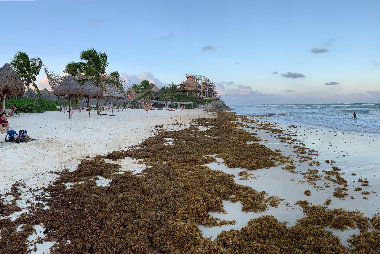
May to October is hot, humid and rainy. Hurricane season runs from June to November. Seaweed (sargassum) can cover the beaches from spring to autumn, so check conditions before you book.
Many visitors time a trip for the Day of the Dead on 1–2 November, when altars and events appear in the region.
热门景点
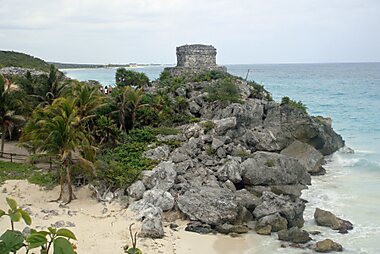
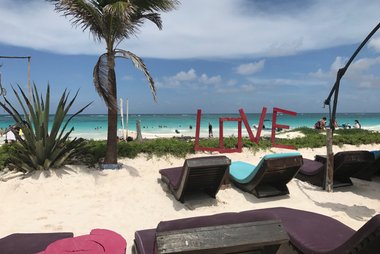
- Zona Arqueológica de Tulum is a Maya port city on a sea cliff, built in the 13th to 15th centuries. Go when it opens to avoid heat and crowds. A path leads down to a small beach below the walls.
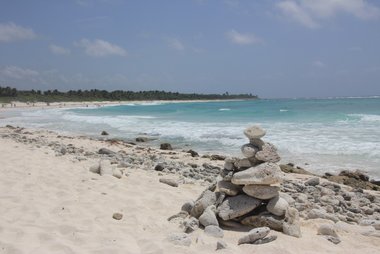
- Playa de Tulum is the long public beach along the town's coast. Beach clubs and hotels line most of it, with public access points between them.
- Playa Paraiso is a quieter beach near the ruins, with calm, shallow water.
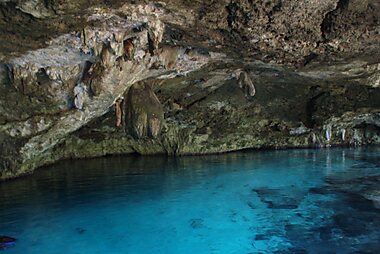
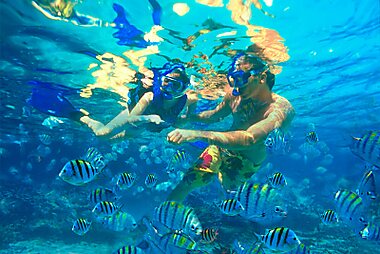
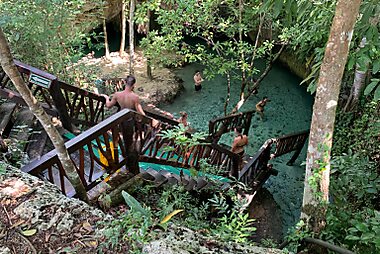
- Gran Cenote is a large cenote with clear water, turtles and caverns. It is a popular snorkelling stop close to town.
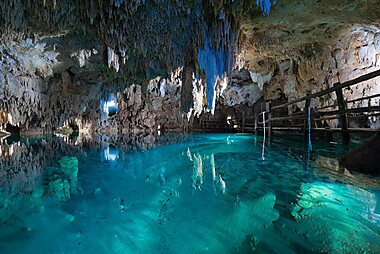
- Cenote Dos Ojos is part of a huge underwater cave system. It is good for snorkelling and for certified cave divers.
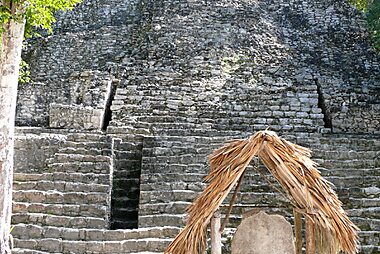
- Zona Arqueológica Cobá is a Maya site in the jungle with a tall pyramid. You can rent a bike or a pedicab to move between the groups of ruins.
- Xel-Há is a large eco-park with an inlet, snorkelling and family activities. It suits a full day out.
精选榜单


Mayan Ruins and Archaeological Sites
This collection features the prominent Mayan archaeological sites of Tulum and Coba. Tulum is a 14th-century fortified seaside city known for its well-preserved limestone structures overlooking the Caribbean. Coba, located deeper in the jungle, offers a vast network of stone causeways (sacbeob) and massive pyramids, including the 42-meter-tall Nohoch Mul. The sites showcase diverse architectural styles, intricate stone carvings known as stelae, and residential palaces belonging to the ancient Maya elite.
20 个地点
Beaches and Coastal Resorts
This selection spans the Tulum coastline, from the expansive sands near the Mayan ruins to the secluded turtle nesting grounds of Xcacel. The region is defined by white limestone sand and clear Caribbean waters. Highlights include Caleta Tankah, where freshwater cenotes meet the sea, and Akumal Bay, a protected area for green sea turtles. These sites offer a mix of undeveloped natural retreats and established wellness resorts along the Riviera Maya.
8 个地点
特色体验
- Watch the sunrise on the beach before the heat starts. The coast faces east.
- Snorkel with turtles in the bay at Akumal. Use reef-safe sunscreen and keep your distance from the animals.
- Join a boat tour through the lagoons and mangroves of Sian Ka'an.
- Try a temazcal, a traditional steam bath ritual, offered by several local guides.
- Swim in a cenote at Cenote Kaan Luum, a quiet lagoon with changing colours.
观光与活动
图卢姆 — 地图

一日游
Tulum is a good base for day trips by car or tour.
- Punta Allen and Sian Ka'an: about 1.5 to 2 hours by road on a rough track. A boat tour shows lagoons, mangroves and wildlife.
- Akumal: about 30 minutes by car. Snorkel in the bay where green turtles feed.
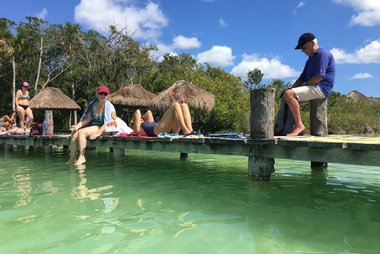
- Bacalar: about 2.5 hours by car. A lake with blue water, good for a long day.
- Chichén Itzá: about 2 hours by car. It is the best-known Maya site in Mexico.
- Valladolid: about 1.5 hours by car. A colonial town with cenotes and a quiet centre.
- Playa del Carmen: about 1 hour by bus or car. Use it for shopping, nightlife or ferries to Cozumel.
周边探索
Other places on this coast you can visit from Tulum:
- Playa del Carmen for restaurants, shops and the ferry to Cozumel.
- Cancún for the main international airport and big resorts.
- Bacalar for lake life in the south.
- Sian Ka'an for a protected coastal reserve.
如何到达
- By air: Tulum has its own airport (TQO), about 25 minutes from the town. Cancún airport (CUN) has far more flights. It is about 1.5 to 2 hours away by road.
- By train: The Tren Maya stops in Tulum. It links the town with Cancún and with Mérida and other cities in the region.
- By bus: ADO coaches run between Tulum, Cancún airport, Playa del Carmen and Mérida. The bus station is in the town centre.
- Shared vans: Colectivo vans run to Playa del Carmen along the highway. They are cheap and frequent.
- Transfers: Book a taxi or shuttle from the airport to your hotel in advance. Fares are set by zone.
当地交通
- Taxi: Taxis are the main way to reach the beach road and the hotel zone. There are no meters, so agree the fare before you start. Ride-hailing apps are often restricted in Tulum.
- Bike: Rent a bike to ride between the town and the beach. A bike path runs along part of the beach road.
- Car: A rental car makes cenotes and Cobá easy to reach. See the driving section.
- Colectivos: Shared vans run along the highway to nearby towns and cenotes.
自驾指南
- Is a car worth it?: Useful if you want to visit cenotes, Cobá and Sian Ka'an on your own schedule. Not needed if you stay in town and use taxis and bikes.
- Parking: Hotels and beach clubs usually have parking. In town, use paid lots.
- Restrictions: Police checkpoints on the highway are common. Keep your passport copy and rental papers with you. Speed bumps (topes) appear without warning.
美食与饮品
Seafood and Yucatán dishes are the main local food. Try cochinita pibil, ceviche and fish tacos. Fresh juices are everywhere.
The town centre along Avenida Tulum has the best range at fair prices. The beach road has more expensive restaurants and beach clubs. Many places add a service charge, so check the bill before you tip.
安全与健康
Tulum is generally safe for visitors who use normal care. Petty theft happens on beaches and at cenote car parks, so do not leave bags unattended.
- Use only licensed taxis and agree the fare first.
- Drink bottled or purified water.
- Use strong sunscreen. Reef-safe, biodegradable sunscreen is required at most cenotes.
- Currents can be strong on some beaches. Follow the flag colours.
- Carry cash in small notes. Some small shops and taxis do not take cards.
历史
The Maya built Tulum as a walled port town. It traded by sea and was active until the Spanish arrived in the 16th century. The wall, the temples and the watchtower still stand at Zona Arqueológica de Tulum.
Inland, Zona Arqueológica Cobá was a much larger Maya city. Its network of stone roads linked it to other cities. Tulum itself stayed a small fishing village until tourism grew in the late 20th century.
国家概况
Quick practical facts for Mexico at a glance:
- 货币
- 墨西哥比索 MXN $ · 刷卡支付 · 广泛接受
- 紧急求助电话
- 911 报警电话 · 急救电话 · 火警电话
- 用电规格
- 127 V · 60 HzA 型插头 / B 型插头
- 语言
- 西班牙语
- 自来水
- 不可直接饮用
- 行车方向
- 靠右行驶
- 国际区号
- +52




相关目的地


Data: © OpenStreetMap contributors, Wikidata, Wikipedia, Tripomatic, Official websites, geoBoundaries (CC BY 4.0). Tours by GetYourGuide. We earn commission from bookings. Travel guide generated with AI.