


Chiang Rai
Chiang Rai is the northernmost major province of Thailand, with misty mountains, tea hills and the Mekong River on its borders with Laos and Myanmar. The provincial capital is a small, relaxed city, known for its modern art temples and night market.
Chiang Rai is a good base for a few days of temples, art, mountain views and day trips to the Golden Triangle. It is quieter and less crowded than Chiang Mai.

Chiang Rai – Planst du eine Reise?
Erstelle deine Reiseroute Tag für Tag in der Tripomatic-App.


Beste Reisezeit
The best time is from November to February, when days are cool and dry and skies are clearer. Mountain nights can be cold.
March to April is hot, and burning of fields can cause smoky air. The rainy season runs roughly from May to October, with green hills and wet roads.
Beste Reisezeit: Januar, Dezember
Top-Sehenswürdigkeiten
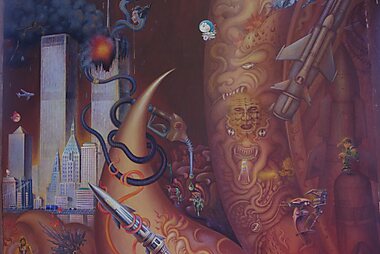


- White Temple is a striking white temple covered in mirrored glass and detailed sculptures. It is Chiang Rai's most famous sight.
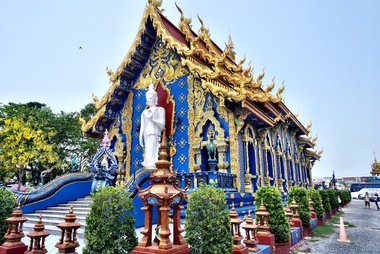
- Blue Temple is a bright blue temple with gold details, a short drive from the city center.
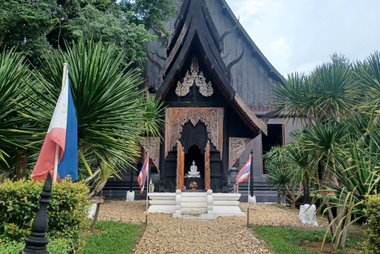
- Black House is a dark museum and art complex with wooden buildings and animal-themed art.
- Wat Huay Pla Kang is a hilltop temple with a tall white Guanyin statue and a nine-story tower.
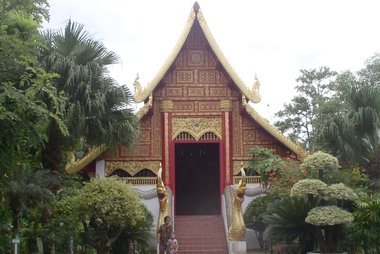
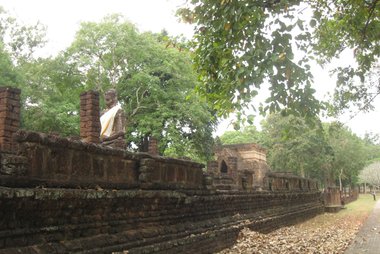
- Wat Phra Kaew is a historic temple in the city center that once held the Emerald Buddha.
- Chiang Rai Night Bazaar is the city's evening market, with food, crafts and cultural shows.
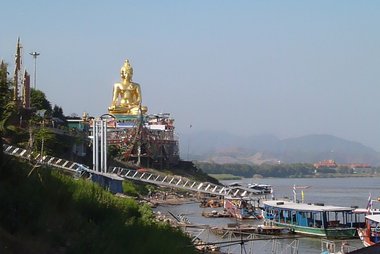
- Golden Triangle is the point where Thailand, Laos and Myanmar meet at the Mekong River.
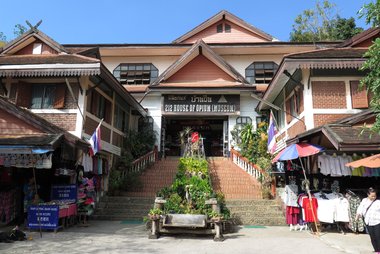
- House of Opium is a museum at the Golden Triangle about the history of opium in the region.
- Tham Luang Cave is a cave in the north of the province, widely known for the 2018 rescue of a youth football team.
- Singha Park is a large farm and park with lawns, tours and cafes outside the city.
- Mae Fah Luang Garden is a landscaped garden on a hillside in the north of the province.
Empfohlene Listen


Tempel und religiöse Stätten
Chiang Rais religiöse Landschaft zeichnet sich durch eine Mischung aus historischer Lanna-Architektur und zeitgenössischen künstlerischen Ausdrucksformen aus. Diese Sammlung umfasst den avantgardistischen Weißen Tempel, den saphirblauen Wat Rong Suea Ten und die hoch aufragende Guan Yin-Statue im Wat Huai Pla Kang. Besucher können auch den Wat Phra Kaew erkunden, den ursprünglichen Fundort des Smaragd-Buddhas, und den alten, von den Shan beeinflussten Wat Ming Meuang. Diese Stätten repräsentieren das spirituelle Erbe der Region, das von Fundamenten aus dem 13. Jahrhundert bis zu modernen Meisterwerken buddhistischer Kunst reicht.
6 Orte
Erlebnisse & Aktivitäten
- Temple art day: Visit the White Temple, Blue Temple and Black House in one day.
- Night Bazaar: Eat northern Thai food and watch local performances in the evening.
- Tea hills: Drive into the hills for tea tastings and mountain views.
- Golden Triangle viewpoint: See three countries from the Mekong River.
- Mountain village stay: Spend a night in a hill village for a quieter experience.
Touren & Aktivitäten
Chiang Rai — Karte

 Interaktive Karte öffnen
Tagesausflüge
These trips are listed from closest to farthest.
- Blue Temple and Black House: easy half-day trips by taxi or scooter around the city.
- Singha Park: a large park with tea and farm views about 15 km from the city.
- Mae Chan and hill tribe villages: mountain villages and tea farms north of the city.
- Golden Triangle and Mae Sai: a full-day trip to the border area with a view over the Mekong and a market town at the Myanmar border.
Orte zum Entdecken
- Mae Sai is the northernmost town in Thailand, at the Myanmar border.
- Mae Chan is a town north of the city, a base for hill villages.
- Chiang Mai is the main northern city, about three hours south.
- Pai is a mountain town west of Chiang Mai.
Anreise
- By air: Chiang Rai International Airport has flights from Bangkok and other Thai cities.
- By bus from Chiang Mai: Regular buses take about three to four hours.
- By bus from Bangkok: Overnight buses take around ten hours.
- By car: The road from Chiang Mai is paved and straightforward.
Unterwegs vor Ort
- Songthaews and tuk-tuks: Used for short trips in the city. Agree on the price first.
- Taxis and ride apps: Useful for the temples outside the center.
- Scooters and cars: Good for day trips to the Blue Temple, Black House and the mountains.
- Tours: Day tours cover the temples and the Golden Triangle.
Autofahren
- Is a car worth it?: Yes, for temples outside town and the mountains. Parking at the main sights is easy.
- Driving side: Traffic drives on the left.
- Roads: Main roads are good. Mountain roads have sharp turns and can be slippery in the rain.
- Scooters: Wear a helmet and avoid night driving in the hills.
Essen & Trinken
Chiang Rai serves northern Thai dishes, including khao soi (curry noodles), sai ua sausage, and chili dips. The province is also known for tea and coffee grown in the hills.
The Night Bazaar and small local restaurants are good places for dinner.
Sicherheit & Gesundheit
- Border areas: Carry your passport near the Myanmar and Laos borders and follow local advice.
- Mountain roads: Drive slowly, especially in rain and fog.
- Smoke season: Between February and April, haze can be heavy. People with breathing problems should plan carefully.
- Temples: Dress modestly with covered shoulders and knees. Remove shoes where requested.
- Cave visits: Check current access rules and weather before visiting caves.
- Drugs: Thai drug laws are strict. Do not carry or use drugs.
- Royal family: Do not speak or write badly about the monarchy. It is a serious crime in Thailand.
Geschichte
Chiang Rai was founded in the 13th century as a city of the Lanna kingdom. The Golden Triangle area later became known for the opium trade, which has since been replaced by tourism, tea and coffee farming.
In recent decades, modern temples and art spaces have made the city a destination for visitors interested in contemporary art.
Länderfakten
Quick practical facts for Thailand at a glance:
- Währung
- Thailändischer Baht THB ฿ · Kartenzahlung · Häufig akzeptiert
- Notrufnummern
- 191 Polizei
- Stromnetz
- 220 V · 50 HzSteckertyp A / Steckertyp B / Steckertyp C / Steckertyp O
- Sprachen
- Thailändisch
- Leitungswasser
- Mit Vorsicht trinken
- Fahrseite
- Linksverkehr
- Telefonvorwahl
- +66
Chiang Rai – Plane deine Reise
Wähle die Orte aus, die du sehen möchtest, und Tripomatic erstellt daraus eine Route Tag für Tag – mit intelligenter Wegführung, Zeitschätzungen und allem für die perfekte Reise.


Ähnliche Reiseziele

Data: © OpenStreetMap contributors, Wikidata, Wikipedia, Tripomatic, Official websites, geoBoundaries (CC BY 4.0). Tours by GetYourGuide. We earn commission from bookings. Travel guide generated with AI.