


Heiligenblut am Großglockner
Heiligenblut is a mountain village at about 1,300 m on the Carinthian side of the Hohe Tauern National Park. Its tall Gothic church spire stands in front of the Grossglockner, Austria's highest mountain at 3,798 m, and the view is one of the best-known in the Alps.
It is the end of the Grossglockner High Alpine Road and the start of the way up to the Pasterze glacier. The village suits hikers, drivers and photographers, and it has a small ski area.

Heiligenblut am Großglockner – Planst du eine Reise?
Erstelle deine Reiseroute Tag für Tag in der Tripomatic-App.


Beste Reisezeit
June to September is best for hiking and for the High Alpine Road, which is open roughly May to October or November depending on snow. September is clear and calm. Winter is for skiing and quiet walks, and the road is closed.
Top-Sehenswürdigkeiten
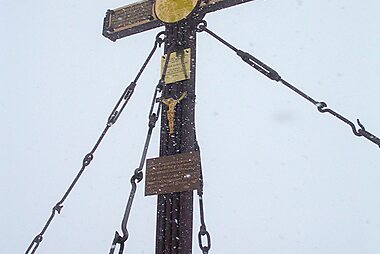
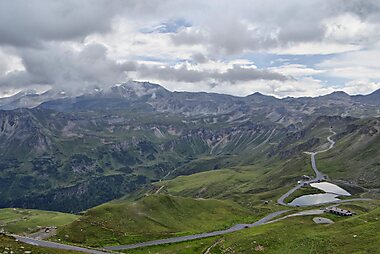
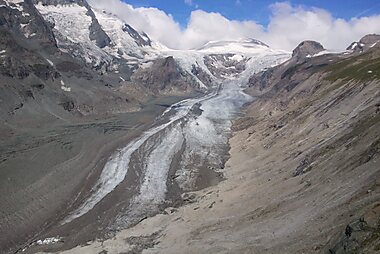
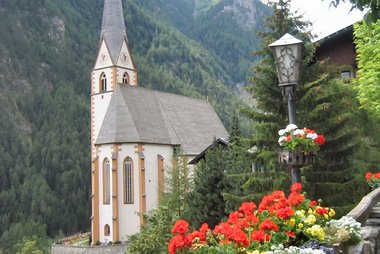
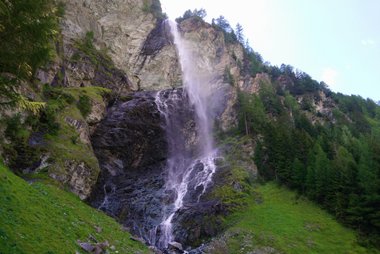
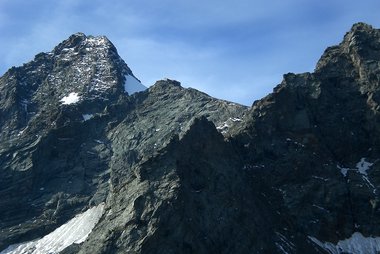
- Großglockner is Austria's highest peak, and Heiligenblut has the classic view of it.
- Großglockner Hochalpenstraße is a famous panoramic mountain road to Salzburg, with many viewpoints.
- Pasterze is the longest glacier in the Eastern Alps, reached from Franz-Josefs-Höhe, a viewpoint at the end of a side road.
- St. Vinzenz is the Gothic pilgrimage church in the village, with a tall spire.
- Jungfernsprung and Leiterfall are waterfalls near the village.
- Wilhelm-Swarovski-Beobachtungswarte is an observatory on the Franz-Josefs-Höhe road.
- Haus der Steinböcke presents the Alpine ibex.
- Erzherzog-Johann-Hütte, Zittelhaus and Salmhütte are mountain huts on high routes.
- Hoher Sonnblick is a high peak with a weather station.
Empfohlene Listen

Heiligenblut am Großglockner Must-Sees
This collection centers on the Grossglockner, Austria's highest peak at 3,798 meters, and the 8.4-kilometer Pasterze Glacier. The Grossglockner High Alpine Road provides access to the Franz-Josefs-Höhe viewpoint, while the village of Heiligenblut is defined by the 15th-century Gothic pilgrimage church of St. Vinzenz. The surrounding Hohe Tauern National Park features dramatic waterfalls like the 130-meter Jungfernsprung and numerous three-thousand-meter summits including Kleinglockner and Hohe Riffl.
16 Orte


Erlebnisse & Aktivitäten
- Drive the High Alpine Road.
- See the Pasterze glacier.
- Hike to a mountain hut.
- Visit the Gothic church.
- Ski the small local area in winter.
Touren & Aktivitäten
Heiligenblut am Großglockner — Karte

 Interaktive Karte öffnen
Tagesausflüge
- Lienz is about 1 hour away by car.
- Zell am See is about 1 hour 30 minutes away by car over the High Alpine Road in summer.
- Bad Kleinkirchheim is about 1 hour 30 minutes away by car.
- Klagenfurt is about 2 hours away by car.
- Franz-Josefs-Höhe is about 30 minutes away by car.
Orte zum Entdecken
- Bad Kleinkirchheim, Weißensee and Seeboden are the nearest preferred destinations in Carinthia.
Anreise
- By air: Salzburg Airport is about 2 hours 30 minutes away. Klagenfurt is about 2 hours.
- By train: The nearest main station is Lienz. A bus then runs to Heiligenblut over the Iselsberg pass. Check train times on ÖBB.
- By car: Take the Iselsberg road from Lienz, or the High Alpine Road from the north in summer.
Unterwegs vor Ort
The village is walkable. Buses run to the Franz-Josefs-Höhe road in summer. A car or the bus is the best way to reach the glacier viewpoint.
Autofahren
The High Alpine Road is a toll road, with hairpin bends and steep grades, and it is closed in winter. Winter tyres or chains are required in snow. Motorways in Austria need a vignette, and the road toll is separate.
Essen & Trinken
Carinthian food is hearty. Try Kärntner Kasnudeln, filled pasta, and Frigga, a pan dish of cheese and potatoes. Mountain huts serve soup and cakes.
Sicherheit & Gesundheit
Heiligenblut is very safe, but the high mountains are serious. Glacier travel needs a guide. Weather can change fast, and avalanche risk applies in winter. Tap water is clean and safe to drink. The emergency number is 112. The mountain rescue number is 140.
Geschichte
The village is named for a relic of holy blood said to have been brought here in the 10th century, and it became a pilgrimage site. Mountaineering took off after the first Grossglockner ascent in 1800. The High Alpine Road opened in 1935 and brought the area into mass tourism.
Länderfakten
Quick practical facts for Austria at a glance:
- Währung
- Euro EUR € · Kartenzahlung · Häufig akzeptiert
- Notrufnummern
- 112
- Stromnetz
- 230 V · 50 HzSteckertyp C / Steckertyp F
- Sprachen
- Deutsch
- Leitungswasser
- Trinkbar
- Fahrseite
- Rechtsverkehr
- Telefonvorwahl
- +43


Heiligenblut am Großglockner – Plane deine Tage
Verwandle die Orte aus diesem Reiseführer in eine echte Reiseroute mit intelligenter Routenführung, Zeitschätzungen und allem für eine perfekte Reise.


Ähnliche Reiseziele

Data: © OpenStreetMap contributors, Wikidata, Wikipedia, Tripomatic, Official websites, geoBoundaries (CC BY 4.0). Tours by GetYourGuide. We earn commission from bookings. Travel guide generated with AI.
Plane deine Reise mit Tripomatic
- KI-gestützte PlanungErhalte mit einem Fingertipp einen fertigen Tag, lass die KI deine Merkliste über deine Reise verteilen oder plane alles im Chat.
- ReisewarnungenOffizielle Hinweise, Unwetter, Streiks und Naturgefahren für die Orte an jedem Tag deiner Reise.
- Feiertage & EventsSieh Feiertage, Festivals und Schließungen an den Tagen deiner Reise und erfahre, was sie für deine Pläne bedeuten.
- KostenschätzungKI-gestützte Reisekostenübersichten, damit du dein Budget schon vor der Abreise genau kennst.
- Touren & TicketsBuche geführte Touren, Tickets ohne Anstehen und Aktivitäten direkt in deinem Reiseplan.