


Tana Toraja
The Toraja highlands sit in the mountains of South Sulawesi. They are known for their own culture, which differs from the rest of Indonesia. The most famous traditions are the boat-roofed ancestral houses (tongkonan) and the large funeral ceremonies. Families honour their dead with burial sites in cliffs, caves and even trees.
This is a trip for travelers who want culture, scenery and slow days. Villages sit among rice terraces and green ridges. The cool air is a relief after the coast. The region covers two regencies: Tana Toraja, with its seat in Makale, and North Toraja, with its main town Rantepao. Most visitors use Rantepao as a base and see both. Plan at least three nights, because the sights are spread out and roads are slow.

Tana Toraja – Planst du eine Reise?
Erstelle deine Reiseroute Tag für Tag in der Tripomatic-App.


Beste Reisezeit
The driest months are roughly June to September. Roads and trails are easier then, and views are clearer. The rest of the year brings frequent rain, so pack a light rain jacket in any season. Nights are cool at this altitude.
Many funeral ceremonies (Rambu Solo') take place in the dry months, often from July to September, after the rice harvest. Dates depend on each family. A local guide can tell you if a ceremony is open to visitors during your stay.
Top-Sehenswürdigkeiten
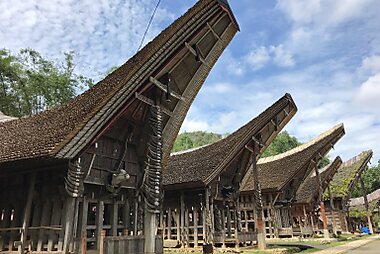
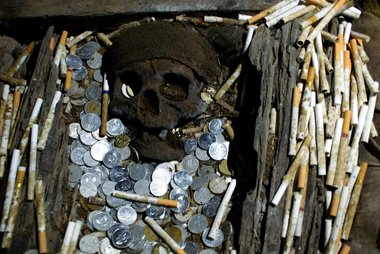
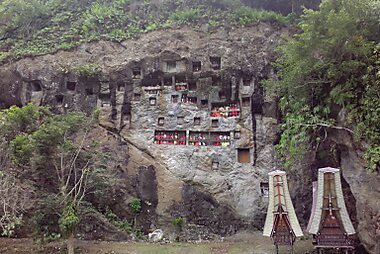
- Ke'te Kesu Village is the best-known traditional village. Rows of tongkonan houses face rice barns, and old cliff graves are close by.
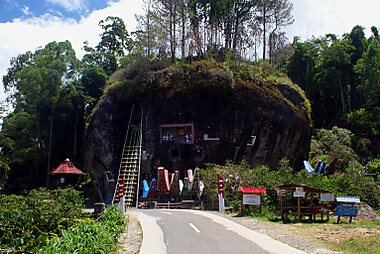
- Londa Burial Caves are cave graves in a limestone cliff. Wooden coffins lie in the rock, and carved effigies (tau-tau) look out from a balcony. Bring a torch or hire a lamp at the entrance.
- Lemo Burial Site is a cliff with a row of tau-tau on a balcony. Each figure stands for a person buried in the rock behind it.
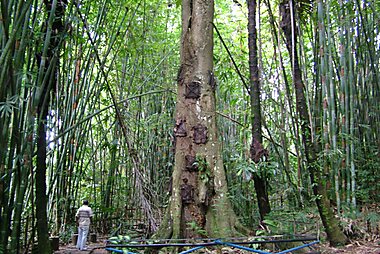
- Kambira Baby Graves is a tree grave site. Babies who died before teething were once placed inside a living tree. Visit quietly.
- Tampang Allo Burial Cave is a cave burial site near Sangalla, in the south of the regency. It is quieter than the sites near Rantepao.
- Bori' Kalimbuang has tall standing stones in a field. They were raised for funerals of important people.
- Lo'ko' Mata Burial Site has graves cut into a large rock. It is a good stop on a loop through the north.
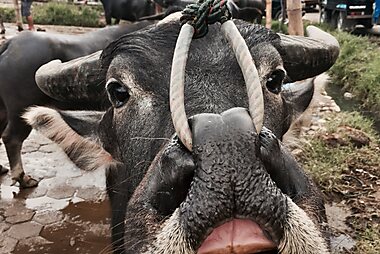
- Pasar Bolu in Rantepao is a large market for buffalo, pigs and everyday goods. It is busiest on market days. Ask your hotel or guide for the next date.
Many burial sites hold real human remains. Do not touch bones, coffins or effigies, and ask before you take photos of people.
Erlebnisse & Aktivitäten
- Join a funeral ceremony only as a guest of the family. Rambu Solo' is a family and community event, not a show. A local guide can ask the family for you. Wear dark clothing and stay quiet. Bring a small gift for the host family, such as sugar, tea or coffee, and ask your guide what is suitable. Ask before taking photos. Do not step over offerings.
- See the sunrise above the clouds. Go early to Lolai Viewpoint or Batutumonga. The valley often fills with cloud in the morning.
- Hike through rice terraces. Walking between villages shows daily life, from farming to weaving. A guide helps with paths and explains local customs.
- Visit the buffalo market. Watch trading at Pasar Bolu. Buffalo are a mark of wealth here and a key part of funerals.
- Taste Toraja coffee. The highlands grow arabica coffee. Many cafes in Rantepao serve it.
Touren & Aktivitäten
Tana Toraja — Karte

Tagesausflüge
Most trips here are loops from Rantepao or Makale. These areas fit a half day or a full day by car or motorbike.
- Batutumonga and Lolai: Mountain villages in the hills above Rantepao with wide views over the valley. Lolai Viewpoint is known for sunrise and morning clouds in the valley.
- Mount Sesean is a mountain with a hiking trail and views over the highlands. Go with a guide and start early, before clouds build up.
- Sangalla and the south: A quiet area with villages, cave burial sites and old stone graves. It is a good addition to a visit to Makale.
- Weaving villages: Some villages near Rantepao sell hand-woven cloth. You can see the looms at work.
Plan each trip with your driver or guide. Travel times depend on the road and the weather.
Orte zum Entdecken
- Makassar is the regional capital and the usual starting point. Most travelers arrive at its airport or bus terminals before the trip up to the highlands.
Anreise
- By air: The nearest large airport is Sultan Hasanuddin International Airport (UPG), about 20 km from Makassar. Toraja Airport (TRT, also called Buntu Kunik) has a few direct flights from Makassar on selected days, about an hour in the air. Schedules change often, so check before you book. A second option is Lagaligo Airport near Palopo, followed by a long road transfer.
- By bus: Overnight buses run from Makassar to Makale and Rantepao. Allow about 9 to 11 hours. Confirm your drop-off point: some buses stop in Makale first.
- By car: A private car with a driver from Makassar is the more comfortable choice. Plan a full day for the road.
- From the airport: Toraja Airport is roughly an hour by road from Rantepao. Arrange your transfer in advance.
Unterwegs vor Ort
- Minibuses: Local minibuses link Rantepao, Makale and the larger villages. They are cheap but do not run on a fixed schedule. Many do not go to remote sights.
- Car with driver and guide: The easiest way to see several sites in one day. Most hotels and homestays can arrange it. Hiring a local guide is also the best way to visit a funeral ceremony.
- Motorbike: Rental is common in Rantepao. Roads are steep and wet in rainy months, so ride only if you have experience.
- On foot: Short walks between villages are pleasant. Distances between the main sights are too long to walk.
Autofahren
- Is a car worth it? A car with a local driver is a good choice for several sights in one day. Self-driving is possible but not easy. Roads are narrow, winding and busy with motorbikes.
- Traffic: Traffic keeps to the left, as in the rest of Indonesia.
- Weather: Heavy rain can cause slow traffic and landslides on mountain roads. Allow extra time and avoid driving at night.
- Parking: Most sights have simple parking by the entrance, often a small fee to local helpers.
Essen & Trinken
Toraja food is different from the rest of South Sulawesi. Look for pa'piong, meat or fish cooked in bamboo with herbs and coconut. Pork is common here, because most people are Christian. Muslim travelers should ask about halal options in advance. Rice, grilled meat and vegetables with chili sauce are everyday meals.
Most eating happens in small restaurants and warungs around the main streets of Rantepao and Makale. Local coffee and sweet tea are served everywhere. Palm wine (tuak) is a local drink that appears at ceremonies.
Sicherheit & Gesundheit
The highlands are generally calm and welcoming. Petty theft is uncommon, but keep valuables out of sight, especially on night buses.
- Roads: Motorbike and road accidents are the main risk. Avoid riding in rain or after dark.
- Water: Tap water is not safe to drink. Use bottled or filtered water.
- Insects: Use repellent, as mosquitoes spread dengue in Indonesia.
- Guides: Agree on prices before a trip. Use guides recommended by your accommodation.
- Medical help: Larger hospitals are in Makale and Makassar. Carry basic medicine with you.
- Respect: Burial sites and ceremonies are sacred to families. Dress modestly, ask before taking photos and do not touch remains.
Geschichte
Toraja communities lived in the mountains for centuries and kept their own customs. Their traditional belief system is called Aluk To Dolo. Dutch forces and missionaries reached the highlands in the early 20th century. Today most Toraja people are Christian, and the old rituals continue alongside church life.
The tongkonan house is at the center of family and village life. At villages such as Ke'te Kesu Village, houses and rice barns face each other across a courtyard. Funerals follow strict customs and can be held months or years after a death, once the family has gathered the means for the ceremony. Until then the deceased may remain in the family home.
Burial places reflect this belief. Graves are cut into cliffs, as at Londa Burial Caves and Lemo Burial Site, or placed in a tree, as at Kambira Baby Graves. The tau-tau effigies stand for the dead and look out over the valley. The local museum in Rantepao is named after Pongtiku, a Toraja leader who fought the Dutch.
Länderfakten
Quick practical facts for Indonesia at a glance:
- Währung
- Indonesische Rupiah IDR Rp · Kartenzahlung · Häufig akzeptiert
- Notrufnummern
- 112
- Stromnetz
- 230 V · 50 HzSteckertyp C / Steckertyp F
- Sprachen
- Indonesisch
- Leitungswasser
- Nicht trinkbar
- Fahrseite
- Linksverkehr
- Telefonvorwahl
- +62


Tana Toraja – Zu deiner Reise hinzufügen
Erstelle eine detaillierte Reiseroute mit intelligenter Routenführung, Zeitschätzungen und allem, was du für eine perfekte Reise brauchst.


Ähnliche Reiseziele
Weitere Reiseziele
Data: © OpenStreetMap contributors, Wikipedia, Tripomatic, Official websites, geoBoundaries (CC BY 4.0). Tours by GetYourGuide. We earn commission from bookings. Travel guide generated with AI.
Plane deine Reise mit Tripomatic
- KI-gestützte PlanungErhalte mit einem Fingertipp einen fertigen Tag, lass die KI deine Merkliste über deine Reise verteilen oder plane alles im Chat.
- ReisewarnungenOffizielle Hinweise, Unwetter, Streiks und Naturgefahren für die Orte an jedem Tag deiner Reise.
- Feiertage & EventsSieh Feiertage, Festivals und Schließungen an den Tagen deiner Reise und erfahre, was sie für deine Pläne bedeuten.
- KostenschätzungKI-gestützte Reisekostenübersichten, damit du dein Budget schon vor der Abreise genau kennst.
- Touren & TicketsBuche geführte Touren, Tickets ohne Anstehen und Aktivitäten direkt in deinem Reiseplan.