


Belgrade
Belgrade sits where the Sava river meets the Danube, a position that has made it a crossroads — and a battleground — for over two thousand years. The city has been destroyed and rebuilt many times. That history shows: Habsburg facades stand next to Ottoman remnants, Yugoslav-era blocks, and a fast-growing riverside skyline.
It suits travelers who like a capital city with an edge rather than a postcard. Belgrade is loud, direct, and full of contrasts. Quiet Kalemegdan Park sits a short walk from the all-night energy of its river clubs. The composer and pianist Stevan Mokranjac and the scientist Mihajlo Pupin both have strong ties to the city. Serbian-American inventor Nikola Tesla is honored here with a dedicated museum, though he was born elsewhere in the region.

Belgrade – Planning a Trip?
Build your day-by-day itinerary in the Tripomatic app.


When to visit
Spring (April–May) and autumn (September–October) are the most pleasant times to visit, with mild days and fewer crowds. Summer runs hot and can be humid, while winter is cold and grey with occasional snow.
Plan around Belgrade Beer Fest in August if you like a big outdoor event. It is one of the largest beer festivals in the region, drawing huge crowds to Ušće Park for concerts and open-air drinking on the Danube bank.
Best time to visit: May, September, October
Top sights
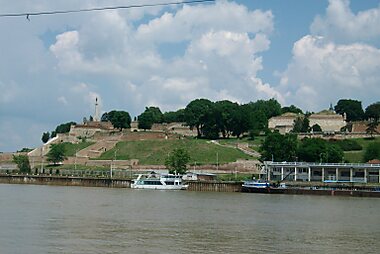

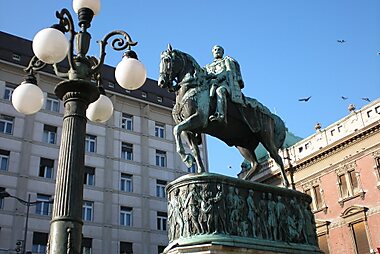
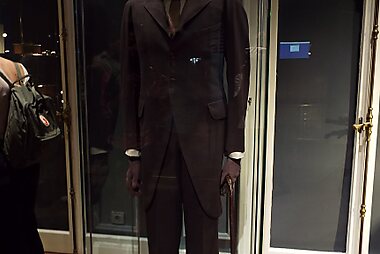

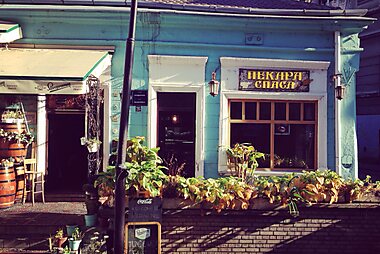
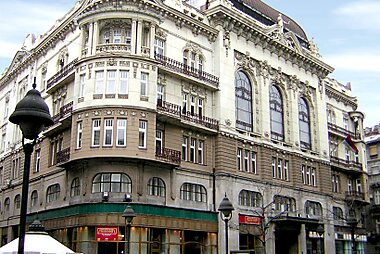
Belgrade Fortress is Belgrade's most visited sight: a fortress and park on the bluff where the Sava meets the Danube, with layers of Roman, Ottoman, and Austrian construction and wide river views. Entry to the grounds is free.
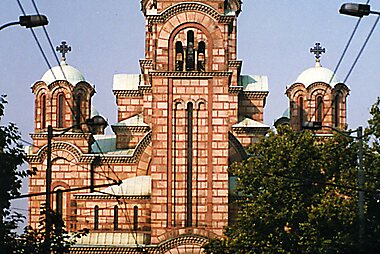
Saint Sava Cathedral is one of the largest Orthodox churches in the world, its white dome visible from much of the city. The interior mosaics were only completed in recent years, so it is worth stepping inside as well as photographing the exterior.
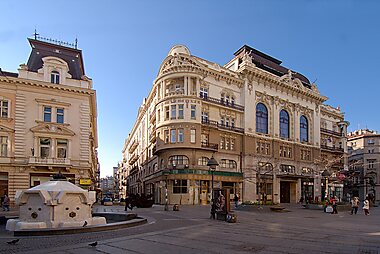
Knez Mihailova Street is the main pedestrian spine of downtown, lined with 19th-century buildings, shops, and cafés, running from Republic Square to the fortress gates.
Skadarska Street is the city's old bohemian quarter, a cobblestone lane of traditional kafanas (taverns) once favored by poets and artists, and one of the most popular spots in downtown Belgrade.
Nikola Tesla Museum holds Nikola Tesla's personal archive, along with working models of his inventions and his ashes, displayed in a golden globe.
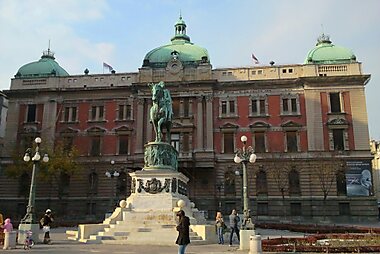
National Museum of Serbia is Serbia's largest museum, covering archaeology and fine art from prehistory to the 20th century, in a grand building on Republic Square.
House of Flowers is the mausoleum of Josip Broz Tito, the president who led socialist Yugoslavia for over three decades. The surrounding museum complex traces the country's 20th-century history.
Belgrade Tower is the newest addition to the skyline: a 168-meter tower on the Sava riverfront with a 41st-floor observation deck offering a 360-degree view over the city.
Featured Lists


Culinary Heritage
Explore a diverse collection of Belgrade dining venues featuring authentic regional and Italian cuisines. This selection includes historic Balkan kafanas, contemporary Italian restaurants, and unique eateries offering local specialties with amenities such as outdoor seating, wi-fi, and around-the-clock service at some locations.
9 placesWhat to experience
- Spend an afternoon swimming, cycling, or relaxing along the artificial beach at Ada Ciganlija, Belgrade's summer playground on the Sava.
- Watch the sunset from the fortress ramparts at Belgrade Fortress, looking out over the confluence of the Sava and Danube.
- Take a river cruise on the Sava or Danube for a different view of the fortress and the city's bridges.
- Join Belgrade's famous "splav" nightlife — floating clubs moored along the riverbanks that stay open and loud well past midnight.
- Cross to Zemun in the early evening and walk the Danube quay toward Gardoš Hill for a quieter sunset view over the river.
Tours & Activities
Belgrade — Map

 Open the interactive map
 Day trips
A handful of good day trips lie within easy reach of Belgrade, from a nearby hilltop viewpoint to Serbia's second city.
- Avala — a wooded mountain about 30 minutes south of the city by car or bus, topped by a television tower with an observation deck and a monument to the Unknown Hero. A quick, easy escape from the city.
- Sremski Karlovci — a small Habsburg-era wine town roughly an hour away by bus or car, known for its baroque architecture and dessert wine cellars.
- Novi Sad — Serbia's second-largest city, about an hour away by train, built around the Petrovaradin Fortress overlooking the Danube. Its old town is smaller and calmer than Belgrade's.
- Fruška Gora National Park — rolling hills near Novi Sad, roughly 1–1.5 hours away, dotted with Serbian Orthodox monasteries dating back centuries. Best reached by car.
- Smederevo — home to a massive medieval river fortress about an hour southeast of Belgrade, once the capital of medieval Serbia, reachable by bus or car.
Getting there
- By air: Belgrade Nikola Tesla Airport (BEG) is the main gateway, about 18 km from downtown. The A1 Airport Express bus runs to the city center in around 45 minutes for roughly 400 RSD; taxis take about 30 minutes and cost more — book through an official app or the airport taxi desk rather than accepting offers from drivers approaching you in the arrivals hall.
- By train: Belgrade Centre station connects to Novi Sad, and international lines run to Budapest and Bar on the Montenegrin coast. A high-speed link toward Budapest has been under phased construction, so check current schedules before booking.
- By bus: The main international and long-distance coach terminal (BAS) sits near the Slavija area and serves destinations across the Balkans and Central Europe.
Getting around
- Public transit: GSP Beograd runs an extensive network of buses, trams, and trolleybuses. As of 2025, regular city buses, trams, trolleybuses, and the BG Voz suburban train are free to ride; only the A1 Airport Express and the E minibus lines require a paid ticket, bought on board. See the GSP Beograd site for routes.
- Taxi / ride-hailing: Car:Go is the dominant ride-hailing app in Belgrade rather than Uber. Stick to metered or app-based taxis — unlicensed drivers around the airport and train station are a common source of overcharging.
- On foot / cycling: The center — Kalemegdan, Knez Mihailova, and the surrounding streets — is compact and walkable, though Belgrade sits on hills and some routes involve a real climb. Dedicated cycling infrastructure is limited outside the riverside paths around Ada Ciganlija.
Driving
- Is a car worth it?: Skip it for the city itself — traffic is heavy and parking in the center is limited. A car becomes useful for day trips to Fruška Gora or other spots off the rail and bus network.
- Parking: The center has paid parking zones charged by the hour via SMS or the city parking app; garages near Trg Republike are the easiest option for visitors.
- Restrictions: Knez Mihailova and several surrounding blocks are a pedestrian zone closed to general traffic.
Food & drink
Belgrade's kitchen is built around grilled meat: ćevapi (grilled minced-meat fingers) and pljeskavica (a large grilled patty, often called the Serbian burger) are sold everywhere from street counters to sit-down grills. Burek, a flaky pastry filled with meat or cheese, is the standard breakfast, usually eaten with drinking yogurt.
For a sit-down meal with atmosphere, head to Skadarska Street, where traditional kafanas serve slow-cooked Serbian classics with live tamburitza music most evenings. For something more casual, the bakeries and grill counters scattered through downtown are a reliable, inexpensive option any time of day. Rakija, a strong fruit brandy, is the standard way to start a meal — expect it to be offered before you even ask.
Safety & health
Belgrade is a safe city for tourists by international standards, and violent crime against visitors is rare. The most common issues are petty ones:
- Unlicensed taxi drivers overcharging around the airport, the train station, and nightlife areas — always use a metered taxi or an app.
- Pickpocketing in crowded areas like Knez Mihailova, on packed buses, and around Skadarlija in the evening.
- Late-night river-club areas can get rowdy on weekends; normal city-nightlife caution applies.
Tap water is safe to drink throughout the city.
History
Belgrade's location at the meeting of two rivers made it one of the most fought-over cities in Europe, with dozens of recorded sieges over the centuries. A Celtic and later Roman settlement called Singidunum once stood on the site of today's Belgrade Fortress, and the fortress was rebuilt and fought over by Byzantines, Ottomans, and Habsburgs for centuries, changing hands many times.
Serbia broke free of Ottoman rule in the 19th century, and Belgrade grew into a modern European capital, laying out streets like Knez Mihailova Street. The 20th century brought heavy destruction: German bombing in 1941 flattened much of the center, and NATO airstrikes in 1999 again hit government and infrastructure targets during the Kosovo conflict. Between those events, Belgrade was the capital of socialist Yugoslavia under Josip Broz Tito, whose legacy is preserved at House of Flowers.
Country facts
Quick practical facts for Serbia at a glance:
- Currency
- Serbian Dinar RSD дин. · Card payments · Commonly accepted
- Emergency numbers
- 112
- Electricity
- 230 V · 50 HzType C / Type F
- Languages
- Serbian
- Tap water
- Safe to drink
- Driving side
- Right
- Calling code
- +381


Belgrade – Plan Your Days
Turn the places from this guide into a real itinerary, with smart routing, time estimates, and everything you need for a perfect trip.