



Buenos Aires
Buenos Aires is Argentina's capital and largest city, built on the wide Río de la Plata. Waves of European immigration in the late 1800s and early 1900s shaped its architecture and café culture. The result is wide boulevards, Beaux-Arts palaces, and a slower pace than most Latin American capitals.
The city suits travelers who want tango, football, steak, and distinct, walkable neighborhoods: elegant Recoleta, artsy Palermo, colorful La Boca, and cobblestoned San Telmo. Writer Jorge Luis Borges spent most of his life here, and the city remains a literary capital of the Spanish-speaking world. Plan for four or five days to see the highlights without rushing.

Buenos Aires – Planning a Trip?
Build your day-by-day itinerary in the Tripomatic app.


When to visit
Spring (September–November) and autumn (March–May) are mild and the best time to visit. Summer (December–February) is hot and humid, and many locals leave the city in January. Winter (June–August) is cool but rarely freezing.
Time a trip around the Buenos Aires Tango Festival and World Championship, usually held in August. The city fills with dance classes and free concerts, ending with the world championship for tango couples.
Best time to visit: January, February, March, April, October, November, December
Rain can fall in any month, so pack a light rain jacket regardless of season.
Top sights
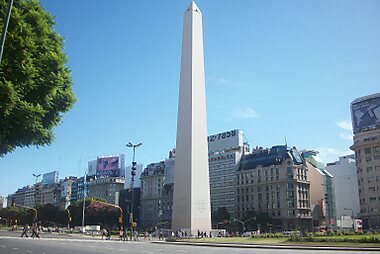
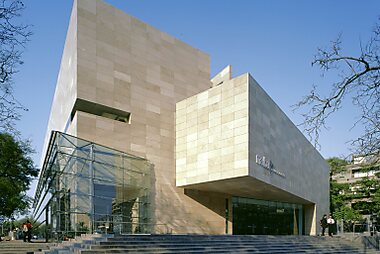
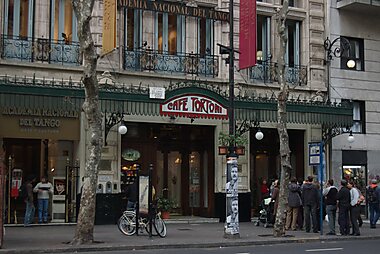
Obelisco marks the middle of downtown and is the city's best-known symbol, standing where Corrientes and 9 de Julio avenues cross.
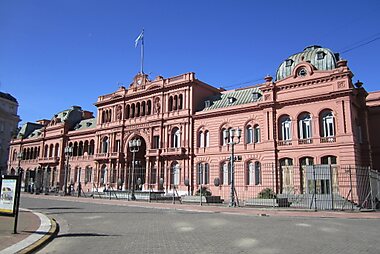
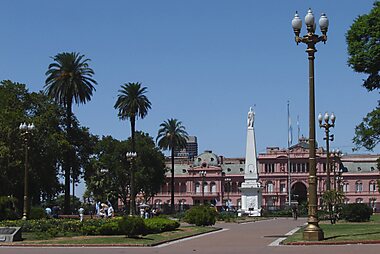
On Plaza de Mayo, Casa Rosada is the president's pink-facaded office and a stage for some of Argentina's biggest political moments.
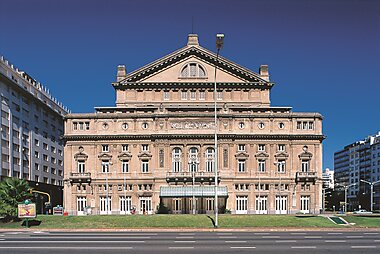
Teatro Colón is a historic opera house rated among the best in the world for its acoustics; book a guided tour even if you can't catch a performance.
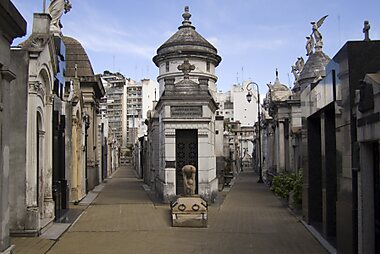
Recoleta Cemetry holds the graves of presidents, generals, and Eva Perón, laid out along narrow marble streets lined with elaborate mausoleums.
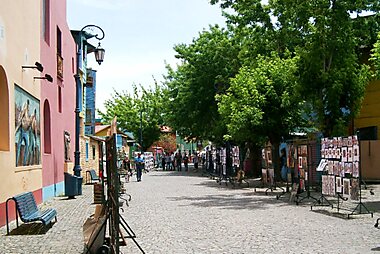
Caminito is a short pedestrian street in La Boca lined with brightly painted houses, born from a working port neighborhood of Italian immigrants.
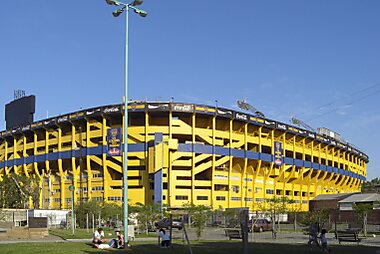
La Bombonera is the home stadium of Boca Juniors, one of Argentine football's most passionate clubs, known for its steep D-shaped stands.
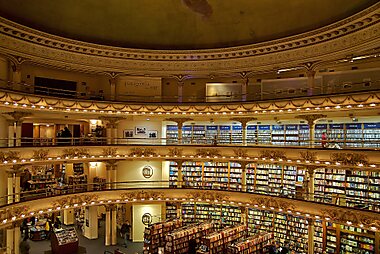
El Ateneo Grand Splendid is a bookshop set inside a converted early-1900s theatre, with the original stage, balconies, and painted ceiling still intact.
Museo de Arte Latinoamericano de Buenos Aires (MALBA) shows a strong collection of 20th-century Latin American art, including major works by Frida Kahlo and Diego Rivera.
Featured Lists


What to experience
- Attend a Boca Juniors match at La Bombonera to hear the crowd sing and chant through the entire game.
- Watch a tango show or join a milonga, a social tango dance night open to beginners and experienced dancers alike.
- Browse the Sunday antiques fair on Plaza Dorrego in San Telmo, where tango dancers often perform in the street.
- Rent a paddleboat on the lakes inside Bosques de Palermo on a weekend afternoon.
- Share a mate with locals in a park — Argentina's everyday ritual of sipping a bitter herbal tea from a shared gourd.
Tours & Activities
Buenos Aires — Map

 Open the interactive map
 Day trips
Buenos Aires has easy day trips nearby, from a riverside suburb to a colonial town across the river in Uruguay.
- San Isidro — about 40 minutes by train, this leafy riverside town has a neo-Gothic cathedral, a historic center, and boutique shopping.
- Tigre — about an hour by train, this town sits where the channels of the Paraná Delta meet. Take a boat tour through the delta and browse the riverside craft market.
- Colonia del Sacramento, Uruguay — about an hour by high-speed ferry across the Río de la Plata, this UNESCO World Heritage colonial town has cobblestone streets and a small lighthouse.
Getting there
- By air: Ministro Pistarini International Airport (EZE), usually called Ezeiza, is the main international gateway, about 35 km from downtown. A shuttle bus or taxi takes 45–60 minutes. Aeroparque Jorge Newbery (AEP), closer to the city center along the river, handles most domestic and some regional flights.
- By train: Retiro Station is the hub for regional and long-distance trains, with three separate terminals for different lines.
- By bus: Retiro Bus Terminal, next to the train station, is the country's largest and connects to cities across Argentina and neighboring countries.
Getting around
- Public transit: The Subte (subway) has six lines covering downtown and several neighborhoods, backed up by an extensive bus network known as colectivos. Contactless bank cards and phone payments now work directly on the Subte and most buses, alongside the rechargeable SUBE card sold at kiosks and station offices. Trip planning and route info: Subte de Buenos Aires.
- Taxi / ride-hailing: Uber and Cabify both operate in the city. Official taxis are plentiful and metered, but usually cash-only.
- On foot / cycling: The center, Palermo, Recoleta, and San Telmo are flat and walkable, though blocks run long. Protected bike lanes and the Ecobici bike-share system cover much of the city.
Driving
- Is a car worth it?: No. Traffic is heavy, parking is scarce, and the Subte and bus network cover the city well. Rent a car only for day trips outside the city.
- Parking: Paid garages (playas de estacionamiento) are common downtown and in Palermo. Central streets use metered parking, paid at machines or via a parking app.
Food & drink
Buenos Aires is a steak city. Grilled beef, or asado, is central to daily life, and even casual restaurants serve thick cuts cooked over a wood or charcoal grill. For a memorable steakhouse meal, Don Julio in Palermo draws lines around the block.
For everyday eating, head to the restaurants and cafés clustered around Palermo Soho and San Telmo, or stop at a historic café like Café Tortoni for coffee and pastries. Dinner starts late, often after 9 pm, and a 10% tip in cash is standard at sit-down restaurants.
Safety & health
Buenos Aires is generally safe for tourists, but petty crime such as pickpocketing and phone snatching does happen in crowded spots — the Microcentro, San Telmo on market days, and busy bus and Subte lines. Keep bags zipped and phones out of back pockets.
Exchange money only at banks or official exchange offices (casas de cambio). Street money changers who approach tourists offering a better rate are running a common scam.
Pharmacies, marked with a green cross, are common across the city and can help with minor ailments.
History
Spanish conquistador Pedro de Mendoza first founded a settlement here in 1536, though it was abandoned after attacks and refounded in 1580 by Juan de Garay. The city grew slowly until a boom in the late 1800s, when European immigration transformed it into a wealthy, cosmopolitan capital modeled on Paris.
Plaza de Mayo has been the stage for Argentina's biggest political moments, from the 1810 May Revolution that began the country's independence movement to the mass rallies still held there today. The Museo Histórico Nacional del Cabildo y de la Revolución de Mayo nearby, once the seat of colonial government, now holds a museum on that history. A few steps away, Casa Rosada remains the president's office, with balconies famous for political speeches, including those of Eva Perón.
Italian and Spanish immigrants settled the port neighborhood of La Boca in the late 1800s, painting their houses with leftover ship paint — the origin of Caminito's bright colors today.
Country facts
Quick practical facts for Argentina at a glance:
- Currency
- Argentine Peso ARS $ · Card payments · Commonly accepted
- Emergency numbers
- 117
- Electricity
- 220 V · 50 HzType C / Type I
- Languages
- Spanish
- Tap water
- Safe to drink
- Driving side
- Right
- Calling code
- +54


Buenos Aires – Plan Your Days
Turn the places from this guide into a real itinerary, with smart routing, time estimates, and everything you need for a perfect trip.


Related destinations
Other Destinations
Data: © OpenStreetMap contributors, Wikidata, Wikipedia, Tripomatic, Official websites, geoBoundaries (CC BY 4.0). Tours by GetYourGuide. We earn commission from bookings. Travel guide generated with AI.