



Ecuador
Ecuador is named after the equator, which runs straight through the country and splits it into four very different regions within a few hours of each other: the volcanic Andean highlands, the Pacific coast, the Amazon rainforest, and the Galápagos Islands far out in the Pacific. Few countries pack this much variety into such a small area.
Most visitors split their time between the colonial old town of Quito, the volcanoes and crater lakes of the Andes, and a trip out to the Galápagos to see wildlife found nowhere else on Earth. Others come for cloud-forest birdwatching, Amazon jungle lodges, Pacific beaches, or the indigenous markets of the highlands. Ecuador suits travelers who want to combine culture, nature, and adventure without covering huge distances.

Ecuador – Planning a Trip?
Build your day-by-day itinerary in the Tripomatic app.


Money & payments
Ecuador adopted the US dollar as its official currency in 2000, so there is no exchange rate to track for US travelers. Small Ecuadorian coins circulate alongside US coins at the same value. ATMs are common in cities and airports; carry small bills, since many shops and taxis can't break a $20 note. Cash is still useful in rural areas, local markets, and smaller towns, where card machines are less common.
Featured Lists


Historic Churches
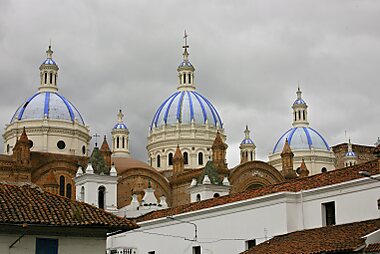
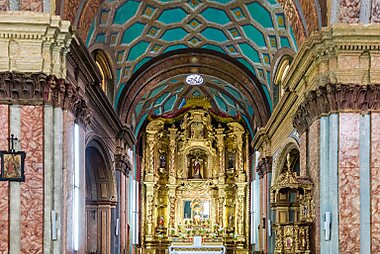
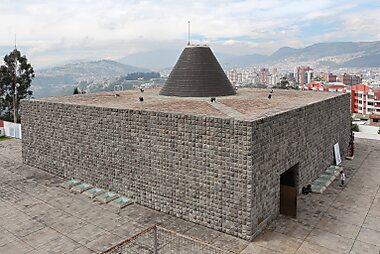
This collection features the architectural and religious landmarks of Riobamba and its surroundings. The list includes the 17th-century La Concepción convent, the Neo-Byzantine Basilica of the Sacred Heart of Jesus, and the historic San Antonio church on Loma de Quito, a site of significant independence-era battles. These sites showcase colonial craftsmanship, expiatory chapels tied to local history, and the deep-rooted Catholic heritage of the Ecuadorian highlands.
6 places
Parks & Nature Reserves
This collection features essential green spaces and scientific hubs across Ecuador, ranging from the Galápagos Islands to the Andean city of Riobamba. It includes the Charles Darwin Research Station, dedicated to conservation and biological research, alongside Riobamba’s historic plazas like Parque Maldonado and Parque Sucre. These urban parks showcase colonial-era architecture, monuments to scientific figures, and commemorative sites like Parque 21 de Abril, which marks a significant independence battle and offers views of the Chimborazo volcano.
7 placesTours & Activities
Ecuador — Map

 Open the interactive map
 Tipping
10% (often already added as a service charge)
$1-2 per bag or per night for housekeeping
$5-10 per day
Restaurants in cities often add a 10% service charge to the bill automatically, so check before adding more. Tour guides and Galápagos naturalist guides are the exception - a daily tip is expected and makes up a real part of their income. Taxi drivers don't expect a tip, though rounding up the fare is appreciated.
Electricity
Ecuador uses Type A/B plugs at 120 V / 60 Hz, the same standard as the United States and Canada.
Language
Spanish is Ecuador's official language and is spoken everywhere. Kichwa and other indigenous languages are common alongside Spanish in Andean and Amazon communities. English is spoken at hotels, tour agencies, and in the Galápagos, but is limited outside tourist areas, so a few Spanish phrases go a long way.
Staying connected
Prepaid SIM and eSIM plans from Claro, Movistar, or CNT are cheap and quick to set up at the airport or any phone shop; bring your passport, since registration is required to buy a SIM. Coverage is strong in cities and the Andes but patchy in parts of the Amazon and on the more remote Galápagos islands.
Safety & emergencies
Most visits to Ecuador are trouble-free, but petty theft - pickpocketing, bag-snatching, phone theft - is a real risk in crowded areas of Quito and Guayaquil, including bus terminals and public transport. Keep valuables out of sight, and take a registered taxi or ride-hailing app rather than hailing one on the street after dark. Some border areas carry higher risk; check current travel advice before heading there.
Health
Tap water isn't recommended for drinking outside a few filtered systems; stick to bottled or boiled water, including for ice in smaller towns. Quito and Cuenca both sit above 2,500 meters, and altitude sickness - headaches, fatigue, nausea - is common in the first day or two. Rest, hydrate, and go easy on alcohol on arrival. Travelers heading to the Amazon are usually advised to get a yellow fever vaccination, and mosquito repellent helps against dengue risk on the coast and in the jungle. Pharmacies (farmacias) are widely available in cities and can advise on minor ailments.
Visas & entry
Citizens of the US, Canada, the EU, the UK, and most Latin American countries can enter Ecuador visa-free for up to 90 days as tourists. Longer stays or other purposes require an appropriate visa arranged in advance. The Galápagos Islands charge a separate entry fee, payable in cash on arrival, in addition to any visa requirements.
Visa and entry requirements change frequently. Verify current requirements with the official immigration authority or your country's embassy before travel.
Etiquette
Ecuadorians typically greet with a handshake, or a single cheek kiss between women and between a man and a woman. Dress modestly when visiting churches and indigenous communities - avoid shorts and sleeveless tops. Ask before photographing people, especially in indigenous highland and Amazon communities, where an unannounced photo can come across as intrusive. Bargaining is normal at craft markets like Otavalo, but not in shops or restaurants with fixed prices.
Holidays & opening hours
Public holidays close banks, government offices, and many shops, and intercity buses fill up fast around long weekends, so book transport and hotels ahead if you're traveling then.
Most shops open Monday to Saturday and keep shorter hours or close on Sunday, except in shopping malls, which typically stay open every day.
Getting around
- By air: Quito and Guayaquil have Ecuador's main airports, with frequent domestic flights connecting them to Cuenca, Manta, and other cities. Flying is also the only practical way to reach the Galápagos Islands from the mainland.
- By bus: An extensive, inexpensive network of intercity buses connects almost every town, including Baños and the coast. Buy same-day tickets at the bus terminal (terminal terrestre); book ahead only for holidays or overnight routes.
- By train: Ecuador's historic rail network mostly runs short, scenic tourist routes rather than practical transport between cities, including the Nariz del Diablo switchback line near Alausí.
Driving
- Mountain roads: Andean routes climb and wind through passes above 3,000 m; drive cautiously and allow extra time, especially in fog or rain.
- Documents: Carry your passport, driving license, and rental or insurance papers - police checkpoints are common on intercity roads.
- Tolls: Small cash tolls (peajes) appear on some highways out of Quito and Guayaquil, usually $0.50-1 per booth. There's no nationwide vignette.
- Fuel: Stations are usually staffed; pay by card or cash. Ask for Extra, Ecopaís, or Súper for petrol, and Diesel Premium or Diesel 2 for diesel vehicles.
- Night driving: Avoid driving after dark outside cities - rural roads are poorly lit and can have livestock or landslide debris.
- Electric vehicles: Public charging is still rare outside Quito and Guayaquil; plan mainland routes around city charging points.
Food & drink
Ecuadorian food changes with the region: hearty potato and pork dishes in the Andean highlands, ceviche and seafood on the coast, and plantain- and fish-based cooking in the Amazon. Breakfast is often simple - bread, eggs, or a bolón de verde (fried plantain ball) - while lunch is the main meal of the day, usually a set menu (almuerzo) of soup, a main course, juice, and dessert for a few dollars.
Street stalls and markets sell empanadas, humitas (steamed corn cakes), and grilled meats, while colada morada, a spiced purple corn drink, appears everywhere around Day of the Dead in early November. Highland towns often serve canelazo, a hot cinnamon drink, on cool evenings. Locals eat at simple set-menu restaurants and market stalls as much as at sit-down restaurants, and both are worth trying.
Where to explore
Ecuador's most-visited destinations cluster into a few regions.
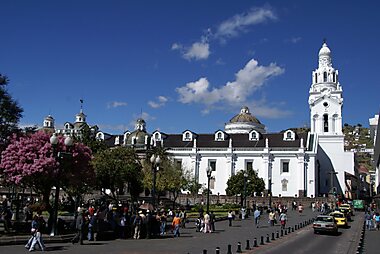
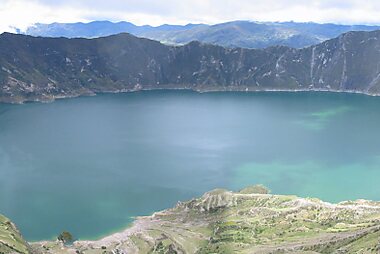
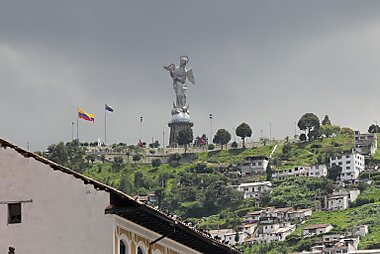
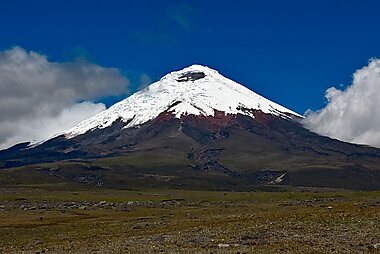
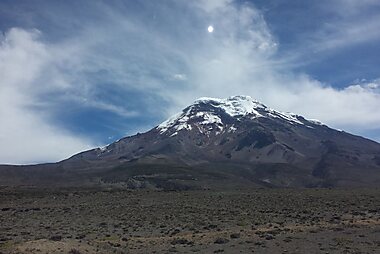
In the Andean highlands, Quito pairs one of South America's best-preserved colonial old towns, a UNESCO World Heritage Site, with easy access to volcanoes and crater lakes. Baños is the country's adventure-sports hub, ringed by waterfalls, and Otavalo draws visitors to its long-running indigenous market. Riobamba sits at the foot of Chimborazo, Ecuador's highest peak.
Further south, Cuenca is Ecuador's second UNESCO World Heritage city, known for its rivers and Panama-hat workshops, while nearby Loja and the retreat village of Vilcabamba are quieter, greener stops.
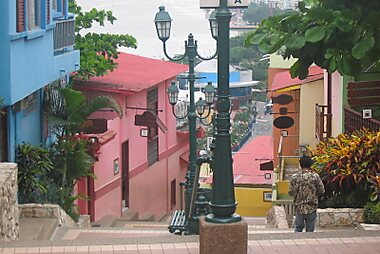
On the coast, Guayaquil is Ecuador's largest city and main port, Manta is a fishing and beach town, and Montañita is a laid-back surf village popular with backpackers.
Far offshore, Puerto Ayora on Santa Cruz Island is the main gateway to the Galápagos Islands and their wildlife.
Ecuador – Plan Your Trip
Pick the places you want to see and Tripomatic turns them into a day-by-day route, with smart routing, time estimates, and everything you need for a perfect trip.


Related destinations


Data: © OpenStreetMap contributors, Wikidata, Wikipedia, Tripomatic, Official websites, geoBoundaries (CC BY 4.0). Tours by GetYourGuide. We earn commission from bookings. Travel guide generated with AI.