



French Polynesia
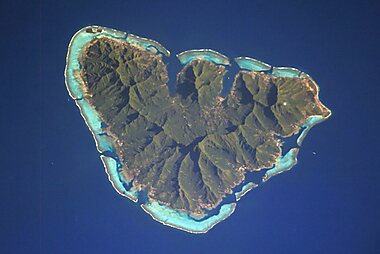
French Polynesia is a group of 118 islands and atolls scattered across the South Pacific, spread over an ocean area roughly the size of Europe. Politically it is an overseas collectivity of France, but daily life is distinctly Polynesian: outrigger canoes, tattoo art, and the Tahitian language remain part of everyday routine. The five archipelagos differ sharply from each other, from the volcanic peaks and lagoons of the Society Islands to the flat coral atolls of the Tuamotus and the wild, roadless valleys of the Marquesas. At Marae Taputapuātea on Raiatea, considered the ancestral center of Polynesian culture, voyagers once set out to settle the wider Pacific.
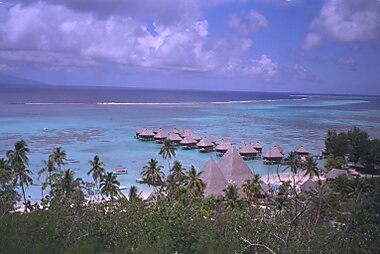
The islands suit honeymooners and travelers drawn to overwater bungalow resorts on Bora Bora and Moorea, but also divers, surfers, and hikers who fly further out to the Tuamotus and Marquesas for a rawer experience. It is not a budget destination: distances between islands are large, and most goods are imported. Travelers who plan around inter-island flights and add at least one outer archipelago to a Society Islands trip get the most out of it.




French Polynesia – Planning a Trip?
Build your day-by-day itinerary in the Tripomatic app.
Money & payments
The local currency is pegged to the euro at a fixed rate, so prices are predictable for anyone coming from the eurozone.
Card payment works in most hotels, restaurants, and shops on Tahiti, Moorea, and Bora Bora. Carry cash for small guesthouses (pensions), local markets, and any trip to the Tuamotus or Marquesas, where card machines and ATMs are scarce. ATMs are concentrated in Papeete and a handful of larger towns.


Tours & Activities
French Polynesia — Map

Tipping
Tipping is not part of local culture and was traditionally seen as awkward rather than generous. Service is built into restaurant and hotel prices. A small tip for an excursion guide, on a lagoon tour or shark-feeding trip for example, has become more common and is appreciated but never expected.
small amount for excursion guides is appreciated
Electricity
French Polynesia uses the same plugs and voltage as mainland France, so a standard European adapter works throughout the islands.
Language
French is the official language and dominates signage, menus, and official business. Tahitian (Reo Tahiti) and other Polynesian languages are still widely spoken at home and carry real cultural weight — place names, songs, and greetings are almost always Tahitian rather than French. English is common in the resort areas of Bora Bora and Moorea and in Papeete, but far less so on smaller islands and in the outer archipelagos.
Staying connected
Prepaid SIM cards and eSIMs are sold at telecom shops in Papeete and, at a higher price, at Faa'a Airport. Bring your passport — vendors may ask for ID. Data plans cost more than in mainland France. Coverage is reliable on Tahiti, Moorea, and Bora Bora but drops off sharply on smaller Tuamotu atolls and in parts of the Marquesas, where a resort's Wi-Fi may be the only connection for days at a time.
Safety & emergencies
French Polynesia is one of the safer destinations in the Pacific, with very little violent crime. Petty theft from parked cars, beaches, and unlocked bungalows does happen, so keep valuables out of sight. The more practical hazards are natural ones. Cyclone season runs from November to April. Ask locally about currents, sharp coral, and strong sun before swimming or snorkeling somewhere new.
Ciguatera fish poisoning affects some reef fish in the region. Ask a local source whether reef fish is safe to eat before buying it outside a restaurant.
Health
Tap water is treated and generally safe to drink in Papeete and on the main islands, but bottled or filtered water is the safer choice in the Tuamotus and Marquesas, where supplies often depend on rainwater catchment. Pharmacies are well stocked in Papeete and the larger towns; on smaller islands, plan around limited hours and stock. No special vaccinations are required for most travelers, but routine immunizations should be up to date. Because the main hospital is in Papeete, travel insurance that covers medical evacuation is worth having for any trip that includes the outer islands.
Visas & entry
Schengen visas do not apply here — French Polynesia sets its own entry rules, separate from mainland France. Citizens of the EU/EFTA, the United States, Canada, Australia, New Zealand, Japan, and several other countries can enter visa-free for up to 90 days within a 180-day period. Chinese citizens can currently enter visa-free for up to 15 days as part of a trip organized by an approved travel agency; outside that scheme, and for most other nationalities including India, a visa must be arranged in advance. Travelers from other countries should check whether a visa is required and apply at a French embassy or consulate.
Visa and entry requirements change frequently. Verify current requirements with the official immigration authority or your country's embassy before travel.
Etiquette
- Dress modestly at churches. Cover shoulders and knees. Sunday service is a genuine social event on most islands, not only a religious one.
- Greetings are warm: a handshake or a light cheek kiss, once on each side, is common between people who already know each other.
- Sundays are quiet. Most shops, and many restaurants outside hotels, close for the day.
- Ask before photographing people, church services, or dance rehearsals.
- Expect a relaxed pace. Schedules on smaller islands can run later than posted, and that is normal, not rude.
Holidays & opening hours
Sunday closures are the single most disruptive thing for visitors to plan around: most shops, and many restaurants outside hotels, do not open. Grocery shopping and errands are best done on Saturday.
The Heiva i Tahiti festival, a month of traditional dance, singing, and sporting competitions held around National Day in July, is the biggest event of the year and fills hotels on Tahiti well in advance.
Getting around
- By air: Air Tahiti operates the domestic network linking nearly 50 islands. Flying is often the only practical way between archipelagos. Book inter-island legs early in peak season (July–August, December–January).
- By boat: Fast ferries connect Papeete with Moorea in about 30–45 minutes. Slower cargo-passenger ships ("goélettes") serve the Tuamotus and Marquesas on multi-day runs and are used by locals and adventurous travelers alike.
- By road: Rental cars and scooters cover Tahiti, Moorea, and Bora Bora well. City buses run in and around Papeete. Elsewhere, a rental car or an organized transfer is usually necessary.
Driving
- Rules: French Polynesia follows the French traffic code. Seatbelts are mandatory, and the blood-alcohol limit (0.05%) is lower than some travelers may be used to.
- Between islands: a rental car only ever covers a single island. There are no bridges or causeways linking the archipelagos, so plan ferries or flights for the rest of the trip.
- Parking: informal and usually free outside Papeete; central Papeete has metered on-street parking.
- Fuel: stations are self-service on Tahiti and Moorea, attended on some smaller islands. Pumps use French labels: "Sans Plomb" for petrol and "Gazole" for diesel.
Food & drink
Breakfast is often French in style — a baguette or croissant with coffee — while lunch and dinner turn Polynesian, built around fresh fish and coconut. Poisson cru, raw tuna marinated in lime juice and coconut milk, is the closest thing to a national dish and appears on nearly every menu. Roasted breadfruit (uru), taro, and coconut-based stews like poulet fafa round out a typical plate.
Street food centers on roulottes — food trucks that gather each evening in Papeete's harborside square, serving everything from Chinese-Polynesian noodle dishes to wood-fired pizza and crepes. Chinese immigration in the 19th and 20th centuries left a lasting mark on the everyday menu, alongside French bakery culture and the islands' own seafood traditions. Hinano, the local lager, is the default drink at a casual meal, and Tahitian vanilla, among the most prized in the world, turns up in everything from desserts to cocktails.
Where to explore
French Polynesia's five archipelagos are spread across an ocean area roughly the size of Europe, so most trips focus on one or two of them.
The Society Islands hold the country's best-known destinations. The Windward Islands include Tahiti — home to the capital, Papeete, and the country's only international airport — and its quieter neighbor Moorea. The Leeward Islands hold French Polynesia's most photographed scenery: Bora Bora's lagoon, Huahine's villages, Raiatea's ancestral marae, and Taha'a's vanilla plantations.
The Tuamotu Archipelago is a chain of more than 75 low coral atolls stretching east of Tahiti, known for diving, pearl farms, and islands like Rangiroa and Fakarava.
The Marquesas Islands are rugged and mountainous, largely without lagoons or barrier reefs — a wilder, less-visited alternative to the Society Islands, rich in Marquesan carving and tiki traditions.
Further south, the Austral Islands see few visitors outside the July–October humpback whale season, and remote Gambier, at the country's eastern edge, is the most isolated of all, reached by an infrequent flight or a multi-day boat trip.
French Polynesia – Plan Your Trip
Pick the places you want to see and Tripomatic turns them into a day-by-day route, with smart routing, time estimates, and everything you need for a perfect trip.



