



Martinique
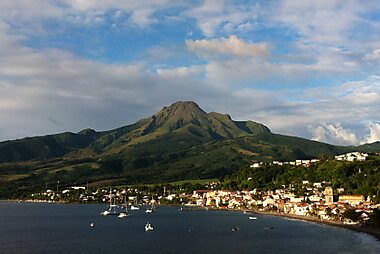
Martinique is a French island in the eastern Caribbean, part of France and the European Union despite sitting more than 6,000 km from Paris. Steep, forested mountains dominate the north around the active volcano Mount Pelée. The south flattens into white-sand bays and calm, reef-sheltered water. Sugarcane and rum built the island's economy for centuries, and that history still shapes daily life: rum distilleries, old sugar estates, and Creole cooking are as much a part of a visit as the beaches.
The island suits travelers who want activity as well as beach time. Hiking volcanic trails, touring rum distilleries, and exploring colonial ruins are easy to combine with days on the sand. Because it is French territory, prices and formalities feel European even in a tropical setting. This is worth knowing when planning a budget or booking a rental car.




Martinique – Planning a Trip?
Build your day-by-day itinerary in the Tripomatic app.
Money & payments
Martinique uses the euro, the same currency as mainland France.
ATMs are common in Fort-de-France and the larger towns. They become scarce in rural areas and smaller coastal villages, so plan ahead before heading off the main roads. Carry some cash for roadside food stalls ('lolos'), open-air markets, and a few rum distillery tours, where cards are not always accepted. Everyday prices for food, fuel, and rentals run close to mainland French levels. Some imported goods cost more, since nearly everything arrives by ship.


Featured Lists


Best Beaches
Martinique's coastline offers a stark contrast between the volcanic black sands of the north and the white coral shores of the south. These beaches range from the sheltered, shallow waters of Pointe Marin and Anse Michel, frequently used for windsurfing, to the wild Atlantic waves of Anse Trabaud and Grande Anse Macabou. Many sites, such as Anse Noire and Grande Anse d’Arlet, provide habitats for sea turtles and diverse marine life easily accessible from the shore.
20 places

Martinique Museums & Art
Martinique’s cultural landscape is defined by its colonial history, volcanic activity, and agricultural heritage. This collection features the Volcanological Museum in Saint-Pierre, documenting the 1902 eruption of Mount Pelée, and La Pagerie, the birthplace of Empress Joséphine. Visitors can explore the island's economic roots at the House of Sugar Cane and the Banana Museum, or visit the ruins of Château Dubuc. Art enthusiasts can visit the Paul Gauguin Museum or contemporary centers like Espace Camille Darsières, housed in a neoclassical former courthouse.
20 places
Tours & Activities
Martinique — Map

Tipping
Restaurant bills already include service by French law, so a tip is a bonus rather than an obligation. Adding a few extra euros for good service is common in tourist areas, but it stays optional. Bar tabs and casual cafés see little to no tipping.
service is included by law; a small rounding up is appreciated, not expected
round up to the nearest euro
1-2 EUR per bag for porters
a few euros for a half-day tour
Electricity
Martinique uses the same two-pin plugs and voltage as mainland France, so a standard European adapter is all most travelers need.
Language
French is the official language, and Martinican Creole is spoken at home and among friends across the island. English is limited outside hotels, car rental desks, and the main tourist areas around Fort-de-France and the south coast resorts. A few French phrases are useful elsewhere. Menus, road signs, and museum labels are almost always French only.
Staying connected
Martinique sits outside many mainland European carriers' free-roaming zones, even though the island is French territory. A European SIM can add high data charges here. For a longer stay, a local prepaid SIM from Orange, Digicel, or Free — sold at the airport and in Fort-de-France — is usually cheaper. No special ID registration is required to buy one.
Safety & emergencies
Martinique is a low-crime destination for visitors, and violent crime against tourists is rare. The main risk is opportunistic theft from parked rental cars and unattended bags on beaches. Keep valuables out of sight, and don't leave belongings unwatched at the shore. Ocean currents can be strong on the Atlantic (east) coast. Save open-water swimming for the calmer Caribbean side unless a beach is clearly marked safe.
Health
Municipal tap water is treated and generally safe to drink. Past pesticide contamination (chlordecone) has affected soil and some groundwater in banana-growing areas. Ask locally about well water in rural areas, though regular tap supplies are tested. Pharmacies, marked with a green cross, are common in every town. They rotate for night and Sunday duty, with the current schedule usually posted on the door of the nearest one. No routine vaccinations are required for entry. The exception is a yellow fever certificate, required for travelers arriving from a country with risk of yellow fever transmission. Standard travel vaccinations are otherwise worth discussing with a doctor before an active outdoor trip. Mosquito-borne illness is a small but real risk in the tropics, so use repellent, especially around dawn and dusk.
Visas & entry
Martinique is French territory, but it sits outside the Schengen Area. A Schengen visa or ETIAS authorization does not cover it. Travelers who need a visa for mainland France may still need a separate visa for Martinique. Check with a French embassy or consulate rather than assuming Schengen paperwork applies here.
French and other EU citizens enter with just a national ID card or passport, no visa needed. Citizens of the US, Canada, UK, Australia, and many other countries can enter visa-free for short stays, similar to mainland France.
Visa and entry requirements change frequently. Verify current requirements with the official immigration authority or your country's embassy before travel.
Etiquette
A polite 'Bonjour' is expected before any request, even to a shopkeeper, a bus driver, or a stranger you ask for directions. Skipping it is noticed. Light cheek kisses ('bises') are common between friends, while a handshake is standard on a first meeting or in business settings.
Dress modestly in churches, with covered shoulders and knees. Topless sunbathing is accepted on many beaches, especially along the south coast, but not all — check what other visitors are doing at a given beach first.
Some beaches, including Grande Anse des Salines, protect nesting sea turtles. Keep off marked dune areas at night in nesting season, and never take sand, shells, or coral as souvenirs.
Holidays & opening hours
Many shops close for a long lunch break, roughly 12:30 to 15:00, and again on Sunday afternoons. Plan errands and grocery runs for the morning. Public holidays follow the French national calendar, plus a local holiday each May 22 marking the abolition of slavery, when most businesses close for the day.
Getting around
- By air: Martinique Aimé Césaire International Airport (FDF), near Le Lamentin, is the main gateway. It has direct flights from mainland France and a handful of regional Caribbean and North American routes.
- By sea: Ferries connect Martinique to Guadeloupe, Dominica, and Saint Lucia. A separate harbor ferry links Fort-de-France to the south-coast towns across the bay, often faster than driving around it.
- By car: Renting a car is the practical way to see the island — public transport does not reach most beaches or hiking trailheads. Main roads are well paved; roads in the north are narrow and winding.
- By bus and shared taxi: 'Collectifs' (shared minivans marked TC) run fixed routes for a flat fare, paid in cash to the driver. They are the main way residents travel without a car. Fort-de-France also has a dedicated bus rapid transit line into downtown.
- By taxi: Metered taxis are available but expensive. Agree on a fare in advance for longer trips, especially from the airport at night, when rates run higher.
Driving
- Speed limits: 50 km/h in towns, 80 km/h on most main roads, 110 km/h on the short A1 motorway between the airport and Fort-de-France.
- Roads: mountain roads in the north are narrow, steep, and winding. Drive cautiously, and expect slower travel times than the distance suggests. Heavy tropical rain can flood low-lying roads without much warning.
- Tolls: none. The island's roads, including its one short motorway, are free to use.
- Parking: metered street parking in central Fort-de-France. Parking near beaches and rural sights is generally free and plentiful.
- Fuel: petrol is sold as 'Sans Plomb 95' or 'Sans Plomb 98' and diesel as 'Gazole'. Stations are self-service in towns and along main roads, with card payment standard.
Food & drink
Martinican cooking blends French technique with Creole, West African, and South Asian influences. The last of these arrived with 19th-century indentured laborers from India. Lunch, not dinner, is often the main meal of the day outside the cities. Many workers eat at simple roadside stalls called 'lolos', which serve a hot plate for a fixed price.
Rum is central to both food and drink. Martinique produces AOC-protected rhum agricole, distilled straight from cane juice rather than molasses. A ti-punch — rum, lime, and cane syrup, mixed to taste — is the standard opener before a meal, not an after-dinner drink. Markets and roadside stands sell tropical fruit and fresh coconut water by the glass.
Where to explore
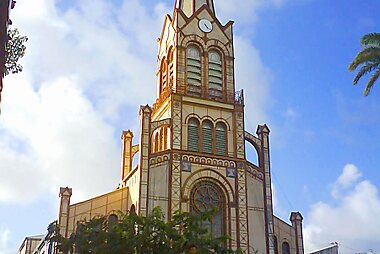
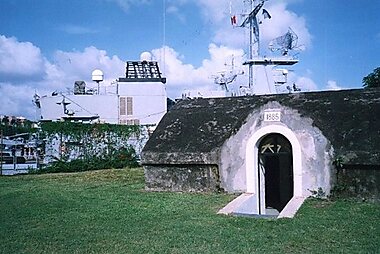
Fort-de-France, the capital, holds the island's main harbor, Fort-de-France Cathedral, Fort Saint-Louis, and the palm-lined La Savane Park at its center. It makes a practical base for exploring the rest of the island. Next door, Le Lamentin holds the island's airport and its commercial zone.
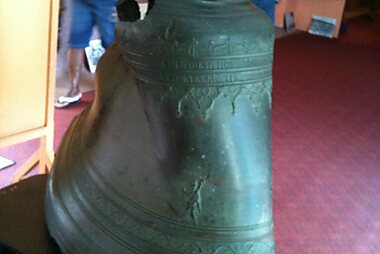
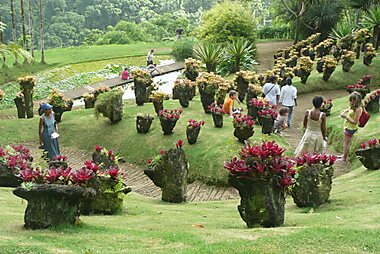
In the north, the town of Saint-Pierre sits at the foot of Mount Pelée, the volcano that destroyed it in 1902. Its ruins, including Cyparis Dungeon and the Cathedral of Our Lady of the Assumption, are now open-air history, and the Frank Perret Volcanology Museum covers the eruption itself. Nearby, the botanical Balata Garden and the rainforest trails of the Pitons du Carbet draw hikers. The Caravelle Lighthouse marks the wild Caravelle peninsula on the Atlantic coast, near Le Robert and the rum estate Habitation Clément.
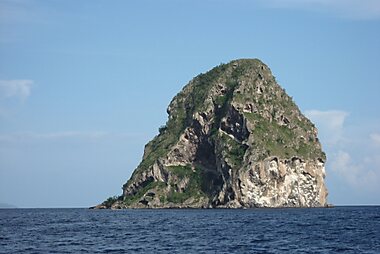
The south is where most beach travel happens. The town of Sainte-Anne backs onto Grande Anse des Salines, a long white-sand beach backed by coconut palms. Trois-Îlets holds La Pagerie, birthplace of Empress Joséphine, and the open-air La Savane des Esclaves. Offshore near Le Diamant, Diamond Rock rises straight out of the sea.


Martinique – Plan Your Days
Turn the places from this guide into a real itinerary, with smart routing, time estimates, and everything you need for a perfect trip.




