



Mauritius
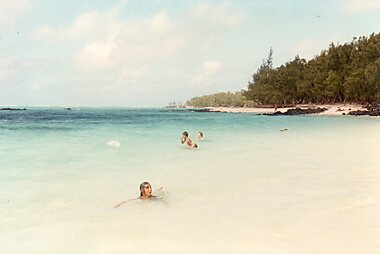
Mauritius is a small volcanic island in the Indian Ocean, ringed by coral reefs and lined with white-sand beaches. It was the only home of the dodo, a flightless bird that went extinct in the late 17th century after European sailors arrived. Beyond the beaches, the interior holds jungle-covered mountains, tea plantations, and sugarcane fields. The population blends Indian, African, Chinese, and European roots, visible in temples, mosques, churches, and pagodas standing side by side.
The island suits travelers looking for beach relaxation, especially honeymooners and families, but it also rewards hikers, divers, and kitesurfers. Rodrigues is a smaller, quieter island about 600 km away and makes a good add-on for travelers with extra time.




Mauritius – Planning a Trip?
Build your day-by-day itinerary in the Tripomatic app.


Money & payments
Cards are accepted at hotels, resorts, and most restaurants in tourist areas. Keep cash on hand for local buses, small vendors, and markets outside the main resort towns. ATMs are common in Port Louis and coastal towns, less so in rural inland areas.
Featured Lists


Scenic Viewpoints & Nature
This collection highlights the diverse topography of Mauritius and its outer islands, Rodrigues and Agaléga. It features the island's second and third highest peaks, Pieter Both and Le Pouce, alongside dramatic coastal formations like the volcanic rock bridge at Pont Naturel. The list also includes strategic maritime vantage points on Rodrigues and the famous Maconde viewpoint, situated on a sharp hairpin bend of the southern coastal road overlooking the Baie du Cap.
8 placesTours & Activities
Mauritius — Map

 Open the interactive map
 Tipping
Tipping in Mauritius is appreciated but not expected the way it is in North America. Many resorts and hotels already add a service charge to the bill, so check before adding more.
5-10% if no service charge included
small tip for porters and housekeeping
round up the fare
appreciated for a full-day tour
Electricity
Mauritius uses both Type C (European two-pin) and Type G (British three-pin) sockets at 230 V / 50 Hz, so check which one your accommodation has and pack an adapter if needed.
Language
English is the official language of government and education, but French is used just as widely in daily life, media, and business. Most Mauritians speak Mauritian Creole at home, a French-based creole language.
Tourism staff generally speak both English and French well. A few French phrases help a lot with locals outside the main resorts.
Staying connected
Prepaid SIM cards from local providers are sold at the airport and in shopping malls; bring your passport to register. Local networks support eSIM activation for travelers who prefer not to swap a physical card.
There are no internet restrictions or content blocking for tourists.
Safety & emergencies
Mauritius is one of the safer destinations in the region for tourists. The most common problems are petty theft — bag-snatching on beaches and thefts from parked cars — rather than violent crime. Keep valuables out of sight, especially on public beaches and busy markets like Central Market.
Traffic is the bigger everyday risk: roads are narrow and poorly lit outside town centers, and drivers and pedestrians share the same space. Take care walking along coast roads at night.
The cyclone season runs roughly from November to April, with the highest risk in January and February. Storms are usually well forecast, and hotels follow standard safety procedures if one approaches.
Health
Tap water is treated across the main tourist areas, but many visitors stick to bottled water as a precaution, especially in rural areas. Bottled water is inexpensive and sold everywhere.
Pharmacies are easy to find in every town and can advise on minor ailments; most keep regular shop hours and close on Sundays. No special vaccinations are required to enter Mauritius, but routine vaccines plus hepatitis A are commonly recommended for travelers — check with a travel clinic before your trip. If you're arriving from a country with a risk of yellow fever, you'll need to show a vaccination certificate.
Visas & entry
Most visitors, including citizens of the EU, UK, US, and many other countries, can enter Mauritius visa-free for tourism and are issued an entry permit on arrival, typically valid for a stay ranging from a few weeks to a few months depending on nationality. Check your specific allowance before booking, since the exact number of visa-free days varies by passport.
Travelers from countries without visa-free access can apply for a tourist visa through a Mauritian embassy or consulate before travel.
Visa and entry requirements change frequently. Verify current requirements with the official immigration authority or your country's embassy before travel.
Etiquette
Mauritius is religiously diverse, and its temples, mosques, and churches expect modest dress — cover shoulders and knees, and remove your shoes before entering a Hindu temple or mosque. Ask before photographing people or the inside of a place of worship.
A handshake is the standard greeting; among friends, a light cheek kiss is common. Bargaining is expected at markets like Central Market, but not in shops with fixed prices.
Holidays & opening hours
Mauritius observes a mix of Hindu, Christian, Muslim, and Chinese holidays, reflecting its population. Many shops and most government offices close on public holidays, though resorts and larger supermarkets usually stay open.
Shop hours vary by type: small shops and markets often stay open long days six days a week, while malls and larger supermarkets tend to open around mid-morning and close in the early evening. Sunday trading is limited outside tourist areas and supermarkets.
Getting around
- By bus: The island-wide bus network is the cheapest way to get around and reaches most towns and villages; pay the fare on board.
- By light rail: The Metro Express light rail connects Port Louis with the central plateau towns, useful for skipping traffic on that corridor.
- By air: Domestic flights connect the main island to Rodrigues, a flight of about 90 minutes; there is no practical land or sea alternative for a short visit.
- By taxi: Taxis and ride-hailing apps cover the whole island and are the easiest way to reach spots the bus network skips.
- Driving side: Mauritius drives on the left, which matters if you're renting a car.
Driving
- Speed limits: 40 km/h in built-up areas, 80 km/h on the open road, and 110 km/h on the island's short motorway network.
- Parking: Port Louis uses a prepaid parking coupon system instead of meters — buy a booklet from a newsagent and display it on the dashboard.
- Congestion: Traffic around Port Louis backs up badly on weekday mornings and evenings; plan around rush hour if you're driving through.
- Fuel: Petrol stations are staffed, not self-service, and take cash or card. Pumps are simply labelled Petrol and Diesel.
- Electric vehicles: Charging points are still limited outside a handful of hotels and the main towns, so a petrol or diesel rental remains the practical choice for now.
Food & drink
Mauritian food blends Indian, Creole, Chinese, and French influences into its own style, built around rice, curry, and fresh seafood. A weekday lunch is often a curry with rice and a side of rougaille, a tomato-based sauce with onion, garlic, and thyme, served with fish, chicken, or sausages.
Street food is a big part of daily eating. Dholl puri — a flatbread filled with ground yellow split peas, served folded with curries and chutneys — is the island's signature snack, sold from small stalls everywhere. Other favorites include gato pima (deep-fried chili cakes), samosas, and boulette soup, a Chinese-influenced dumpling broth.
Tea is the everyday hot drink, grown locally in the central highlands. Mauritian rum, distilled from sugarcane, comes in white, spiced, and aged versions and is worth trying at a distillery. Alouda, a cold drink made with milk, basil seeds, and syrup, is a popular refresher on a hot day.
Where to explore
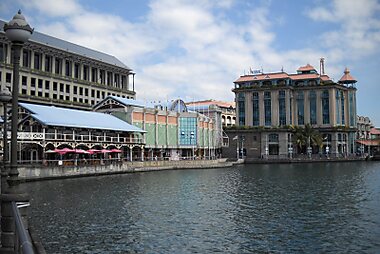
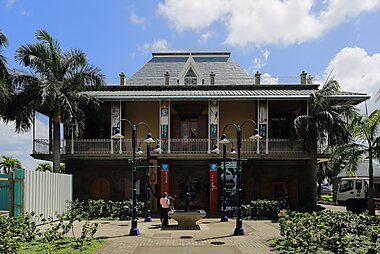
Port Louis, the capital, is worth a half-day stop for its markets and colonial-era sights: the Caudan Waterfront promenade, the Blue Penny Museum, the hilltop Fort Adelaide, and the UNESCO-listed Aapravasi Ghat, which tells the story of the island's indentured labourers.
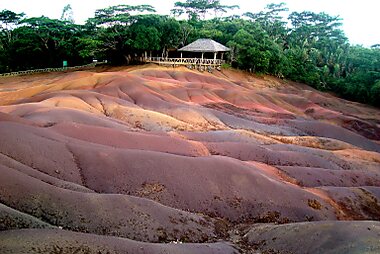
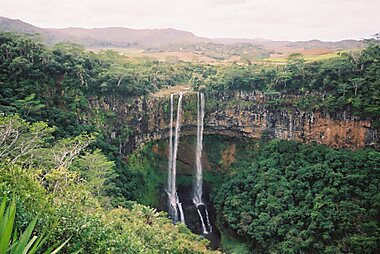
Most visitors base themselves in one of the coastal resort areas instead. Grand Baie in the north has the most shopping, nightlife, and boat-trip operators. Flic en Flac on the west coast has calm, sheltered beaches and is close to Casela Nature Parks and the Chamarel valley, home to the Seven Coloured Earth in Chamarel and Chamarel Waterfall. Belle Mare and Trou d'Eau Douce on the east coast are the gateway to Île aux Cerfs, a popular day-trip islet.
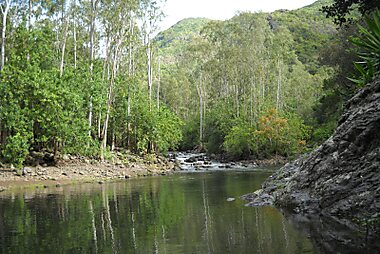
The south is quieter and greener: Black River Gorges National Park has marked hiking trails, and the fishing town of Mahébourg sits near Blue Bay's marine park and the islet nature reserve of Île aux Aigrettes. Inland, the hill town of Curepipe is close to Trou aux Cerfs, an extinct volcanic crater, and the sacred lake of Ganga Talao.
Rodrigues, reached by a short flight, is a slower-paced island of fishing villages, coral lagoons, and hiking trails — a good add-on for travelers with a week or more.


Mauritius – Plan Your Days
Turn the places from this guide into a real itinerary, with smart routing, time estimates, and everything you need for a perfect trip.

