


Nepal
Nepal packs three very different worlds into one small country: the ancient temple squares of the Kathmandu Valley, the world's highest mountains, and the jungle lowlands of the Terai. It is landlocked, wedged between India and China, and reached mainly by air into Kathmandu.
Most visitors come for two reasons: trekking in the Himalaya and the layered Hindu and Buddhist culture of the valley towns. Nepal suits travelers who don't mind basic infrastructure and slow overland journeys in exchange for dramatic scenery and a genuinely different pace of life. Build extra days into any plan — mountain flights get delayed by weather and hill roads are slow.



Nepal – Planning a Trip?
Build your day-by-day itinerary in the Tripomatic app.


Money & payments
Cash still runs daily life outside Kathmandu and Pokhara: local buses, trekking lodges, and small shops rarely take cards. ATMs are common in cities and tourist towns but scarce on trekking routes — withdraw enough before heading into the mountains. Many banks cap ATM withdrawals per transaction, so budget for several visits.
Featured Lists

Nepal Essentials
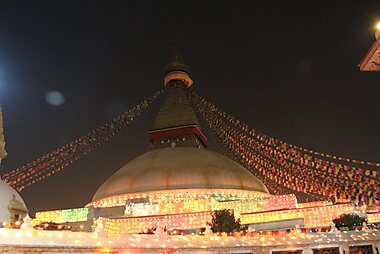
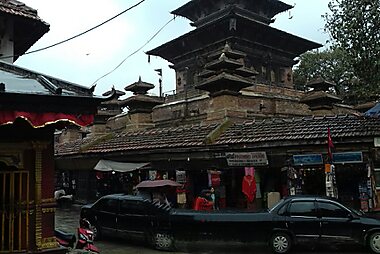
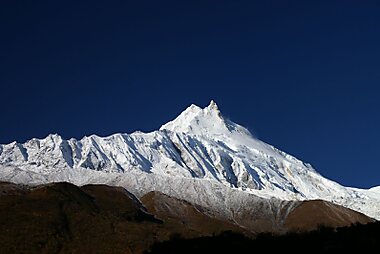
Nepal features eight of the world's fourteen highest peaks, including Mount Everest, Annapurna I, and Dhaulagiri. This collection spans the country’s diverse geography, from the turquoise alpine waters of Tilicho and Phoksundo lakes to the sacred UNESCO World Heritage sites of the Kathmandu Valley. The list includes the ancient royal architecture of Basantapur and Patan Durbar Squares, the historic pagoda-style Pashupatinath and Nyatapola temples, and the spiritual stupas of Boudha and Swayambhunath. Pokhara serves as a gateway to Phewa Lake and the Himalayan viewpoints of Sarangkot.
19 places


Tours & Activities
Nepal — Map

 Open the interactive map
 Tipping
Tipping is not built into prices, but it is increasingly expected in tourist-facing businesses.
- Trekking guides and porters rely on tips as a real part of their income — budget for it as part of the trip cost, not an afterthought.
- Restaurants in tourist areas sometimes add a service charge; check the bill before adding more on top.
- Taxi drivers don't expect a tip, but rounding up the fare is appreciated.
5-10% if no service charge is included
NPR 50-200 per bag or service
round up the fare
NPR 1,500-2,500 per day on a trek
Electricity
Nepal uses Type C and D sockets at 230 V / 50 Hz. Power cuts still happen outside Kathmandu, so a lodge or guesthouse without power for an hour or two is normal, not a sign of trouble.
Language
Nepali is the official language, written in the Devanagari script used across the country. English is widely spoken in Kathmandu, Pokhara, and along the main trekking routes, where tourism runs largely in English. Away from these areas, in villages and rural Terai towns, English drops off fast.
Staying connected
A tourist SIM or eSIM is easy to buy on arrival at Tribhuvan International Airport or any phone shop in Kathmandu — bring your passport, since registration requires it. Coverage is good in cities and along the main trekking routes, but gets patchy or disappears at higher altitudes and in remote valleys, so don't count on a reliable signal above the last big village on a trek.
Safety & emergencies
Nepal is generally safe for travelers; violent crime against tourists is rare. The most common problems are petty theft in crowded areas, overcharging by unlicensed taxis, and trekking-related risks: altitude sickness, sudden weather changes, and poorly marked trails on remote routes. Always share your trekking plan with someone before setting off.
Health
Tap water is not safe to drink; use bottled or filtered water everywhere, including for brushing teeth. Pharmacies are common in cities and sell most medications without a prescription, but stock thins out in rural areas and on trekking routes.
Altitude sickness is the biggest health risk for trekkers heading above 2,500-3,000 m. Ascend gradually, build rest days into any itinerary above that altitude, and know the warning signs — headache, nausea, and dizziness mean stop climbing and descend if they don't improve. No vaccinations are mandatory for entry, but check with a travel clinic well before departure, since several are commonly recommended for the region.
Visas & entry
Most nationalities need a visa to enter Nepal, available on arrival at Tribhuvan International Airport in Kathmandu, Gautam Buddha International Airport, and major land border crossings. Indian nationals do not need a visa, and citizens of SAARC countries get 30 days visa-free.
Tourist visas on arrival are typically available for 15, 30, or 90 days, paid in US dollars cash or by card at the airport kiosk. A handful of nationalities cannot get a visa on arrival and must apply at a Nepali embassy in advance.
Visa and entry requirements change frequently. Verify current requirements with the official immigration authority or your country's embassy before travel.
Etiquette
- Remove your shoes before entering temples, monasteries, and most homes.
- Dress modestly at religious sites — cover shoulders and knees.
- Use your right hand for eating, giving, and receiving, especially money and food.
- Walk clockwise around Buddhist stupas and mani walls, keeping them on your right.
- Ask before photographing people, especially at cremation ghats and during religious ceremonies.
- Public displays of affection are uncommon and can draw unwanted attention.
Holidays & opening hours
Most shops and markets open daily, including Saturdays, Nepal's main weekly holiday. Government offices and banks close on Saturdays and run short-staffed around other public holidays. Major festivals — especially Dashain and Tihar in autumn — can shut down transport, banks, and many businesses for several days at a time; plan trips around them rather than through them.
Getting around
- By air: Domestic flights connect Kathmandu with Pokhara, Lukla for the Everest region, and other regional airports — often the only practical way to reach a trekking trailhead or the far west and east of the country. Mountain flights are weather-dependent, and delays are common, especially to Lukla.
- By bus: Tourist and public buses link the main cities on paved but slow, winding roads, including routes between Kathmandu, Pokhara, and Chitwan National Park.
- By private car or jeep: A private car with driver is the most comfortable way to reach Nagarkot or Bhaktapur from Kathmandu, and worth it for longer trips through the hills.
- On foot: The Everest region has no road access at all — it's reached only by flight to Lukla or on foot. Parts of the Annapurna region now have jeep roads, but the high passes and the Annapurna Base Camp trek remain trekking-only.
- Driving side: Nepal drives on the left, which can feel disorienting in a taxi or rental car if you're used to right-hand traffic.
Driving
- Road conditions: Roads outside the Kathmandu Valley are narrow, winding, and often shared with livestock, pedestrians, and landslide debris during the monsoon. Night driving in the hills is best avoided.
- Documents: Bring an International Driving Permit alongside your home license. Self-drive rentals are uncommon — most visitors hire a car or jeep with a driver instead.
- Fuel: Stations are attendant-served and typically cash-only outside the main cities. Supply can run short in remote hill districts, so fill up before a long drive.
- Parking: Informal and largely unregulated outside city centers; hotels can usually arrange parking or a guarded spot nearby.
Food & drink
Nepali food centers on dal bhat — lentil soup, rice, and vegetable curry — eaten once or twice a day by most people, often with unlimited refills. Meals are traditionally eaten with the right hand, though restaurants in tourist areas provide cutlery without being asked. Newar cuisine from the Kathmandu Valley adds its own festive dishes, built around buffalo meat, beaten rice, and pickles.
Street food leans toward momo, steamed or fried dumplings sold everywhere from street carts to sit-down restaurants, along with fried snacks and sweets sold at markets and during festivals. Milk tea, spiced with ginger or cardamom, is the default hot drink and a fixture of trekking lodges.
In cities, options range from simple local eateries serving set meals to restaurants aimed at travelers, serving Nepali, Tibetan, Indian, and international food. On trekking routes, menus are more limited and prices climb with altitude, since supplies are carried in by porter or mule.
Where to explore
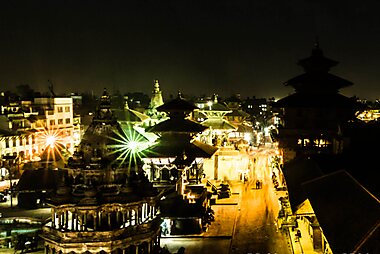
Nepal's most visited region is the Kathmandu Valley, home to three former royal cities packed with UNESCO-listed temple squares: Kathmandu, Bhaktapur, and Lalitpur. For valley views without the crowds, Nagarkot is a popular sunrise lookout over the Himalaya.
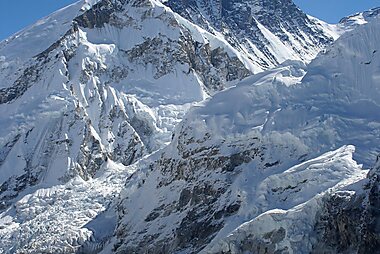
Pokhara is the gateway to the Annapurna region and Nepal's main base for trekking, paragliding, and lakeside relaxation. Further into the mountains, Namche Bazaar is the last major town before Everest Base Camp, inside Sagarmatha National Park.
The lowland Terai has its own draws: Chitwan National Park and Bardiya National Park are the best places to see rhinos, and sometimes tigers, on a jungle safari. Pilgrims and history travelers head to Lumbini monastic zone, the birthplace of the Buddha, and Janakpurdham, a major Hindu pilgrimage city linked to the Ramayana.
Nepal – Plan Your Trip
Pick the places you want to see and Tripomatic turns them into a day-by-day route, with smart routing, time estimates, and everything you need for a perfect trip.