



Peru
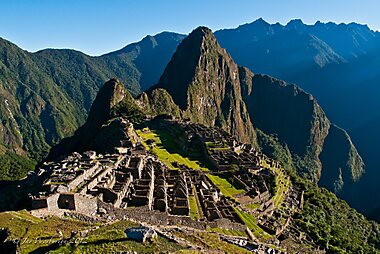
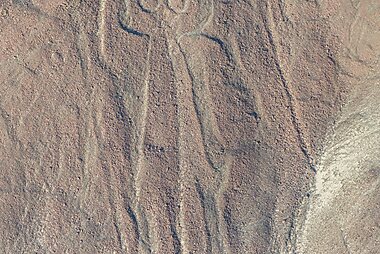
Peru stretches from a dry Pacific coast, across the high Andes, to the Amazon rainforest. The country holds three very different worlds in one trip. Its best-known draw is Inca history: Machu Picchu rises above the Sacred Valley near Cusco, once the capital of the Inca Empire, and ruins spread across the highlands, from Ollantaytambo to Kuelap in the north. Lima's restaurant scene is a destination in its own right, drawing travelers who plan trips around food alone. The desert coast adds its own mysteries, like the Nazca Lines and the sand dunes at Huacachina Oasis.
This suits travelers who like to keep moving. A typical trip crosses several climates and altitudes: humid coastal Lima, thin mountain air around Cusco and Lake Titicaca, and Amazon heat in the east. Build in time to adjust to altitude before any trekking. Peru's highlights are spread far apart, so expect long bus rides or short flights between regions.




Peru – Planning a Trip?
Build your day-by-day itinerary in the Tripomatic app.


Money & payments
ATMs are common in Lima, Cusco, and Arequipa; use ones attached to a bank branch to avoid high fees and card-skimming. Carry cash for local markets, small towns, and short taxi or bus rides, where cards are rarely an option. In the Amazon and rural highlands, bring more cash than you think you'll need — ATMs are scarce.
Featured Lists


Peru's Natural Parks and Viewpoints
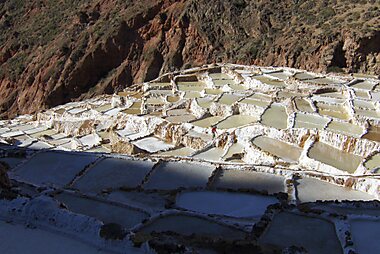
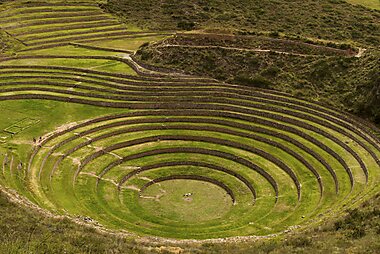
This collection spans Peru’s diverse geography, featuring high-altitude Andean peaks like Mismi and Padreyoc alongside the vast Amazonian rainforests of Alto Purús and Sierra del Divisor. It includes geological formations like the Marcahuasi plateau and the coastal wetlands of Las Salinas. Historic sites are represented by the Inca terraces of Intipata and Lima’s colonial-era Park of the Wall. Strategic viewpoints like Mirador Catalina Recavarren and Morro de Calzada offer perspectives over the Pacific coast and the San Martín region.
12 placesTours & Activities
Peru — Map

 Open the interactive map
 Tipping
Tipping in Peru is not automatic, but it matters more here than in many neighboring countries, especially for tour guides and trekking staff.
~10%, unless a service charge is already included
3-5 soles per bag for bellhops
round up the fare
20-40 soles per person/day; more for multi-day trek porters and cooks
round up or ~10%
Round up a restaurant bill or add about 10% if service isn't already included — it's a courtesy, not an obligation. Taxi drivers don't expect a tip; agreeing on the fare before the ride matters more than what you add afterward. On multi-day treks like the Inca Trail, porters and cooks rely on tips as part of their income, so budget for them separately from your guide's tip.
Electricity
Peru uses Type A/B/C plugs at 220 V / 60 Hz, so most chargers from outside North America need only a plug adapter, not a voltage converter.
Language
Spanish is Peru's main language, alongside Quechua and Aymara in the highlands. English is spoken at hotels, tour agencies, and restaurants in Lima, Cusco, and other tourist areas, but far less in small towns and rural areas. A few Spanish phrases go a long way outside the main tourist circuit.
Staying connected
Prepaid SIM cards from Claro, Movistar, or Entel are sold at airports and phone shops in most cities; bring your passport, since registration is required. Coverage thins out quickly in the Amazon and remote mountain areas. An eSIM is a simpler option for a short trip and covers cities and the main tourist routes well.
Safety & emergencies
Peru is generally safe for tourists who take normal precautions. The most common problems are pickpocketing and bag-snatching in crowded areas of Lima and Cusco, and on public transport — keep valuables out of sight and use a taxi booked by app or through your hotel rather than one hailed on the street. Only book treks and tours through officially licensed operators, especially at high altitude.
Health
Tap water isn't safe to drink in Peru — stick to bottled or purified water, including for brushing teeth, and check that ice in drinks comes from purified water. Pharmacies (farmacias) are common in cities and well stocked; some stay open late or 24 hours in tourist areas.
Altitude is the main health concern for most visitors. Cusco and Puno both sit above 3,000 meters, and altitude sickness can affect anyone, regardless of fitness. Many travelers spend a day or two in the lower Sacred Valley first to help the body adjust before heading up to Cusco. Drink plenty of water, and try mate de coca (coca-leaf tea), a local remedy for mild symptoms. No vaccinations are mandatory for entry, but check with a travel clinic about yellow fever and typhoid if you're heading to the Amazon.
Visas & entry
Most visitors from the United States, Canada, the EU, the UK, Australia, and much of Latin America can enter Peru visa-free as tourists. Border officers typically stamp passports for a 90-day stay; if you plan to stay longer, ask for more time when you arrive, since extensions are difficult to get once you're already in the country. Citizens of some other countries need a visa arranged in advance through a Peruvian consulate. Your passport should be valid for at least six months beyond your arrival date, with at least two blank pages.
Visa and entry requirements change frequently. Verify current requirements with the official immigration authority or your country's embassy before travel.
Etiquette
Modest dress is expected in churches and cathedrals — cover your shoulders and knees. Greetings are warm: a handshake on first meeting, and a single cheek kiss between women, or between a man and a woman who already know each other. Always ask before photographing people, especially in indigenous communities in the highlands; some expect a small tip in return. Bargaining is normal in markets and with street vendors, but not in shops, restaurants, or with registered tour operators.
Holidays & opening hours
Public holidays can close banks, government offices, and some shops, and long-distance buses fill up fast around major dates like Independence Day and Easter week.
Most shops and markets open daily, including Sundays, though smaller businesses often close for a long lunch in the early afternoon. Restaurants in tourist areas keep late hours; outside the main cities, expect earlier closing times.
Getting around
- By air: Peru's size and mountainous terrain make domestic flights the fastest way between regions — Lima to Cusco takes about 1.5 hours, against a full day or more by road. LATAM, Sky Airline, and JetSmart operate the main domestic routes.
- By train: Scenic but limited to a few routes, mainly linking Cusco and Ollantaytambo with Machu Picchu, and Puno with Cusco across the Andean highlands. Book PeruRail or Inca Rail tickets ahead in high season.
- By bus: Long-distance coaches connect most cities and are the main way to reach towns without an airport. Companies like Cruz del Sur and Oltursa run overnight buses with reclining seats on the busiest routes.
- By taxi and ride-hailing: Uber and similar apps work well in Lima, Arequipa, and Cusco; elsewhere, agree on the fare with the driver before you get in.
Driving
- Key rules: Mountain roads are often narrow, winding, and unpaved away from the main highways; average speeds are slower than the distance suggests. Avoid driving rural roads after dark.
- Tolls: Major highways use toll plazas (peajes) rather than a national vignette — pay cash or by electronic tag at each plaza.
- Parking: Street parking is common in cities, often watched by an informal attendant (cuidador) who expects a small tip; secure lots are widely available in city centers.
- Fuel: Stations are attended, not self-service, and take cash or card in cities; carry cash in rural areas. Ask for Gasohol (petrol, sold in several octane grades) or Diesel B5.
- Electric vehicles: Charging infrastructure is limited outside Lima. Renting an EV isn't practical for a road trip beyond the capital.
Food & drink
Peruvian food blends Indigenous, Spanish, Chinese (chifa), and Japanese (nikkei) influences. Lunch is the main meal of the day for most Peruvians, often a multi-course menu del día at a fixed, modest price. Dinner tends to be lighter and later, especially in cities.
Ceviche is the dish most associated with Peru, traditionally eaten at lunchtime, when the fish is freshest, rather than at dinner. Along the coast, seafood dominates; in the Andes, potatoes, corn, and quinoa are staples, often served with roasted or stewed meat. Street food and market stalls are a reliable, affordable way to try local dishes, from grilled skewers to fresh fruit juices.
Where to explore
Peru's highlights spread across three regions.
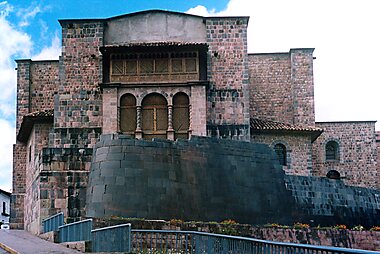
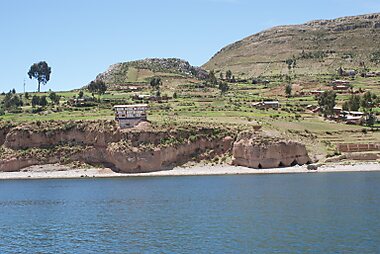
In the Andean south, Cusco is the historic Inca capital, and the gateway to Sacred Valley and Ollantaytambo for Machu Picchu. Arequipa has striking colonial architecture built from white volcanic stone, and Puno sits on Lake Titicaca, the highest navigable lake in the world.
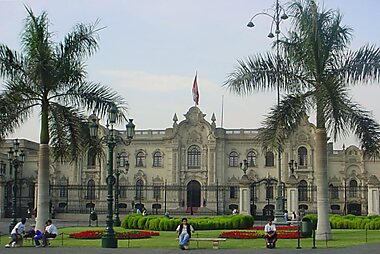
On the desert coast, Lima is the capital and Peru's culinary center. Ica is known for sandboarding and pisco, Nasca for flights over the Nazca Lines, and the Paracas Peninsula for boat trips to see sea lions and seabirds.
Further north and inland, Trujillo sits near the pre-Inca ruins of Chan Chan, Chachapoyas is the base for the cloud-forest fortress of Kuelap, Huaraz anchors trekking in the Cordillera Blanca, and Iquitos, reachable only by air or river, opens onto the Amazon rainforest.
Peru – Plan Your Trip
Pick the places you want to see and Tripomatic turns them into a day-by-day route, with smart routing, time estimates, and everything you need for a perfect trip.




