



Qatar
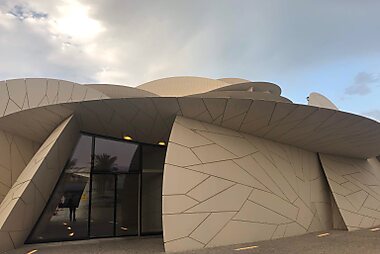
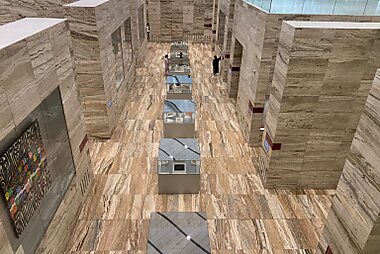
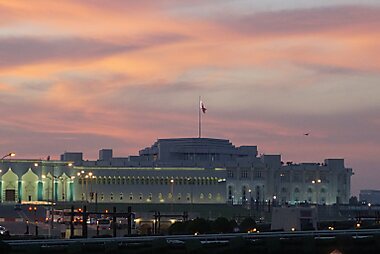
Qatar is a small peninsula on the Gulf coast, built almost entirely around one city, Doha. Glass towers rise a short walk from waterfront souqs and restored forts, so a visitor can move between the two worlds in an afternoon. The country hosted the 2022 FIFA World Cup, and the stadiums and metro line built for the tournament now serve everyday travelers. Doha's museums, including Qatar National Museum and Museum of Islamic Art, add to a skyline built for more than just football.
Most visitors base themselves in Doha, walking the Doha Corniche and browsing Souq Waqif. Day trips reach desert dunes in the south or the ruined trading town of Al Zubarah Archaeological Site in the north. Qatar suits travelers who want a short, easy stopover with striking architecture, desert scenery, and mild winter weather, rather than budget travel or nightlife.



Qatar – Planning a Trip?
Build your day-by-day itinerary in the Tripomatic app.


Money & payments
Card payments work almost everywhere in Doha, including hotels, malls, and taxis. Small, family-run shops and stalls in the traditional souqs often still prefer cash in riyals. ATMs are common in malls, hotels, and metro stations.
Featured Lists


Editor's Choice: Qatar
Qatar's landscape is defined by a fusion of traditional heritage and cutting-edge design. The National Museum of Qatar, designed by Jean Nouvel, replicates the desert rose mineral formation, while Mathaf showcases modern Arab art. The country’s sporting infrastructure includes the Ahmed bin Ali Stadium, a 2022 World Cup venue known for its desert-inspired facade, alongside established multi-purpose arenas. These landmarks, including the symbolic Pearl monument, represent Qatar's rapid transformation into a global cultural and athletic hub.
6 places
Cultural Highlights
Qatar’s cultural landscape features the Jean Nouvel-designed National Museum, shaped like a desert rose, and Mathaf, which houses over 9,000 modern Arab artworks. In the desert, Richard Serra’s East-West/West-East installation spans one kilometer of the Brouq Nature Reserve, while Olafur Eliasson’s mirrored structures sit near the Al Zubarah UNESCO site. The Katara Cultural Village serves as a central hub for performing arts, featuring a massive open-air amphitheater that blends classical Greek and Islamic architectural styles.
5 places


Tours & Activities
Qatar — Map

Tipping
Tipping is not added to the bill automatically almost anywhere in Qatar, but it is appreciated for good service. In restaurants without a service charge, around 10% is typical. Round up for taxi drivers, and tip hotel porters and tour guides directly.
around 10% if no service charge
round up
10-20 QAR per bag
50-100 QAR per day
around 10%
Electricity
Qatar uses Type G plugs at 240 V / 50 Hz, the same three-pin type as the UK. Most European and North American devices need an adapter.
Language
Arabic is the official language. English is widely spoken in Doha's hotels, malls, and tourist sites, and most signs in the city are bilingual. Arabic uses its own script, so menus and signs outside tourist areas may only appear in Arabic. A translation app helps once you leave the city center.
Staying connected
Prepaid SIM cards from Ooredoo or Vodafone are sold at the airport and in malls; both require a passport for registration. eSIMs are also available for short visits and skip that step.
Voice and video calls inside some messaging apps, including WhatsApp and Skype, have historically faced restrictions in Qatar. Regular phone calls, texting, and mobile data are unaffected — check current app-specific workarounds if you plan to rely on app-based calls home.
Safety & emergencies
Qatar has one of the lowest crime rates in the world, and both violent crime and petty theft against tourists are very rare. The main practical risk for visitors is the roads — local driving can be aggressive, and traffic accidents are far more likely than crime.
Health
Tap water is treated and technically safe, but most residents and visitors drink bottled water, which is cheap and sold everywhere. Pharmacies are common in malls and neighborhoods, many open late, and pharmacists can advise on minor ailments without a doctor's visit. No special vaccinations are required for most travelers beyond routine ones. Summer heat, from June to September, is extreme and is a bigger practical risk than any disease — pace outdoor activity and stay hydrated.
Visas & entry
Most nationalities, including citizens of the EU, UK, US, Canada, and Australia, can enter Qatar visa-free for tourism, typically for up to 30 days. Travelers from countries without visa-free access can usually apply for an e-visa online before arrival. GCC nationals can enter using just a national ID.
Visa and entry requirements change frequently. Verify current requirements with the official immigration authority or your country's embassy before travel.
Etiquette
- Dress modestly away from hotel pools and private beach clubs: shoulders and knees covered, for both men and women, especially in Souq Waqif, mosques, and government buildings.
- Alcohol is served only in licensed hotel restaurants and bars — it is not sold in ordinary shops, and public drunkenness is a serious offense.
- Keep public displays of affection, including hand-holding, to a minimum.
- Ask before photographing local people, especially women.
- During Ramadan, avoid eating, drinking, or smoking in public during daylight hours, even if you are not fasting yourself.
- Friday is the main day of prayer; some businesses open later or pause for an hour around midday prayers.
Holidays & opening hours
Most public holidays follow the Islamic lunar calendar, so exact dates shift each year and are usually confirmed only a few weeks in advance.
Shops and malls generally open late morning and stay open into the evening, with some closing briefly around Friday midday prayers. During Ramadan, opening hours shift later in the day, and many restaurants only serve after sunset.
Getting around
- By metro: The Doha Metro covers most major sights, hotels, and the airport across three lines. Tickets are contactless smart cards, tapped at the gates. Qatar Rail
- By bus: Karwa city buses reach areas the metro does not, using the same smart-card system.
- By taxi or ride-hailing: Karwa taxis and the Uber and Careem apps cover Doha and are the easiest way to reach places outside the metro network.
- By car: A rental car is useful for day trips to the desert or the northern coast, since public transport does not reach those areas.
Driving
- Key rules: Speed cameras are common and strictly enforced, with fines charged to the rental agreement afterward. Zero tolerance applies to drinking and driving. Local driving habits can be aggressive — watch for sudden lane changes and tailgating.
- Tolls: Qatar's roads, including the motorway network, have no tolls or vignette system.
- Parking: Malls and hotels offer free parking; street parking in central Doha is metered on weekdays.
- Fuel: Stations are full-service, with an attendant pumping the fuel, and accept cash or card.
- Electric vehicles: Public charging is limited outside Doha, so most visitors renting a car for a short trip choose petrol.
Food & drink
Qatari cuisine draws on Bedouin, Gulf Arab, and Persian influences, built around rice, lamb, and seafood. The closest thing to a national dish is machboos, spiced rice with meat or fish, found in similar forms across the Gulf. Breakfast is often flatbread with cheese and dates alongside karak tea; lunch, eaten around 1–2pm, is usually the main meal of the day.
Doha's restaurant scene is genuinely international, since most residents come from abroad. Indian, Filipino, Lebanese, and Iranian food are as easy to find as Qatari dishes. Street food is more limited than in other Gulf cities, but the souqs sell fresh dates, nuts, and grilled meats. Karak, a strong spiced milk tea, is the everyday drink; alcohol is available only in licensed hotel restaurants and bars.
Family-run restaurants cluster around Souq Waqif and the Corniche, while Doha's malls hold most international chains.
Where to explore
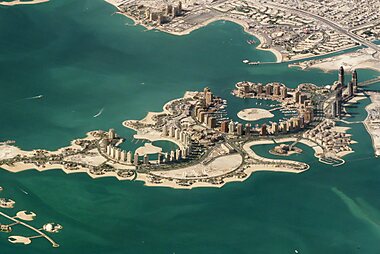
Doha is Qatar's capital and where most visitors spend their whole trip, with the country's main museums, souqs, and skyline packed into one compact area, along with the man-made The Pearl-Qatar island just offshore. West of the city, Al Rayyan holds Education City's university campuses and the Aspire sports zone.
South along the coast, Al Wakrah is an old pearling and fishing town with a restored waterfront, now also home to one of the 2022 World Cup stadiums. North of Doha, Al Khor combines a modern gas-industry town with mangrove creeks and a historic pearling quarter, and Al Daayen is home to Lusail, the planned city built around the World Cup final stadium.
In the far north, Al Shamal is Qatar's most rural region, home to the ruins of Al Zubarah Archaeological Site, a UNESCO World Heritage pearling-and-trading town destroyed in 1811 and abandoned by the early 20th century.
Qatar – Plan Your Trip
Pick the places you want to see and Tripomatic turns them into a day-by-day route, with smart routing, time estimates, and everything you need for a perfect trip.




