



Slovakia
Slovakia is a landlocked Central European country known for its dramatic mountain ranges, extensive forests, and historic towns. It offers a blend of natural beauty and rich cultural heritage, from the High Tatras in the north to the lowlands of the Danube River. The country's diverse regions each present unique landscapes and traditions.
This destination suits travelers seeking outdoor adventures like hiking and skiing, as well as those interested in medieval castles, charming old towns, and thermal spas. As a member of the Schengen Area, Slovakia provides easy travel for many international visitors. It is an ideal choice for exploring Central European history and nature.

Slovakia – Planning a Trip?
Build your day-by-day itinerary in the Tripomatic app.


Money & payments
The local currency is the Euro (). ATMs are easy to find in most urban and tourist areas. While card payments are common, keep some cash for small purchases. This can include local markets, public buses, or establishments in smaller towns.
The cost of travel in Slovakia is generally lower than in many Western European countries. A budget traveler can manage on approximately 50-70 EUR per day. A mid-range traveler might expect to spend 100-150 EUR daily.
Featured Lists


Hidden Gems
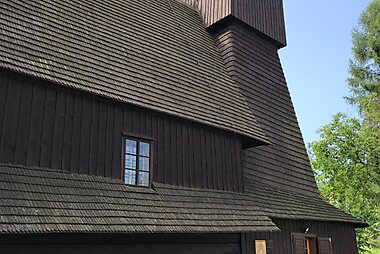
Slovakia’s off-the-beaten-path treasures range from the high-altitude glacial lakes of Štrbské pleso and Morskie Oko to the intricate Gothic details of Levoča’s Basilica of St. James. Explore the UNESCO-listed wooden church in Hronsek and the ruins of Zoborský kláštor, one of the country's oldest monasteries. Nature enthusiasts can hike the steep Kláštorská Gorge or visit Driny Cave, the only accessible cave in western Slovakia. Unique cultural stops include the Danubiana modern art museum on the Danube and the fairytale-inspired village of Habakuky.
17 places

Natural Wonders & Caves
Slovakia’s landscape features a dense concentration of UNESCO-listed karst systems, including the rare Ochtinská Aragonite Cave and the massive ice formations of Dobšinská. In the High Tatras, the collection highlights alpine glacial lakes like Štrbské pleso and Veľké Hincovo pleso, the country's deepest lake. The selection also features the rugged gorges of Slovak Paradise National Park, known for technical ladder trails and waterfalls, alongside the 25-meter Šútovský Waterfall in the Malá Fatra mountains.
20 places

Best Hiking Trails
Slovakia’s alpine landscape is defined by the rugged granite peaks of the High Tatras, the limestone ridges of Malá Fatra, and the expansive Low Tatras. This collection features Gerlachovský štít, the highest point in the Carpathians, alongside iconic summits like Kriváň and Rysy. It includes technical routes through the ladders of Suchá Belá gorge, glacial lakes like Štrbské pleso, and high-altitude shelters such as Téryho and Zbojnícka huts, which provide essential refuge for long-distance hikers crossing these central European ranges.
18 places


Tours & Activities
Slovakia — Map

 Open the interactive map
 Tipping
Tipping is customary in Slovakia, especially for good service. It is common practice to round up the bill or add a small percentage in restaurants and bars.
For taxi drivers, rounding up the fare is generally appreciated. Consider tipping hotel staff, such as porters or housekeepers, a few euros for their service. Tour guides, particularly for free walking tours, often rely on tips.
10%
round up
not expected, rounding up is fine
1-2 EUR/day
10-15%
Electricity
Slovakia uses Type C/E plugs at 230 V / 50 Hz — standard European outlets; most modern chargers work without an adapter.
Language
Slovak is the official language of Slovakia. It is a West Slavic language.
In major cities like Bratislava and Kosice, and in popular tourist areas, many younger people and those working in tourism speak English well. Outside of these areas, especially in smaller towns and rural regions, English may be less common. Learning a few basic Slovak phrases can be very helpful and appreciated.
Staying connected
Mobile network coverage across Slovakia is generally excellent, especially in urban areas and along major transport routes. For travelers planning an extended stay, purchasing a local prepaid SIM card or eSIM can be cost-effective.
You can buy SIM cards at official operator stores, electronics shops, and larger supermarkets. Major providers include Orange, Telekom, and O2. Be aware that you will need to present a valid ID or passport for registration when purchasing a prepaid SIM card, as this is a legal requirement in Slovakia and the EU. A basic prepaid SIM with a data bundle typically costs around 10-15 EUR.
Safety & emergencies
Slovakia is generally a safe country for travelers. However, like any popular destination, petty crime can occur, especially in crowded tourist areas of larger cities like Bratislava and Kosice. Be aware of pickpockets and bag snatchers, particularly on public transport, in markets, and around major attractions. It is always wise to keep valuables secure and out of sight.
While rare, be cautious of unsolicited offers or individuals approaching you in tourist zones. Avoid walking alone in poorly lit areas at night.
Health
Tap water in Slovakia is safe to drink throughout the country.
Pharmacies (lekáreň) are widely available in towns and cities. They generally operate during standard business hours. Some larger urban centers like Bratislava or Kosice have pharmacies with extended hours or 24/7 service. Look for signs indicating "non-stop" or "pohotovosť" for after-hours availability.
No specific vaccinations are required for entry to Slovakia. It's advisable to ensure your routine vaccinations are up to date before traveling. For personalized advice regarding vaccinations, especially if you plan extensive outdoor activities in forested areas, consult with a healthcare professional well in advance of your trip.
Visas & entry
Slovakia is a member of the Schengen Area. Citizens of EU, EEA, and Switzerland can enter Slovakia freely. Many other nationalities, including those from the United States, Canada, Australia, and the United Kingdom, can enter visa-free for short stays. These short stays are typically up to 90 days within any 180-day period. Travelers from countries not covered by visa-free agreements must obtain a Schengen visa before arrival.
Etiquette
Slovaks are generally polite. A firm handshake is the common greeting. Use formal address with titles and last names until invited to use first names.
When visiting churches, monasteries, or other religious sites, dress modestly. Cover your shoulders and knees. Remove hats indoors.
It is generally acceptable to take photos in public areas. Always ask for permission before photographing individuals. Be discreet and respectful in religious places.
Bargaining is not common in shops, restaurants, or hotels. Prices are usually fixed. You may find some room for polite negotiation at flea markets or small, independent stalls.
Punctuality is appreciated. Try to arrive on time for any appointments or social events. Avoid excessively loud conversations or boisterous behavior in public.
Holidays & opening hours
Public holidays in Slovakia often mean that banks, shops, and some businesses are closed. Public transport may also operate on a reduced schedule.
While larger supermarkets and shopping centres typically remain open on Sundays, some smaller shops and businesses, particularly outside of large cities, may operate with reduced hours or choose to close. Restaurants generally maintain longer opening hours. Some smaller establishments might close for a midday lunch break.
Getting around
Slovakia's national rail operator, ZSSK (Železničná spoločnosť Slovensko), connects major cities like Bratislava, Kosice, and Zilina. You can buy tickets online via the official website, at train stations, or from ticket machines.
By Bus
An extensive bus network complements the rail system, reaching smaller towns and villages. Inter-city buses are a reliable option for many routes. Tickets are available online, at bus stations, or directly from the driver.
By Car
Renting a car offers flexibility for exploring rural areas and national parks. A valid motorway e-vignette is required to use highways and expressways. Purchase it online at eznamka.sk before entering the motorway network. A 10-day vignette costs approximately 10.80 EUR.
Driving
Driving in Slovakia requires an electronic motorway vignette for travel on motorways and expressways. This e-známka can be purchased online via eznamka.sk, at most petrol stations, or at border crossings.
Key rules and equipment: Drivers must use dipped headlights or daytime running lights year-round. A zero-tolerance policy for alcohol applies to all drivers. Winter tyres are mandatory from November 15 to March 31 if winter conditions (snow, ice, or frost) are present.
- Mandatory equipment: A reflective vest, warning triangle, first-aid kit, and a spare wheel or tyre repair kit are legally required in your vehicle.
Parking: In most Slovak cities, parking in the center is paid, often managed by parking meters that accept coins or cards, or through mobile apps. Look for signs indicating parking zones and payment methods.
Fuel: Petrol is commonly labelled as "Benzín" or "Natural 95/98", while diesel is "Nafta". Fuel stations are a mix of attended and self-service, with card payments widely accepted at the pump.
Electric vehicles: The charging infrastructure for electric vehicles is growing, particularly in urban areas and along main routes. Major charging networks include ZSE Drive, GreenWay, and ejoin. You may need specific apps for these providers or use universal roaming apps to locate and pay for charging.
Food & drink
Slovak cuisine is hearty, often featuring pork, poultry, potatoes, cabbage, and dairy products. Lunch is typically the largest meal of the day. It often includes a soup followed by a main course. Dinners are usually lighter, but a warm meal is also common. Breakfasts are often simple, with bread, cold cuts, and cheese.
The national dish is Bryndzové halušky. These are small potato dumplings topped with sheep cheese and fried bacon. Other common dishes include Kapustnica, a rich sauerkraut soup, and various roasted meats. For a sweet treat, try parené buchty, steamed dumplings filled with jam. Trdelník, a sweet pastry often found at markets, is widely sold and popular with tourists; a specific variant, Skalický trdelník, holds EU PGI status.
Slovakia has a strong tradition of brewing beer, with many local brands. Wine production is also significant, particularly in the Small Carpathian region. Popular spirits include Slivovica (plum brandy) and Borovička (juniper brandy). A popular non-alcoholic drink is Kofola, a local herbal cola. Locals typically eat at restaurants or pubs. Many establishments offer daily lunch menus during weekdays.
Where to explore
Slovakia offers diverse destinations, from historic cities to spa towns and mountain areas.
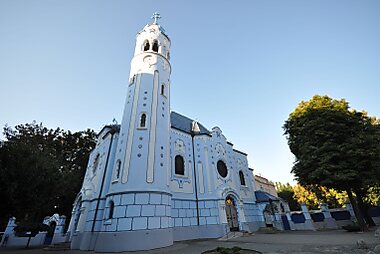
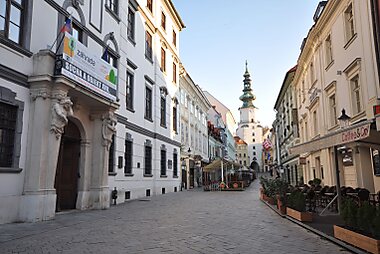
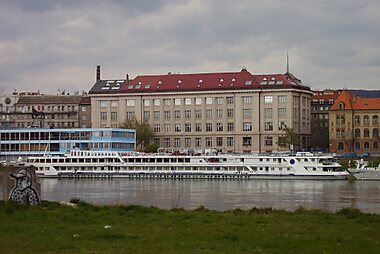
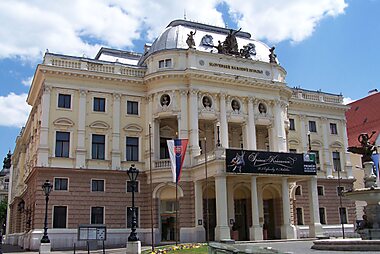
The capital, Bratislava, sits on the Danube River. It features a charming Old Town, historic castles, and modern dining.
In eastern Slovakia, Kosice is known for its Gothic cathedral and vibrant cultural scene. Nearby, Presov offers historical architecture.
Central Slovakia includes Banska Bystrica, a significant historical and cultural center. Further west, Trencin is dominated by its impressive castle.
For spa and wellness, consider Piestany. Mountain enthusiasts can use Poprad, Liptovský Mikuláš, or Ruzomberok as bases for exploring the High Tatras.
Other notable cities include Trnava with its many churches, the university city of Nitra, and Zilina in the northwest. You can also visit Martin or the historical town of Bardejov. In the south, Komárno sits on the Danube.
Slovakia – Plan Your Trip
Pick the places you want to see and Tripomatic turns them into a day-by-day route, with smart routing, time estimates, and everything you need for a perfect trip.




