



Bratislava
Bratislava is the capital of Slovakia, set on the Danube River. It sits near the borders with Austria and Hungary, making it a stop on Central European itineraries. The city features historical architecture and modern developments.
Travelers can explore its compact Old Town with narrow streets and historical buildings. The city also has a cultural scene, cafes, and restaurants.

Bratislava – Planning a Trip?
Build your day-by-day itinerary in the Tripomatic app.


When to visit
Bratislava experiences mild and pleasant weather in spring and autumn, ideal for exploring the city. Summers are warm to hot, often with high temperatures, while winters are cold, with average temperatures around freezing and potential for snow. Visiting in December allows you to experience the charming Bratislava Christmas Market, which brings a festive atmosphere to the city's squares.
Best time to visit: May, June, September
Top sights


Here are some notable sights in Bratislava:
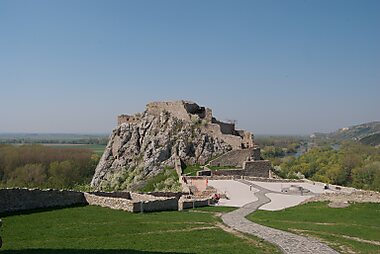
Devín Castle features dramatic ruins perched on a cliff where the Danube and Morava rivers meet. Explore the remnants of this medieval fortress and enjoy sweeping panoramic views.
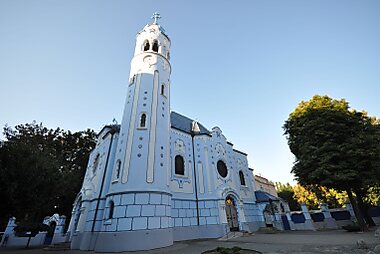
The distinctive Kostol svätej Alžbety, often called the Blue Church, is an iconic Art Nouveau landmark. Its striking blue facade and interior make it a memorable architectural highlight.
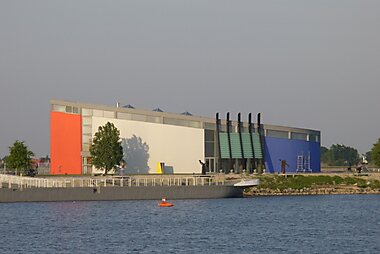
For modern art enthusiasts, the Danubiana Meulensteen Art Museum is set on a peninsula in the Danube River. This museum offers a unique collection of contemporary works in a scenic location outside the city center.
Visit the historic Jüdischer Friedhof to discover a significant part of Bratislava's Jewish heritage. The ancient tombstones here offer a quiet reflection on centuries of history.
The Pamätná sieň Milana Rastislava Štefánika honors Milan Rastislav Štefánik, a pivotal figure in Czechoslovak history. This monument provides insights into his diverse life as a general, astronomer, and politician.
Near Devín Castle, Sokoliareň a minizoo Devín presents engaging displays of birds of prey. This falconry and mini-zoo offers a family-friendly activity in a natural setting.
Featured Lists

Bratislava Essentials
Bratislava’s cultural landscape is defined by its striking Art Nouveau architecture, headlined by the pale blue, mosaic-tiled Church of St. Elizabeth. This selection highlights the city's artistic depth, featuring contemporary spaces like Galéria 19 and White & Weiss alongside BIBIANA, an international house of art for children. The list also includes specialized venues like the Slovak Academy of Sciences library and traditional regional dining at Meštiansky pivovar, providing a look at both the scholarly and culinary heritage of the Slovak capital.
10 placesWhat to experience
Take a river cruise on the Danube — boats travel from the city center out to Devín Castle or the Danubiana Meulensteen Art Museum. For a taste of the countryside, drive or cycle the Small Carpathian Wine Route, exploring vineyards and sampling local wines in nearby villages.
Back in town, hunt for the famous bronze statues scattered around the Old Town — look for Čumil (Man at Work) peeking out of a manhole and the dapper Schöne Náci. In winter, the traditional Christmas markets on the Old Town squares fill with seasonal treats and local crafts.
Tours & Activities
Bratislava — Map

 Open the interactive map
 Day trips
From Bratislava, you can easily reach nearby castles, wine towns, and even other European capitals on a day trip.
Devín Castle is only about 20–30 minutes away by bus, where dramatic medieval ruins perch on a cliff above the meeting point of the Danube and Morava rivers. Heading north by car or bus (30–60 minutes) brings you into the Small Carpathian Wine Region and charming towns like Pezinok and Modra, known for their white wines and traditional majolica pottery. The Danubiana Meulensteen Art Museum, roughly 30 minutes away by car or bus, showcases contemporary European art in a striking waterside setting on the Danube. For a bigger excursion, Vienna is about an hour away by direct train or bus, offering imperial palaces, world-class museums, and classic coffeehouse culture.
Getting there
- By air: Bratislava's M. R. Štefánik Airport (BTS) is 9 km from the city center. Public bus 61 takes about 20 minutes to the main train station. Vienna International Airport (VIE) is a common international gateway, about 50 km away. Regular bus services connect VIE to Bratislava city center in approximately one hour.
- By train: Bratislava Hlavná Stanica (main station) connects to major Central European cities. Direct trains run frequently to Vienna, Prague, and Budapest.
- By bus: Long-distance buses offer connections to many European cities. The main bus station, Bratislava AS Nivy, serves routes to Vienna, Budapest, and other regional destinations.
Getting around
Bratislava's public transport system includes trams, buses, and trolleybuses. Tickets can be purchased from vending machines at stops, kiosks, or using the IDS BK mobile app. Some vehicles allow contactless bank card payments directly on board. For schedules and routes, visit the official Bratislava Public Transport website. Ride-hailing apps such as Uber and Bolt operate in the city, in addition to traditional taxi services. The city center is compact and easily walkable. Cycling is also an option, with dedicated paths in some areas.
Food & drink
Slovak cuisine in Bratislava is hearty, with influences from its Central European neighbors. Look for bryndzové halušky, a national dish of potato dumplings topped with sheep cheese and smoked bacon. Other common specialties include various goulash stews and rich cabbage soup (kapustnica). Local wines from the Small Carpathian region and Slovak craft beers are widely available.
The Old Town is the primary area for dining, with numerous restaurants and cafes found around its squares and pedestrian streets. For traditional Slovak fare, seek out establishments that specialize in regional cuisine. Many modern eateries also offer international dishes.
Safety & health
Bratislava is generally a safe city for visitors. However, like any popular destination, petty crime can occur. Pickpocketing is the most common issue. Be aware of your surroundings in crowded tourist areas, on public transport, and in busy markets. Keep your valuables secure and out of sight. Tap water is safe to drink throughout the city.
History
Bratislava's strategic location on the Danube River has shaped its long history. Settlements here date back to the Stone Age, with Celtic and Roman influences. The dramatic ruins of Devín Castle stand at the confluence of the Danube and Morava rivers, marking a site occupied since the Bronze Age and significant during the Great Moravian Empire.
From the 16th to the 18th century, Bratislava served as the capital of the Kingdom of Hungary. Many Hungarian kings were crowned in the city's cathedral during this period. The city later became a key center within the Austro-Hungarian Empire. After the dissolution of Czechoslovakia in 1993, Bratislava became the capital of independent Slovakia, blending its rich past with a modern European identity.
Country facts
Quick practical facts for Slovakia at a glance:
- Currency
- Euro EUR € · Card payments · Commonly accepted
- Emergency numbers
- 112
- Electricity
- 230 V · 50 HzType C / Type E
- Languages
- Slovak
- Tap water
- Safe to drink
- Driving side
- Right
- Calling code
- +421


Bratislava – Plan Your Days
Turn the places from this guide into a real itinerary, with smart routing, time estimates, and everything you need for a perfect trip.

