



Tanzania
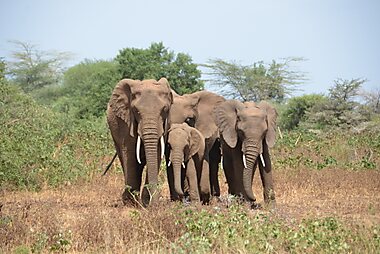
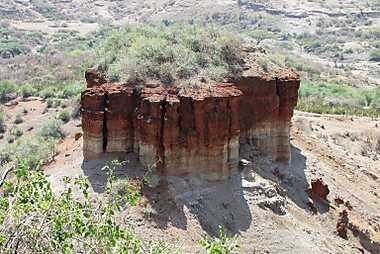
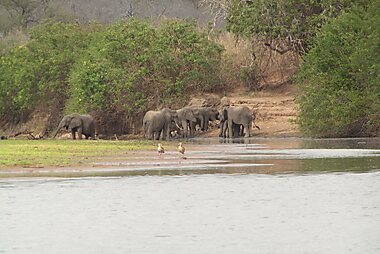
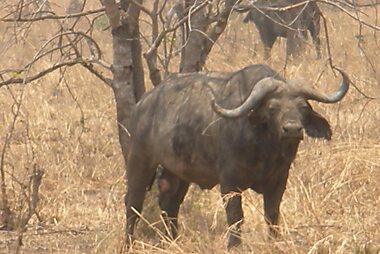
Tanzania is home to Africa's tallest mountain, its most famous savannah, and the spice-scented streets of Zanzibar. On the mainland, vast national parks protect some of the world's largest populations of lions, elephants, and wildebeest, while paleontologists have traced the story of early humans back millions of years at Oldupai Gorge in the Great Rift Valley. Off the coast, the Zanzibar archipelago adds coral-white beaches and centuries of Swahili, Arab, and Indian trading history.
The country suits different kinds of trips equally well. Safari-goers head north to the parks around Arusha, hikers and climbers tackle Kilimanjaro, and beach travelers fly straight to Zanzibar. Distances between regions are large, so most visitors focus on one or two areas rather than trying to cover the whole country in a single trip.



Tanzania – Planning a Trip?
Build your day-by-day itinerary in the Tripomatic app.


Money & payments
Tanzania's currency is the Tanzanian shilling, though many safari and park costs are quoted and settled in US dollars.
ATMs are reliable in Dar es Salaam, Arusha, and Zanzibar Town, but they disappear once you leave the cities — there are none inside the national parks or at most safari lodges. Withdraw shillings before heading out for markets, small shops, daladalas (minibuses), tips, and lodge incidentals, which all take cash only. Park entrance fees themselves are cash-free: gates accept card payment or a prearranged payment through your safari operator, not cash.
Featured Lists

Tanzania Essentials
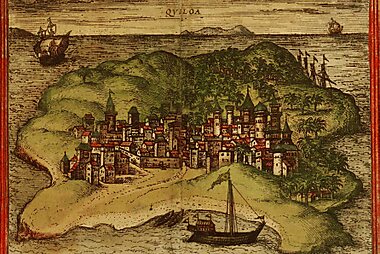
This selection spans the diverse landscapes of Tanzania, from the UNESCO-listed 14th-century ruins of Kilwa Kisiwani to the vast wilderness of Nyerere National Park. It includes the endemic biodiversity of the Udzungwa Mountains and the 170-meter Sanje Waterfall. Coastal highlights feature the marine ecosystems of Mafia Island, the historic Swahili architecture of Pangani, and the iconic Rock restaurant off Zanzibar. In Arusha, the central market offers a glimpse into local trade with its extensive collection of spices, textiles, and fresh regional produce.
10 placesTours & Activities
Tanzania — Map

 Open the interactive map
 Tipping
Tipping is part of how safari staff and hospitality workers are paid, so a few venues expect more than a simple round-up.
round up or ~10%
a few thousand TZS per bag or per stay
round up
USD 10-25 per person per day for a safari driver-guide
On safari, tip your driver-guide directly and in cash, ideally in US dollars or clean Tanzanian shillings — worn or old bills are sometimes refused. Many lodges keep a shared tip box for kitchen and housekeeping staff instead of tipping each person individually; ask at check-in if you are unsure which system a camp uses.
Electricity
Tanzania uses the British-style Type G plug at 230 V / 50 Hz, so travelers from mainland Europe or North America will need an adapter.
Language
Swahili and English are both official languages. Swahili is the language of daily life almost everywhere, while English is widely used in business, government, and tourism, so guides, hotel staff, and safari operators generally speak it well. In rural areas and local markets, a few Swahili words go a long way.
Staying connected
Prepaid SIM cards are cheap, but every one must be registered with your passport at the point of sale — the vendor will photograph your passport and take a fingerprint, so buy from an official Vodacom, Airtel, or Tigo shop rather than a street stall. Data bundles are inexpensive, and coverage is good in cities and around the main safari parks, though it thins out in more remote reserves.
Safety & emergencies
Tanzania is a generally safe country for tourists, and violent crime against visitors is rare. The most common issues are petty theft and overcharging — watch your belongings in crowded markets and bus stations, and agree on taxi or safari prices before you get in. Solo travelers should take normal city precautions after dark in Dar es Salaam and Arusha.
Health
Tap water is not safe to drink; stick to bottled or treated water, including for brushing your teeth in more remote areas. Pharmacies are easy to find in cities and larger towns, though it is worth bringing your own supply of any prescription medication.
Malaria is present across most of the country, including the safari parks and the coast, so talk to a doctor about antimalarial medication before you travel. A yellow fever vaccination certificate is required if you are arriving from a country with risk of yellow fever transmission. Sun protection matters on Zanzibar's beaches, and travelers climbing Kilimanjaro should plan for gradual altitude acclimatization.
Visas & entry
Most visitors need a visa to enter Tanzania, either applied for online in advance through the official e-visa portal or, for many nationalities, issued on arrival at the airport or border. Citizens of East African Community countries and a number of other African and SADC nations enter visa-free, but this exemption does not extend to most Commonwealth countries — travelers from the UK, Canada, Australia, and India all need a visa. A standard tourist visa costs around USD 50 (USD 100 for US citizens) and is valid for up to 90 days; a small number of nationalities are not eligible for a visa on arrival and must apply ahead of time.
Zanzibar does not require a separate visa — a Tanzanian visa, or visa-free entry, covers the whole country, including the islands.
Visa and entry requirements change frequently. Verify current requirements with the official immigration authority or your country's embassy before travel.
Etiquette
Zanzibar and the coastal towns are predominantly Muslim, so dress modestly away from your hotel or resort beach — covering shoulders and knees is appreciated, and swimwear belongs at the beach or pool only. Greetings matter: a brief exchange of pleasantries before getting to business is normal and appreciated, even in a shop or taxi.
Ask before photographing people, especially in Maasai communities, where a fee is often expected for photos at markets or bomas (villages) set up for visitors. Bargaining is expected in markets and for souvenirs and unmetered taxi fares, but not in shops with marked prices.
Holidays & opening hours
Public holidays can affect transport schedules and close government offices and some shops, especially in smaller towns — plan around them if your trip includes travel by bus or ferry.
Many shops and businesses close for a long lunch break, and Friday afternoon prayers can shorten opening hours in Zanzibar and other predominantly Muslim coastal areas.
Getting around
- By air: Domestic flights connect Dar es Salaam, Arusha, Zanzibar, and the safari airstrips, and are the fastest way to reach the northern parks or the Nyerere National Park area from the coast — worth it given the country's size.
- By train: The new standard-gauge railway links Dar es Salaam and Dodoma, cutting a long road journey to a few hours.
- By bus: Long-distance coaches connect major towns cheaply, including routes to and from Arusha for safari travelers. Book with an established company and travel by day, since roads can be rough after dark.
- By ferry: Fast catamarans run several times a day between Dar es Salaam and Zanzibar City, the easiest way to reach the islands without flying.
Within cities, daladalas (shared minibuses) and three-wheeled Bajaj taxis are the everyday way to get around; ride-hailing apps also operate in Dar es Salaam and Arusha.
Driving
- Drive on the left. Bring your home driving license and an International Driving Permit — Tanzania expects both from foreign visitors.
- Road conditions vary widely. Major routes between cities are paved and in reasonable shape, but rural and safari-park roads are unsurfaced, dusty, and slow going; a 4x4 is standard for a safari self-drive.
- Avoid driving after dark outside cities — roads are poorly lit, and oncoming traffic often uses full headlights.
- Speed bumps and checkpoints appear with little warning at the edge of towns and villages, so slow down early. Police checkpoints are routine and usually just check documents.
- Parking in city centers is informal — attendants often watch cars for a small tip rather than through a metered system.
Food & drink
Breakfast is usually simple — chai (spiced tea) with mandazi or bread — while lunch and dinner center on a starch like ugali, rice, or plantain served with a stew of beans, fish, or meat. On the coast and in Zanzibar, Swahili cooking adds coconut milk, cardamom, cloves, and other spices carried by centuries of Indian Ocean trade.
Street food is easy to find in the evening: grilled meat skewers, chips mayai, and roasted maize are common snacks, and Zanzibar's night market at Forodhani Gardens is a good place to try a wide spread at once.
Most people eat at small local eateries or from street stalls rather than formal restaurants, though cities have a growing range of sit-down options. Local beer, spiced tea, and fresh tropical juices are the everyday drinks; alcohol is less visible in Zanzibar and other predominantly Muslim coastal areas.
Where to explore
Tanzania's big draws cluster in the north: Serengeti National Park and Ngorongoro Conservation Area anchor the classic safari circuit, along with Tarangire National Park and Arusha, the usual base for organizing a trip into the parks. Kilimanjaro National Park rises nearby, drawing climbers to Africa's highest peak, with Moshi as its main gateway town.
In the south, Nyerere National Park offers a quieter, less-visited safari experience along the Rufiji River. Dar es Salaam, the country's largest city and main port, is most travelers' entry point to the coast, while Dodoma is the official capital, seat of government since the 1990s though still smaller than Dar es Salaam.
Offshore, Zanzibar City combines beach time with the winding lanes of Stone Town, home to the House of Wonders, the Sultan's Palace, and the Old Fort. Inland on Lake Victoria, Mwanza is a useful stop for onward travel to the Serengeti's western corridor or into Rwanda and Uganda.
Tanzania – Plan Your Trip
Pick the places you want to see and Tripomatic turns them into a day-by-day route, with smart routing, time estimates, and everything you need for a perfect trip.


Related destinations


Data: © OpenStreetMap contributors, Wikidata, Wikipedia, Tripomatic, Official websites, geoBoundaries (CC BY 4.0). Tours by GetYourGuide. We earn commission from bookings. Travel guide generated with AI.