



Turks and Caicos Islands
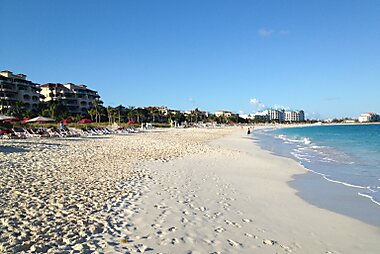
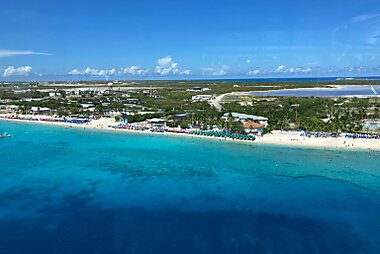
The Turks and Caicos Islands are a British Overseas Territory made up of about 40 low-lying islands and cays in the Atlantic, just north of Hispaniola. Around 47,000 people live here, most of them on Providenciales. Providenciales, known locally as Provo, is the main tourist hub. Its beach, Grace Bay Beach, is regularly ranked among the best beaches in the world for its long stretch of white sand and calm, shallow water. The barrier reef just offshore makes the island a strong base for snorkeling and diving.
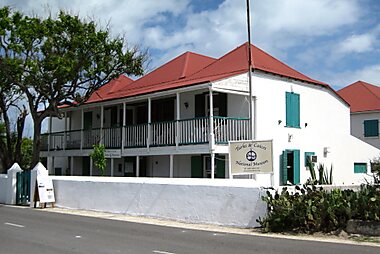
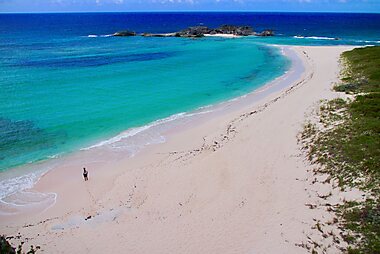
Cockburn Town on Grand Turk is the historic capital, with pastel colonial buildings and a salt-trading past. The quieter Family Islands — North Caicos, Middle Caicos, South Caicos, and Salt Cay — offer nature reserves, caves, and a slower pace with far fewer visitors. The islands suit beach lovers, divers, and honeymooners who want calm water and warm weather. They suit budget travelers less well, since prices run high, and offer little for visitors seeking big cities or nightlife.




Turks and Caicos Islands – Planning a Trip?
Build your day-by-day itinerary in the Tripomatic app.
Money & payments
The US dollar is legal tender across the islands, so travelers from the United States need no currency exchange. ATMs are common on Providenciales and Grand Turk but scarce on the Family Islands, so withdraw cash before island-hopping. Small guesthouses, food shacks, and taxi drivers on the outer islands often prefer cash.
Expect to spend noticeably more here than in most of the Caribbean, since almost everything — food, fuel, building materials — is imported. Budget travelers should plan carefully, and mid-range travelers should expect premium resort and restaurant prices, especially on Providenciales.


Featured Lists

Tours & Activities
Turks and Caicos Islands — Map

Tipping
Tipping follows US customs more closely than most of the Caribbean. Restaurants expect around 15%, unless a service charge is already on the bill — check before adding more. Many hotels and resorts already include a service charge in the room rate. Taxi drivers and tour or dive guides expect a tip too, since these jobs depend heavily on gratuities.
15% unless a service charge is already added
many resorts already add a 10-15% service charge
10-15%
10-20%
round up or ~10%
Electricity
The islands use 120 V / 60 Hz power with Type A and B plugs, the same standard as the United States, so US visitors need no adapter.
Language
English is the sole official language and the language of daily business, so travelers face no language barrier. Many residents also speak Turks and Caicos Islands Creole among themselves, and Haitian Creole and Spanish are common in some communities, but every sign, menu, and service defaults to English.
Staying connected
Cell coverage and 4G data are reliable on Providenciales and Grand Turk. Coverage gets patchy on the smaller Family Islands, so do not count on a strong signal there. Prepaid SIM cards from the two local carriers are sold at the airport and in shops on Providenciales.
Safety & emergencies
The Turks and Caicos Islands are generally safe for visitors. Most trouble is petty theft, so do not leave valuables unattended on the beach or in a parked car. Water safety is the bigger risk: rip currents can be strong on north-shore beaches, and boat or jet-ski accidents happen every year. Follow posted flags and listen to your guide on any water tour.
Health
Tap water on Providenciales and Grand Turk comes from desalination plants and is generally safe to drink, though visitors with a sensitive stomach may prefer bottled water. On the Family Islands, water often comes from rain-catchment tanks or wells, so ask your accommodation before drinking from the tap. Pharmacies are limited to Providenciales and Grand Turk and keep regular business hours. Bring an adequate supply of any prescription medication, since local pharmacies may not stock the same brand. No special vaccinations are required to enter, though routine vaccines should be up to date as usual.
Visas & entry
Most visitors, including citizens of the United States, Canada, the United Kingdom, the European Union, and Commonwealth countries, can enter the Turks and Caicos Islands without a visa for stays of up to 90 days. A valid passport, a return or onward ticket, and proof of accommodation are usually required at entry. Travelers from countries without visa-free access must apply for a visa in advance, since the islands are a British Overseas Territory.
Visa and entry requirements change frequently. Verify current requirements with the official immigration authority or your country's embassy before travel.
Etiquette
Life on the islands moves at an unhurried pace, and service can be slower than visitors from busier countries expect — patience is part of the experience. Casual resort wear is fine on Providenciales, but cover swimwear when you leave the beach for a shop or restaurant. Sunday is a quiet day: many businesses close, and church attendance remains a strong tradition, especially outside Provo. Always ask before photographing local residents, particularly in the smaller Family Islands communities.
Holidays & opening hours
Public holidays close banks, government offices, and many shops, though hotels, restaurants, and tour operators on Providenciales generally stay open for guests. Some restaurants and small shops close on Sundays, especially outside the main resort areas, so plan errands and grocery runs for weekdays or Saturday.
Getting around
- By air: Providenciales International Airport (PLS) is the main gateway. Domestic flights connect Provo to Grand Turk, North Caicos, Middle Caicos, and South Caicos — the fastest way to reach the Family Islands.
- By ferry: A passenger ferry links Providenciales to North Caicos several times a day; a causeway then connects it to Middle Caicos by road.
- By taxi and rental car: Taxis run fixed rates from the airport and between resorts — agree the fare before you get in. A rental car is useful for exploring Providenciales or Grand Turk at your own pace, since there is no public bus network.
Driving is on the left, even though most cars are US imports with the steering wheel on the left side too — take extra care at junctions and when overtaking.
Driving
- Key rules: Traffic drives on the left, but most rental cars are US-spec with the steering wheel on the left side of the car too, so take extra care overtaking and at intersections. Seatbelts are mandatory for all occupants.
- Parking: Free parking is common at beaches and small shops; resorts and the main Providenciales retail strips have their own lots.
- Fuel: Stations are staffed, not self-service, and take cash or card. Pumps are labeled Regular or Premium for petrol and Diesel for diesel.
- Electric vehicles: Charging infrastructure is minimal and rental EVs are uncommon; most visitors drive a standard gasoline car.
Food & drink
Meals here center on the sea, especially conch, the giant sea snail that appears on almost every menu. Conch salad, chopped raw with lime and pepper, is the closest thing to a national dish, alongside deep-fried conch fritters and breaded, pan-fried cracked conch. Grilled fish, spiny lobster in season, and peas and rice round out most dinner plates.
Breakfast tends to be simple: johnny cake, eggs, and fruit. Lunch and dinner are the bigger meals, often eaten later than in the US, especially outside the resort areas. Turks Head, the local lager, and rum-based bush punches are the typical island drinks. Family-run food shacks known as conch shacks serve some of the best and most affordable versions of these dishes, alongside the resort restaurants of Providenciales.


Turks and Caicos Islands – Plan Your Days
Turn the places from this guide into a real itinerary, with smart routing, time estimates, and everything you need for a perfect trip.

