
Amphitheaters in Europe
-
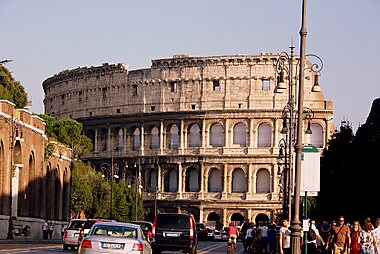
Colosseum
Ancient elliptical amphitheatre and UNESCO World Heritage site that served as the largest venue for gladiatorial contests and public spectacles. It stands as a significant example of ancient engineering and architecture.
-
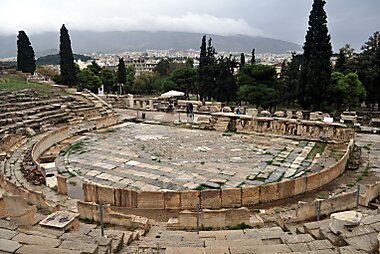
Theatre of Dionysus
Ancient Greek open-air theatre located on the south slope of the Acropolis, known for its classical architecture and archaeological significance.
-
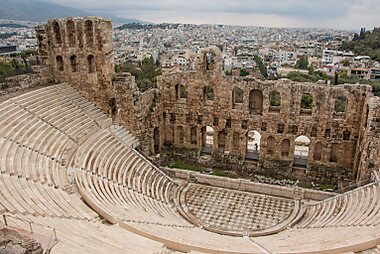
Odeon of Herodes Atticus
Ancient Roman stone theatre renowned for its classical architecture and cultural significance. It hosts concerts and festivals in an open-air setting.
-
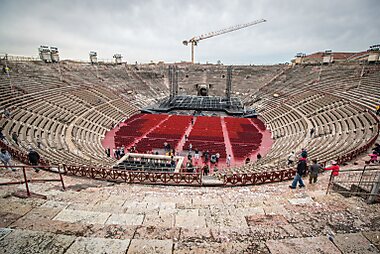
Verona Arena
Ancient Roman amphitheater renowned for its open-air opera performances and cultural events. It is a well-preserved historical monument showcasing ancient Roman architecture.
-
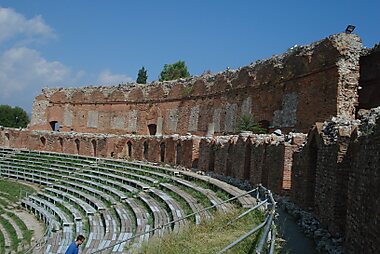
Greek theatre
The ancient theatre of Taormina is an ancient Greek theatre in Taormina, Sicily, built in the third century BC.
-
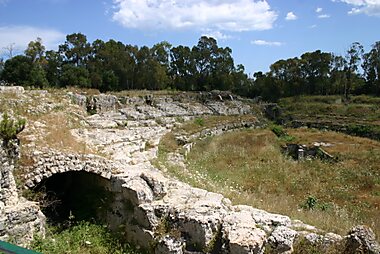
Roman Amphitheatre of Syracuse
The Greek theatre of Syracuse lies on the south slopes of the Temenite hill, overlooking the modern city of Syracuse in southeastern Sicily…
- G
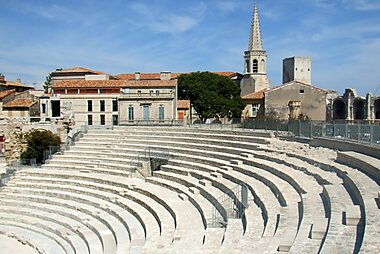
Arles Roman Theatre
The Roman Theatre of Arles is a 1st-century Roman theatre, built during the reign of Caesar Augustus.
- H
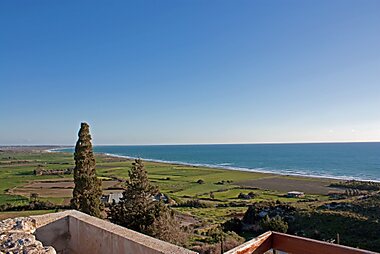
Kourion
Ancient city-kingdom and archaeological site dating back to 1050, featuring a well-preserved Greco-Roman theater and mosaic-adorned villas. The area includes a Roman Agora and remains of the former polis that existed until 400.
-
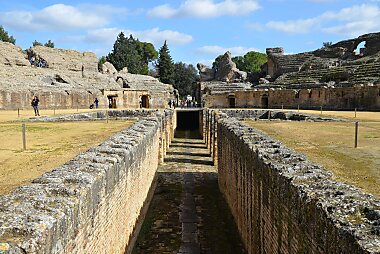
Italica
Italica was an ancient Roman city in Hispania; its site is close to the town of Santiponce in the province of Seville, Spain.
-
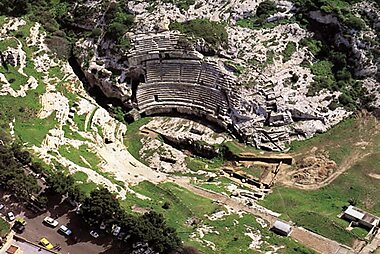
Roman Amphiteatre
The Roman Amphitheatre of Cagliari is an ancient Roman amphitheatre, located in the city of Cagliari, southern Sardinia, Italy.
-
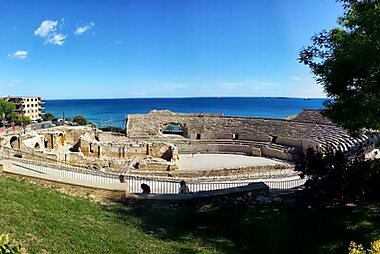
Archaeological Ensemble of Tarraco
Tarragona was once a famous Roman town and its remains can be found in the city today.
-
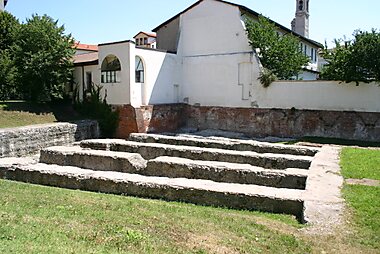
Milan Amphitheatre
This amphitheatre was destroyed by Barbarians many centuries ago but the ruins are still a great example of the unique Roman culture.
- M
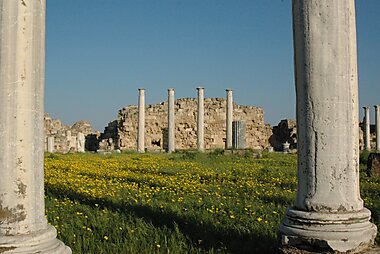
Salamis
Salamis was an ancient Greek city-state on the east coast of Cyprus, at the mouth of the river Pedieos, 6 km north of modern Famagusta.
-
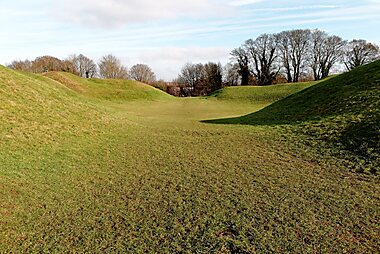
Roman Amphitheatre
Cirencester Amphitheatre was a Roman amphitheatre in Cirencester, Gloucestershire, England.


Plan Your Day-by-Day Itinerary
Create a detailed travel itinerary with smart routing, time estimates, and everything you need for a perfect trip.





Tours & Activities
Plan Your Day-by-Day Itinerary
Create a detailed travel itinerary with smart routing, time estimates, and everything you need for a perfect trip.