
Top Tourist Attractions in Kyoto
-
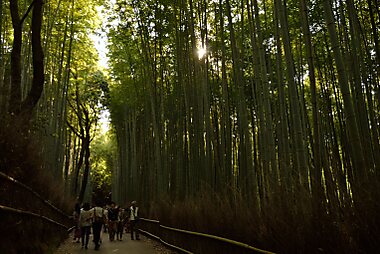
Arashiyama Bamboo Grove
Natural bamboo forest featuring scenic pathways and lush mōsō bamboo. The grove is situated near historic temples and shrines.
-
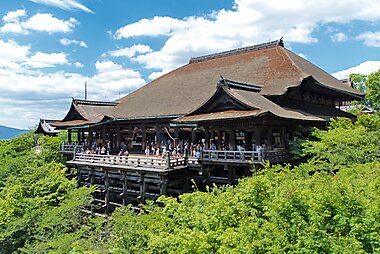
Kiyomizu-dera Temple
Historic Buddhist temple known for its large wooden stage and scenic views, designated as a UNESCO World Heritage Site.
-
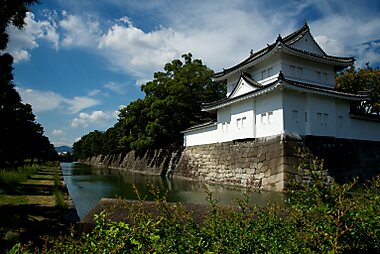
Former Imperial Villa Nijō Castle
Built in 1603, this castle belongs to one of the Historic Monuments of Ancient Kyoto which have been designated by UNESCO as a World…
-
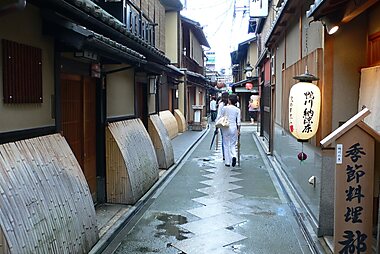
Pontochō
Ponto-chō is a Hanamachi district, which literally translates as "flower town." This name is a Japanese way of saying that there are geisha…
-
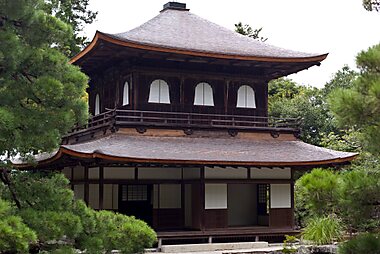
Ginkakuji Temple
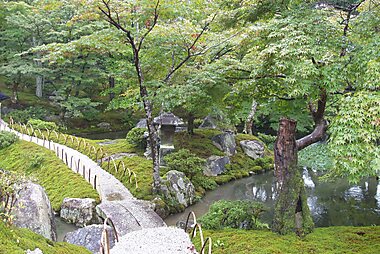
A Zen temple from the 15th century AD. It is surrounded by beautiful gardens, with famous decorative sand patterns, trees, and ponds, said…
-
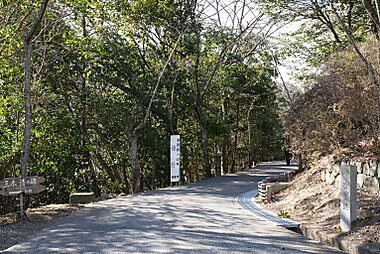
Philosopher's way
The Philosopher's Walk is a pedestrian path that follows a cherry-tree-lined canal in Kyoto, Japan between Ginkaku-ji and Nanzen-ji.
-
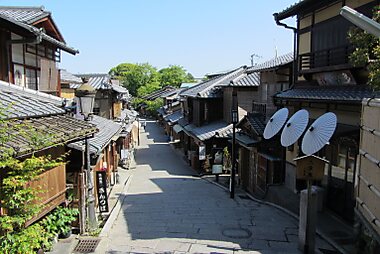
Ninenzaka & Sannenzaka Neigbourhood
Ninen-zaka and Sannen-zaka are one of Kyoto's most preserved neighbourhoods.
-
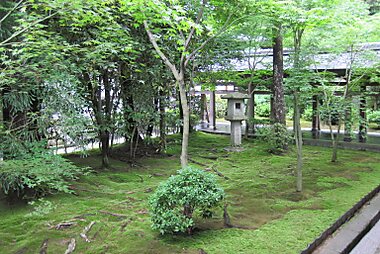
Ryōan-ji
Ryōan-ji is a Zen temple located in northwest Kyoto, Japan. It belongs to the Myōshin-ji school of the Rinzai branch of Zen Buddhism.
-
To-ji Temple
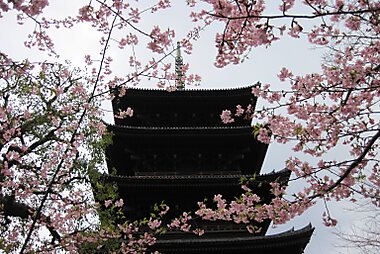
Tō-ji Temple, also known as Kyō-ō-gokoku-ji is a Shingon Buddhist temple in the Minami-ku ward of Kyoto, Japan.
-
Shimogamo-jinga Shrine
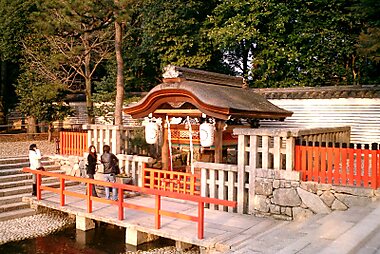
Shimogamo Shrine is an important Shinto sanctuary in the Shimogamo district of Kyoto city's Sakyō ward. Its formal name is Kamo-mioya-jinja.
-
Hōnen-in Temple
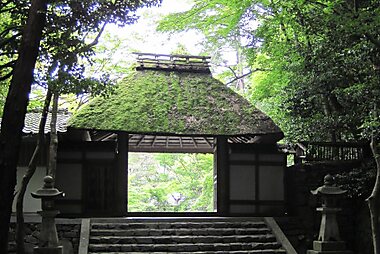
Hōnen-in is a Buddhist temple located in Sakyō-ku, Kyoto, western Japan.
-
Shugakuin Imperial Villa
This astonishing villa, which dates back to the 17th century, is a former estate of the Japanese emperor.
-
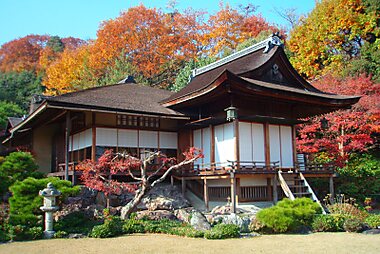
Okochi Mountain Villa
The imposing house belonged to the famous Japanese actor Denjirō Ōkōchi (known mainly for his role in costume dramas).


Plan Your Day-by-Day Itinerary
Create a detailed travel itinerary with smart routing, time estimates, and everything you need for a perfect trip.





Tours & Activities
Plan Your Day-by-Day Itinerary
Create a detailed travel itinerary with smart routing, time estimates, and everything you need for a perfect trip.

