


Funchal
Funchal is the capital of Madeira and home to about 106,000 people. The city climbs from a harbour up steep green hillsides. It has old stone streets, quiet gardens and a long seafront promenade. Most of the island's hotels, restaurants and museums are here. The mild climate means the city is busy in winter as well as summer.
It suits a relaxed trip of three to five nights. Spend days on the market, the old town and the gardens above the city. Use evenings for dinner in the old town and a drink by the marina. Funchal is also the easiest base for the whole island, because the mountains and the coast are within an hour or two. Cristiano Ronaldo was born here in 1985.

Funchal – ¿Estás planeando un viaje?
Crea tu itinerario día a día en la app de Tripomatic.


Cuándo viajar
Funchal is a year-round city. Winter is mild, so it is a popular escape from colder countries. Spring and early summer are the driest and sunniest. Summer is warm, and the sea is warm enough to swim. Most rain falls from October to January, and the mountains above the city are often in cloud when the harbour is sunny.
Two events are worth planning around. The Atlantic Festival fills June with concerts and fireworks over the bay. The New Year's Eve fireworks are famous across Europe, and hotels sell out many months ahead.
Mejor época para viajar: febrero, abril, mayo, junio, julio, agosto
Lugares destacados
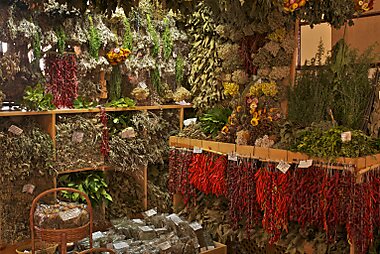
Mercado dos Lavradores is the covered farmers' market, open since 1940. Tile panels decorate the entrance. Go in the morning for tropical fruit, flowers and fresh fish. Sellers offer free samples and then charge by weight, so agree the amount first.
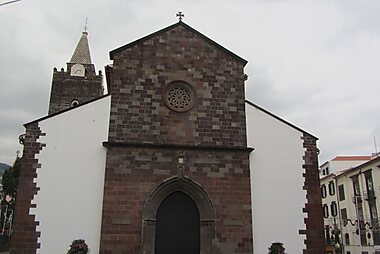
Sé do Funchal is the city's cathedral, built from the late 1400s in the Manueline style. It stands in the middle of the old centre, and its carved wooden ceiling is the main reason to step inside.
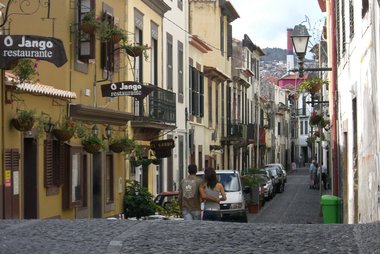
Rua de Santa Maria is the main street of the Zona Velha, the old town. Artists have painted the doors of its houses. Small restaurants and bars fill the street, so it is also a good place to eat in the evening.
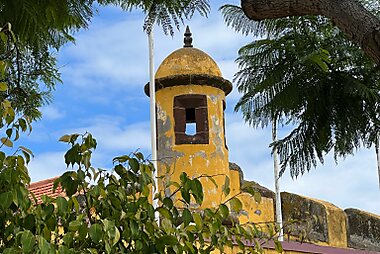
Forte de São Tiago is a yellow fortress built in 1614 at the edge of the old town. The walls look over the harbour and the coast.
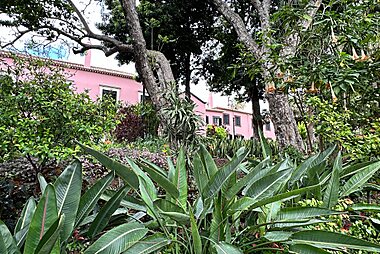
Jardins da Quinta da Vigia is a small public garden above the sea, beside the official residence of the regional president. It has good views over the bay and is quiet in the middle of the day.
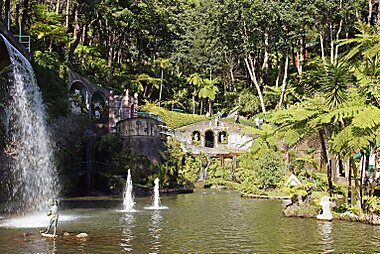
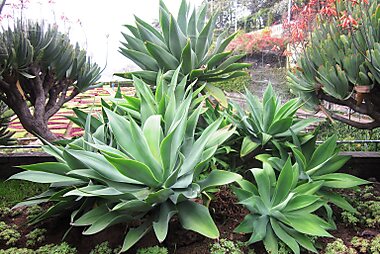
Monte Palace Tropical Garden is a large hillside garden at Monte, high above the city. It has tropical plants, tile panels, sculptures and water gardens. Allow two hours.
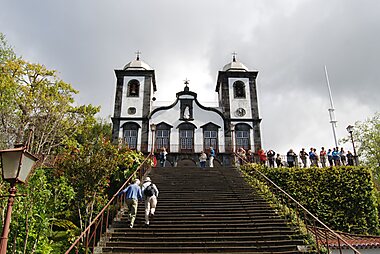
Nossa Senhora do Monte is the white hilltop church at Monte, reached by a long stone stairway. The last Austrian emperor, Charles I, is buried here.
Madeira Botanical Garden Engineer Rui Vieira is the botanical garden on a ridge east of the centre. It has Madeiran and exotic plants and a wide view over the harbour. The cable car from Monte stops near it.
The football museum Museu CR7 is near the marina and is dedicated to Cristiano Ronaldo.
Listas destacadas


Qué experimentar
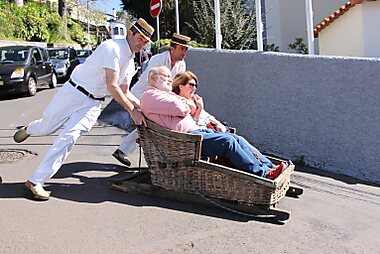
- Ride down from Monte on the Madeira Toboggan. Two drivers in white clothes and straw hats steer a wicker basket for about 2 km on the public road to Livramento. Many visitors take the cable car up and the toboggan down.
- Watch the fireworks competition in June. During the Atlantic Festival, four Saturday shows are fired over Funchal Bay, each about 20 minutes long and set to music. The harbour front and the hillside above it are the best places to watch.
- Spend New Year's Eve here. The 2006 display won a Guinness World Record for the largest fireworks show. Hotels and restaurants fill early.
- Join the Monte festival on 14 and 15 August. It honours Our Lady of Monte, the patron saint of the city, with a religious celebration, decorated streets and stalls selling espetada, bolo do caco and poncha.
- Visit in spring for the Flower Festival, which fills the streets of the centre with flower displays over several weeks.
- Swim at the Lido, a supervised bathing complex with saltwater pools on the seafront promenade. The city has only pebble beaches.
Tours y actividades
Funchal — Mapa

 Abrir el mapa interactivo
Excursiones de un día
Funchal is the usual base for the whole island. Times are one way by car from the city centre. Most of these places also have buses, but less often.
- Câmara de Lobos, 15 minutes west by car. A small fishing harbour with painted boats. Continue to Cabo Girão, a high sea cliff with a viewing platform, about 20 minutes from the city.
- Machico, 25 minutes east. The site of the first Portuguese landing, with a sheltered beach and an old fort. It lies near the airport.
- Curral das Freiras, 35 minutes north-west. A village in a deep mountain bowl. The road passes a famous viewpoint above the valley.
- Pico do Areeiro, about 45 minutes north. A high peak reached by road. It is the start of the best-known ridge walk on the island. Go early, before the clouds arrive.
- Santana, 1 hour north-east. Known for its small triangular thatched houses and the green valleys around it.
- Porto Moniz, 1 hour 15 minutes north-west. Natural lava swimming pools on the coast. This is a full day, usually combined with forest and cliff stops on the way.
- Porto Santo, about 2 hours 30 minutes by ferry. A flat island with a long sandy beach. It works as a long day trip and better as an overnight stay.
Qué explorar
Funchal is one of the island's municipalities, and each of the others has a different character. The whole island is covered in the guide to Madeira.
- South coast, close to Funchal: Câmara de Lobos and Curral das Freiras. Calheta is farther west and has one of the few sandy beaches.
- East: Machico.
- North coast: Santana, São Vicente and Porto Moniz.
- Another island: Porto Santo.
Cómo llegar
- By air: Cristiano Ronaldo Madeira International Airport (FNC) is at Santa Cruz, about 18 km east of the centre. Direct flights come from Lisbon, Porto and many European cities. The Aerobus runs to the main hotel areas in about 30 to 50 minutes. A taxi takes about 25 minutes. Strong crosswinds sometimes divert flights. Official site: Madeira Airport
- By sea: there is no regular passenger ferry from mainland Portugal, so almost all visitors fly. Cruise ships dock at the port in the city centre. A ferry connects Funchal with Porto Santo in about 2 hours 30 minutes.
Cómo desplazarse
- Public transport: yellow city buses run by Horários do Funchal cover the city and the slopes above it. Pay the driver in cash, or use a rechargeable GIRO card, which is cheaper. Island routes are part of the SIGA network. Horários do Funchal and SIGA
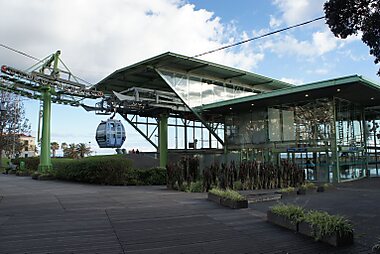
- Cable car: the Funchal Cable Car runs from the old town up to Monte, a ride of about 15 minutes. It operates daily from 8:45 to 17:45. A one-way ticket costs 16 € and a return ticket 22 €, and tickets are sold online. A second cable car links Monte with the botanical garden.
- Taxi: yellow taxis wait at ranks in the centre and by the harbour. Ask the price before you leave for a trip outside the city.
- On foot: the old town, the harbour and the seafront promenade are flat enough to walk. Everything inland is steep.
Conducción
- Is a car worth it? Not for the city. Streets are steep and narrow, parking is difficult, and buses, taxis and the cable car cover the sights. A car is useful for the mountains and the north coast, so rent one for those days only.
- Roads: on very narrow steep streets, expect to reverse or wait for oncoming cars. A small car is easier than a large one. Madeira has no toll roads and the island's tunnels are free.
- Parking: use the underground car parks in the centre. On the street, park only in marked bays, and check whether payment is by meter or app. Parking on yellow lines is fined or towed.
Gastronomía
Funchal is the best place to try Madeiran food and wine. The local dishes to look for are espetada (beef grilled on a laurel skewer), espada com banana (black scabbardfish with banana) and bolo do caco (flat bread with garlic butter). Poncha is the local drink, made from sugarcane spirit, honey and lemon.
Eat in areas, not at one restaurant. The old town around Rua de Santa Maria has the highest number of small restaurants and bars. Tourist menus are common there, so walk a few streets and choose a place full of locals. For wine, Blandy's runs tours and tastings in its old lodge in the centre. The Madeira Wine Festival is held in late summer.
Seguridad y salud
Funchal is very safe for visitors. Violent crime is rare. Pickpockets work in crowded places such as the market, the cable car queue and the old town at night. Some old town restaurants send staff to the street to call in customers, so check prices before you sit down.
Most problems come from the terrain and the sun. Cobbled streets and steps are slippery when wet, so wear shoes with grip. The sun is strong from spring to autumn, even when it is cloudy. Swim only in supervised pools and marked beaches, because Atlantic swell can be dangerous.
Historia
Settlers arrived in the 1420s and named the place after funcho, the wild fennel that grew by the bay. Funchal became a city in 1508. Sugar made it rich, and the money paid for Sé do Funchal, begun in 1493 and raised to cathedral in 1514.
French corsairs sacked the city for fifteen days in 1566. Forte de São Tiago, built in 1614, is one of the forts that defended it afterwards. Later, wine became the main trade, and British merchant families settled here. Blandy's is still part of that story.
In the 19th century the mild climate made Funchal a health resort for European visitors. Empress Elisabeth of Austria stayed in 1860 at the estate now called Jardins da Quinta da Vigia. The last Austrian emperor, Charles I, was exiled to Madeira in 1921. He died at Monte in April 1922 and is buried at Nossa Senhora do Monte.
In February 2010, floods and landslides killed dozens of people on the island. Funchal was badly hit.
Datos del país
Quick practical facts for Portugal at a glance:
- Moneda
- euro EUR € · Pago con tarjeta · Ampliamente aceptado
- Teléfonos de emergencia
- 112
- Electricidad
- 230 V · 50 HzTipo C / Tipo F
- Idiomas
- portugués
- Agua del grifo
- Potable
- Sentido de la circulación
- Derecha
- Prefijo telefónico
- +351


Funchal – Planifica tus días
Convierte los lugares de esta guía en un itinerario real, con rutas inteligentes, estimaciones de tiempo y todo lo que necesitas para un viaje perfecto.


Destinos relacionados




Data: © OpenStreetMap contributors, Wikidata, Wikipedia, Tripomatic, Official websites, geoBoundaries (CC BY 4.0). Tours by GetYourGuide. We earn commission from bookings. Travel guide generated with AI.
Planifica tu viaje con Tripomatic
- Planificación con IAConsigue un día listo con un solo toque, deja que la IA distribuya tu lista de deseos a lo largo de tu viaje o planifícalo todo chateando.
- Alertas de viajeAvisos oficiales, alertas meteorológicas, huelgas y desastres naturales para los lugares de cada día de tu viaje.
- Festivos y eventosConsulta festivos, festivales y cierres durante los días de tu viaje, y qué implican para tus planes.
- Estimación de costesDesgloses de costes de viaje con IA para saber qué presupuesto necesitas antes de salir.
- Tours y entradasReserva tours, entradas sin colas y actividades directamente desde tu plan.