


Tavira
Tavira is a calm riverside town in the eastern Algarve. The Gilão river runs through its centre. White houses with tiled roofs, an old seven-arched bridge and a hilltop castle give it a small, historic feel. It has far more churches than a town of 26,000 people needs.
The Ria Formosa lagoon lies just south of town. Short boat rides lead to Ilha de Tavira, a long sandy barrier island with quiet beaches. Tavira suits travelers who want a walkable old town, good seafood and easy beach days without big resorts. It is quieter than the western Algarve and a good base for the east of the region.

Tavira – ¿Estás planeando un viaje?
Crea tu itinerario día a día en la app de Tripomatic.


Cuándo viajar
Late spring and early autumn are the best times for sightseeing and the beach. Summer is hot, dry and busy, and it is the main season for island boats and beach life. Winter is mild, but it brings more rain and some seasonal closures.
The main event is the Feira da Dieta Mediterrânica, held over four days in early September. The old town fills with food stalls, crafts and music, and many restaurants offer special menus. Book rooms early if you visit then.
Mejor época para viajar: abril, mayo, junio, julio, agosto, septiembre, octubre, noviembre
Lugares destacados
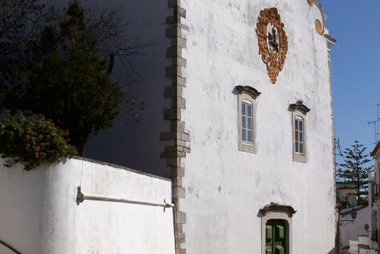
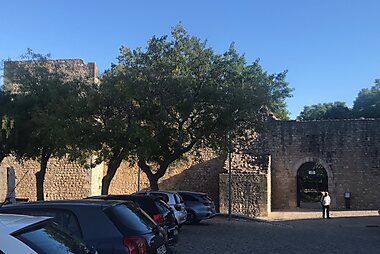
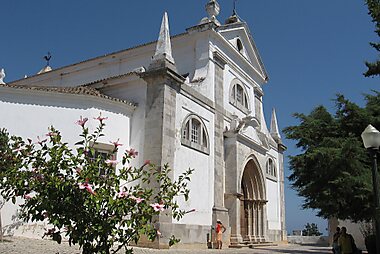
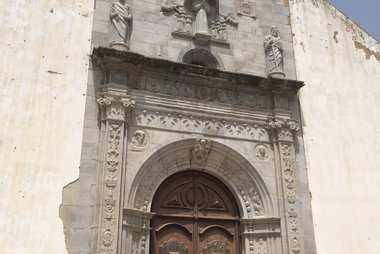
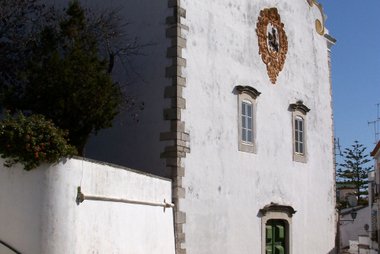
Most sights are in the compact old town on both banks of the Gilão. Allow a half day on foot, then add a beach day on the island.
- Ponte Antiga sobre o Rio Gilão is the seven-arched bridge across the river and the town's best-known view. It is called Roman, but it is probably Moorish in origin. It is a good place to start a walk.
- Castelo de Tavira stands on the highest ground in the old town. It has a small garden inside the walls. From the walls you can see the rooftops, the river and the sea.
- Igreja de Santa Maria do Castelo is a 13th-century church beside the castle, on the site of a former mosque. It holds the tombs of Paio Peres Correia and his knights. The clock tower was rebuilt from a minaret.
- Igreja da Misericórdia de Tavira is a Renaissance church from the 1540s, designed by André Pilarte. It has a gilded interior and tile panels.
- Igreja de Santiago is a late 13th-century church near the castle. It was rebuilt after the 1755 earthquake.
- Praça da República is the pedestrian square by the river. Cafés and terraces fill it, and it is the easiest place to sit and watch the town.
- Câmara Obscura is a camera obscura in a former water tower. It projects a live view of the town onto a dark screen.
- Praia da Ilha de Tavira is the main beach on Ilha de Tavira, a long strip of fine sand facing the open Atlantic. Ferries from Quatro Águas run all year, with extra boats from the town quay in summer.
Listas destacadas


Qué experimentar
- Island day: Take a boat to the island and walk along the beach away from the pier. The sand is long and the crowds thin out quickly. There is little shade, so bring water and sun protection.
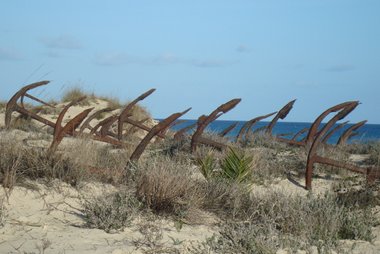
- Barril and the anchor cemetery: At Praia do Barril, rows of rusting anchors mark the old tuna fishing station. Praia do Barril is reached by a footbridge and a short walk from the mainland.
- Octopus in Santa Luzia: This fishing village next to Tavira calls itself the octopus capital. It is a short bus or bike ride west. Seafood restaurants line the waterfront.
- Lagoon by kayak or paddleboard: Calm water and birdlife make the Ria Formosa a good place for a morning paddle. Local operators run guided trips.
- Sunset from the old town: The castle walls and the river bridge give two easy places to watch the evening light.
Tours y actividades
Tavira — Mapa

Excursiones de un día
Tavira is a good base for small trips in the east. Trains run along the coast. A car helps for villages without a station.
- Olhão is about 25 minutes by train. It is a working fishing town with a waterfront market and ferries to more islands.
- Cacela Velha is about 12 km east, around 15 minutes by car. It is a tiny whitewashed village on a hill above the lagoon, with a fort, a church and a quiet beach below. Buses are slow, so a car or taxi works best.
- Faro is about 35 to 40 minutes by train. The old town and the Ria Formosa islands make a relaxed half day.
- Vila Real de Santo António is about 25 minutes by train, at the Spanish border. From its river terminal, a ferry of about 15 minutes crosses to Ayamonte in Spain. Spain is one hour ahead of Portugal.
- Castro Marim is about 30 minutes by car. It has a hilltop castle and salt pans with good birdwatching.
Cómo llegar
- By air: The nearest airport is Faro Airport (FAO), about 30 km west. A taxi or ride-hail takes about 30 to 40 minutes. By public transport, take bus 16 into Faro, then a train or bus on to Tavira. Allow 2 to 2.5 hours in total.
- By train: Regional trains from Faro take about 35 to 40 minutes. They also run east to Vila Real de Santo António. From Lisbon you change at Faro, and the journey takes about 4 hours. Book on Comboios de Portugal. The station is a 15-minute walk from the old town.
- By bus: The bus station is by the river, near the old bridge. Express coaches to Lisbon take about 4 to 5 hours. EVA buses link Tavira to Faro and other Algarve towns in about 1 hour.
Cómo desplazarse
- On foot: The old town is small, and most sights are within a 10-minute walk. The castle area is on a gentle hill.
- Town buses: EVA runs local buses to Cabanas and to Quatro Águas, the main ferry pier. Buy tickets from the driver. Services are less frequent at weekends. See EVA Transportes.
- Boats: Ferries to Ilha de Tavira leave from Quatro Águas and, in summer, from the town quay. Queues for the last boat back can be long in summer, so check the final departure.
- Walking to the island: A footbridge at Pedras d'El Rei leads to Barril beach. A summer ferry also serves the island from Santa Luzia. From there, walk along the beach or take the small train in summer.
- Taxis: Taxis wait near the market and Praça da República.
Conducción
- Is a car worth it?: Not for the town itself. It helps for Cacela Velha, Castro Marim and beaches away from the ferry piers.
- Parking: Parking in the old town is hard. Use the paid car parks on the edge of the centre and walk in. There is also a car park by the Quatro Águas ferry pier.
- Tolls: The A22 motorway along the Algarve has been toll-free since 1 January 2025. The N125 is a slower road without tolls.
Gastronomía
The lagoon and the sea supply the local menu. Look for grilled fish, octopus, clams and cataplana, a seafood stew cooked in a copper pan. Tuna was the town's main trade for centuries, and it still appears on many menus. Algarve sweets are made with almonds, figs and eggs.
Eat along the river and around Praça da República, where terraces and small restaurants cluster. The Mercado Municipal de Tavira sells fresh fish and produce, and mornings are best. For the most local plates of octopus, take the short trip to Santa Luzia.
Seguridad y salud
Tavira is a safe town for visitors. Petty theft is rare but possible in crowded places in summer, so keep bags closed.
The main risks are sun and water. The island beaches have little shade and few shops, so bring water. Atlantic swimming areas can have currents, so swim near the lifeguard flags. The lagoon side is calmer.
Historia
Tavira is one of the oldest places on the Algarve coast. A Phoenician settlement stood here in the 8th century BC. Under Muslim rule the town grew from the 11th century. The old bridge and the foundations of Igreja de Santa Maria do Castelo date from that time.
In 1242 Paio Peres Correia, master of the Order of Santiago, took Tavira for Portugal. A local tale says the attack followed the killing of seven of his knights during a truce. The castle and the churches of the old town show the town's shift from a Moorish to a Christian city.
Tuna fishing brought wealth for centuries but declined in the 20th century. The 1755 earthquake destroyed much of the Algarve, and many of Tavira's buildings are 18th-century rebuilds. About 37 churches remain, including Igreja da Misericórdia de Tavira.
Datos del país
Quick practical facts for Portugal at a glance:
- Moneda
- euro EUR € · Pago con tarjeta · Ampliamente aceptado
- Teléfonos de emergencia
- 112
- Electricidad
- 230 V · 50 HzTipo C / Tipo F
- Idiomas
- portugués
- Agua del grifo
- Potable
- Sentido de la circulación
- Derecha
- Prefijo telefónico
- +351


Tavira – Planifica tus días
Convierte los lugares de esta guía en un itinerario real, con rutas inteligentes, estimaciones de tiempo y todo lo que necesitas para un viaje perfecto.


Destinos relacionados
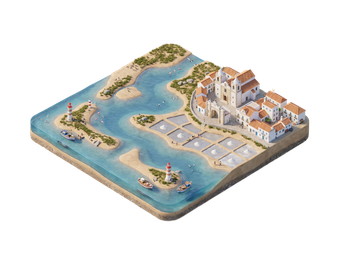
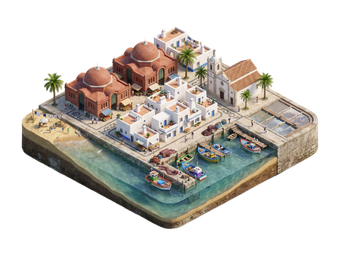


Data: © OpenStreetMap contributors, Wikidata, Wikipedia, Tripomatic, Official websites. Tours by GetYourGuide. We earn commission from bookings. Travel guide generated with AI.
Planifica tu viaje con Tripomatic
- Planificación con IAConsigue un día listo con un solo toque, deja que la IA distribuya tu lista de deseos a lo largo de tu viaje o planifícalo todo chateando.
- Alertas de viajeAvisos oficiales, alertas meteorológicas, huelgas y desastres naturales para los lugares de cada día de tu viaje.
- Festivos y eventosConsulta festivos, festivales y cierres durante los días de tu viaje, y qué implican para tus planes.
- Estimación de costesDesgloses de costes de viaje con IA para saber qué presupuesto necesitas antes de salir.
- Tours y entradasReserva tours, entradas sin colas y actividades directamente desde tu plan.