


Cascais
Cascais is a former fishing town on the Atlantic coast, about 30 km west of Lisbon. In the 19th century it became a royal summer resort, and the nearby Estoril coast grew into a resort area in the 20th century. Today it mixes an old town, small bay beaches, forts and museums with wild Atlantic coast just outside town.
It suits a relaxed beach-and-sights trip of two or three days. You can also stay here and visit Lisbon and Sintra by train or bus. The Atlantic is cool and often rough, so the area is as good for walking, cycling and surfing as for swimming.

Cascais – Tu prépares un voyage ?
Crée ton itinéraire jour par jour dans l'application Tripomatic.


Quand partir
Summer is warm, dry and breezy, and it is the busiest time at the beaches. Spring and early autumn are mild and quieter. Winter is mild but wet, with rough seas.
The biggest annual event is Festas do Mar, the town's sea festival with free concerts at the bay in late summer. Book a room early for that period.
Meilleure période pour visiter: mai, juin, juillet, août, septembre, octobre
Sites incontournables
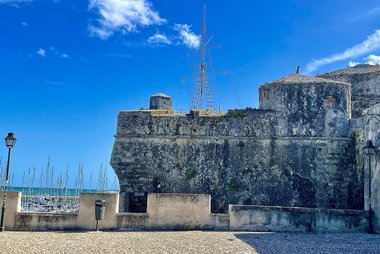
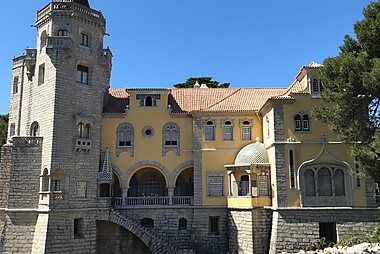
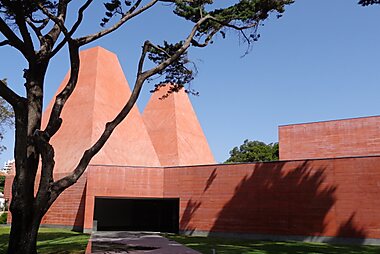
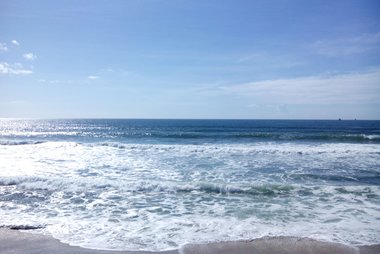
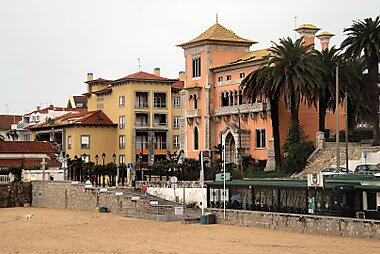
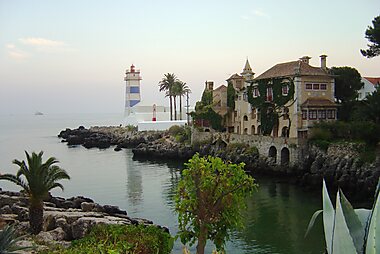
Most sights are close together in the old town. The wild coast is a short bus or bike ride away.
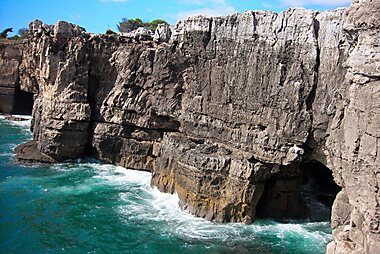
- Boca do Inferno is a deep sea cave and chasm in the cliffs, a short walk west of the centre. It is best on a day with big waves.
- Fortaleza de Nossa Senhora da Luz is the fortress at the heart of the Citadel. Its tower dates from the 15th century and bastions were added later.
- Casa das Histórias - Paula Rego is a museum of the painter Paula Rego. The red building was designed by Eduardo Souto de Moura and opened in 2009.
- Museu Condes Castro Guimarães is an eclectic seaside palace turned into a museum in 1931. It holds paintings, furniture and porcelain, and it has a tower with views.
- Praia da Conceição is the sheltered beach in the middle of town, at the start of the seafront promenade to Estoril.
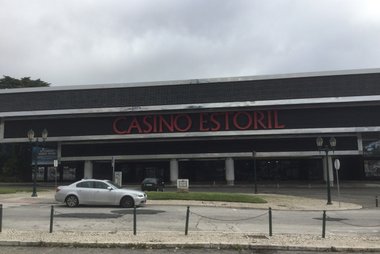
- Casino Estoril in Estoril opened in 1931. It is one of the largest casinos in Europe.
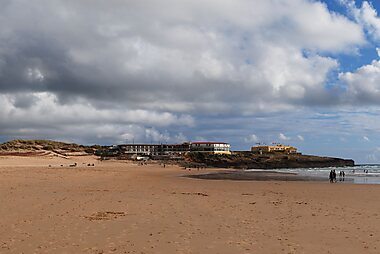
- Praia do Guincho is a wide, windy Atlantic beach west of town. It is a famous spot for windsurfing, kitesurfing and surfing.
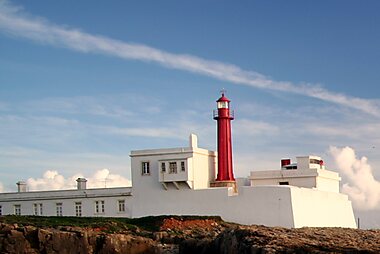
- Farol do Cabo Raso stands on the cliffs near Guincho and has worked since 1894. It is a quiet stop on the wild coast.
Listes recommandées


Castles and Palaces of Portugal
Cascais evolved from a humble fishing village into a premier royal retreat during the 19th century. This collection highlights the town's architectural diversity, from 15th-century coastal fortifications like the Fortaleza de Nossa Senhora da Luz to the eclectic 'Summer Architecture' seen in the Palácio Palmela and Palácio Seixas. These sites reflect Portugal’s maritime defense history and the era when the Portuguese monarchy and nobility established their seasonal residences along the Atlantic coast.
8 lieux
Historic Forts and Heritage Sites
This selection traces the evolution of Cascais from a prehistoric settlement to a strategic maritime defense point. It includes the Grutas do Poço Velho, a Neolithic necropolis, alongside significant military structures like the 15th-century Fortaleza de Nossa Senhora da Luz and sections of the Forte Novo walls. Architectural highlights include the neo-Gothic Palácio Palmela and the 19th-century Marégrafo, a pioneering tide gauge used to establish Portugal's national sea level datum.
5 lieux
Expériences à vivre
Things to do here that you cannot do in most cities:
- Walk the Paredão: This seafront promenade runs about 3 km from Conceição beach to Estoril. Go late in the day.
- Cycle to Guincho: Rent a bike and follow the coast path past Boca do Inferno. Allow half a day with stops. Heat is the main challenge in summer.
- Watch the wind sports: In summer, strong winds fill the sky with sails and kites over Praia do Guincho. Winter swells bring surfers.
- Look into rock pools: At low tide, the rocky shore at Praia das Avencas shows small sea life. It is a marine protected area, so look but do not collect anything.
- Take a boat trip: Short boat trips leave Cascais Marina along the coast.
Visites et activités
Cascais — Carte

 Ouvrir la carte interactive
Excursions à la journée
Cascais is a good base for day trips. Everything below is a day out and back.
- Cabo da Roca: about 35 minutes by regional bus. This is the westernmost point of mainland Europe, with high cliffs and a lighthouse. It is very windy, and sunset is the popular time.
- Sintra: about 40 to 60 minutes by bus, depending on the stop. Its palaces and forest are the area's main day trip. Start early.
- Lisbon: about 40 minutes by train from Cais do Sodré, every 15 to 20 minutes. Belém is on the same train line.
- Sesimbra: about 1 hour by car, across the Tagus. It is a fishing town with beaches below the Arrábida hills. Public transport is slow, so a car or a tour makes more sense.
Où s'aventurer
S'y rendre
- By air: Lisbon Humberto Delgado Airport is the gateway, about 30 km away. A taxi or ride-hailing car takes about 30 to 40 minutes outside rush hour and is the easiest choice with luggage. By public transport, take the metro to Cais do Sodré (red line to Alameda, then green line), then the Cascais train. Allow about 1 hour 15 minutes.
- By train: The Cascais line runs from Cais do Sodré station in Lisbon. The trip takes about 40 minutes, with trains every 15 to 20 minutes. This is the best way to arrive.
- By bus: Regional buses link Cascais with Sintra and Cabo da Roca. Check lines and times at Carris Metropolitana.
- By car: Cascais is about 30 km from central Lisbon on the coast motorway. Summer weekend traffic can be heavy, so the train is usually faster.
Se déplacer
- Train: The Cascais line links Cascais with Estoril and the other coastal stations. Buy a ticket at the station ticket office or machine before you board, or load credit on a reusable Navegante card (0.50 €). Validate it before boarding. See CP Comboios de Portugal for times.
- Local buses: MobiCascais municipal buses cover the town and the nearby coast, and regional buses go to Sintra and Cabo da Roca. Services to Guincho are limited, so check times first. See MobiCascais for lines and tickets.
- Taxi: Taxis are easy to find in town. They are a simple option for Guincho and for evenings.
- On foot and by bike: The old town is flat and compact. A seafront promenade of about 3 km links Conceição beach to Estoril. A cycle path follows the coast road from Cascais past Boca do Inferno to Guincho, about 8 km. Bikes can be rented in town.
Conduite
- Is a car worth it?: Not for Cascais and Estoril, which are easy on foot and by train. A car helps for Guincho, Cabo da Roca and the Arrábida coast.
- Parking: Street parking in the centre is paid. Municipal car parks include the one at the train station and Parque Marechal Carmona. Prices are shown at the entrance. The MobiCascais app shows free spaces.
- Restrictions: Beach roads and the coast road fill up on summer weekends. Arrive early or use the train and a bus.
Gastronomie
Seafood is the main reason to eat here. Look for grilled fresh fish, shellfish and seafood rice, which suit a coast that was a fishing town.
Restaurants cluster in the old town streets and around the fishing harbour and the bay. The town market, Mercado da Vila, is the place for fresh fish and produce.
Sécurité et santé
Cascais is safe for visitors. Pickpocketing happens on the Lisbon train and in crowded places in summer, so keep bags closed. Do not leave valuables in a parked car at beaches and viewpoints.
The Atlantic is the bigger risk. Guincho has strong waves, wind and currents, and it is not a good place for swimming. Swim at the sheltered town beaches when lifeguards are on duty in the summer season. At Boca do Inferno, stay behind the barriers, because big waves can be dangerous. The sun is strong from late spring to early autumn.
Histoire
Cascais became a separate town in 1364, when King Pedro I separated it from Sintra. After 1640, the town built the Citadel to defend the coast. The older fortress Fortaleza de Nossa Senhora da Luz lies inside it.
In 1870, King Luís I chose Cascais for his summer stay and made the governor's residence a royal palace. The court followed, and the town became known as the "Court Town". Noble families built seaside houses such as Museu Condes Castro Guimarães.
The Estoril coast had its golden age from the 1930s to the 1950s. During the Second World War, Portugal stayed neutral, and refugees, exiled royals and spies came to Estoril. Casino Estoril was part of that world.
Infos pays
Quick practical facts for Portugal at a glance:
- Devise
- euro EUR € · Paiements par carte · Largement acceptées
- Numéros d'urgence
- 112
- Électricité
- 230 V · 50 HzType C / Type F
- Langues
- portugais
- Eau du robinet
- Potable
- Sens de conduite
- À droite
- Indicatif téléphonique
- +351


Cascais – Planifie tes journées
Transforme les lieux de ce guide en un véritable itinéraire, avec des itinéraires intelligents, des estimations de temps et tout ce dont tu as besoin pour un voyage parfait.


Destinations associées


Data: © OpenStreetMap contributors, Wikidata, Wikipedia, Tripomatic, Official websites. Tours by GetYourGuide. We earn commission from bookings. Travel guide generated with AI.
Planifie ton voyage avec Tripomatic
- Planification avec l'IAObtiens une journée prête à l'emploi en un geste, laisse l'IA répartir ta liste de souhaits sur ton voyage ou planifie tout en discutant.
- Alertes de voyageAvis officiels, météo extrême, grèves et risques naturels pour les lieux de chaque jour de ton voyage.
- Jours fériés et événementsConsulte les jours fériés, festivals et fermetures durant ton voyage, ainsi que leur impact sur tes projets.
- Estimation des coûtsDétails des coûts de voyage générés par l'IA pour savoir quel budget prévoir avant de partir.
- Visites et billetsRéserve des visites, des billets coupe-file et des activités directement dans ton planning.