


Grenoble
Grenoble is a city in the French Alps. It calls itself the "Capital of the Alps". Three mountain ranges rise right behind the streets: Chartreuse to the north, Vercors to the south and west, and Belledonne to the east.
The old town is small and easy to walk. A cable car takes you from the centre up to a hilltop fortress in minutes. The city is also a university and research town, so it feels young and busy. It suits a stay of two to three nights, with extra time for hiking or skiing in the nearby mountains. In winter, many visitors use it as a base for ski resorts.

Grenoble – Tu prépares un voyage ?
Crée ton itinéraire jour par jour dans l'application Tripomatic.


Quand partir
Late spring and early autumn are the best times for town visits and hikes. Summer is warm and sunny, and the mountains are open for walking. Winter is cold in town, and snow covers the nearby ranges, so the ski season runs through the colder months.
The Fête des Tuiles is the main local event. It is a city festival around 7 June, and it marks the Day of the Tiles in 1788, an early revolt before the French Revolution. Expect street events, music and walks in the old town.
Meilleure période pour visiter: mai, juin, septembre, octobre
Sites incontournables
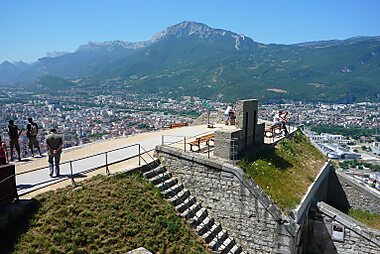

- Fort de la Bastille is a 19th-century fortress on the hill above the city. It has wide views of the three mountain ranges, and Mont Blanc is visible on clear days.
- Grenoble-Bastille Cable Car is the quickest way up to the fort. The round "bubble" cabins have run since 1976, and the line itself opened in 1934. The ride takes about 3 to 4 minutes.
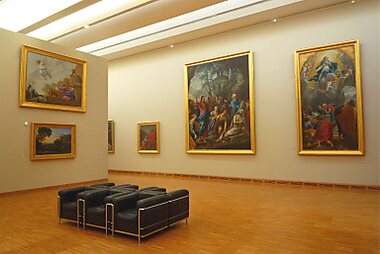
- Musée de Grenoble is the main art museum. It shows art from antiquity to the present day.
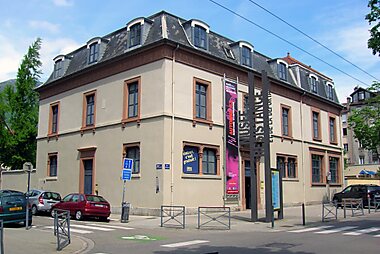
- Musée Dauphinois tells the story of the Dauphiné region and the Alps. It is in a former 17th-century convent on the slope of the Bastille hill.
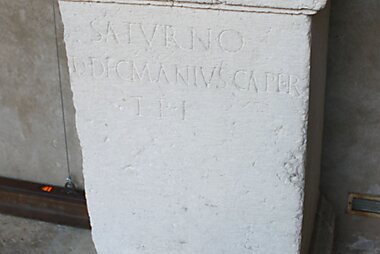
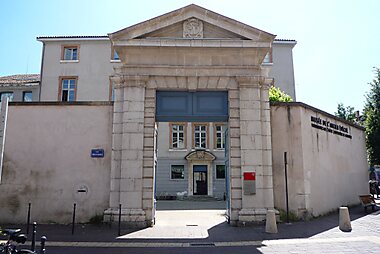
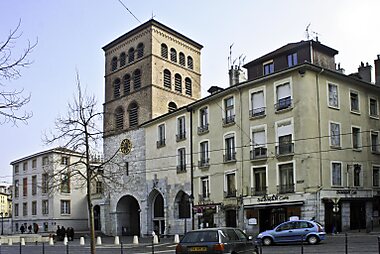
- Musée de l'Ancien Évêché stands in the old bishops' palace next to Cathédrale Notre-Dame. Its basement holds the remains of an early Christian baptistery and a Roman rampart.
- Musée de la Résistance et de la Déportation de l'Isère covers the Resistance and the deportation of people from Isère in the Second World War. It helps explain why Grenoble received a national honour in 1944.
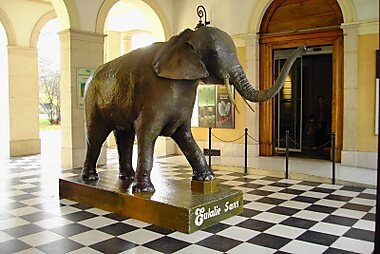
- Muséum d'histoire naturelle is the natural history museum, next to the Jardin des Plantes.
Listes recommandées

Grenoble Essentials
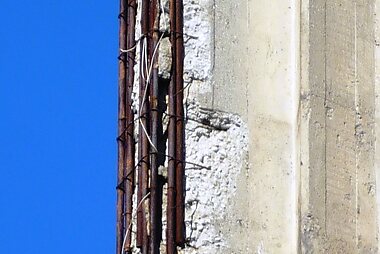
Grenoble, the Capital of the Alps, sits at the confluence of the Isère and Drac rivers. This selection features the 19th-century Bastille fortress, accessible via the distinctive spherical cable car cabins. Cultural highlights include the Musée de Grenoble’s extensive art collection and the Archaeological Museum's 6th-century crypt. Historical landmarks like the 15th-century Palace of the Parliament of Dauphiné and the 1924 Perret Tower—the first reinforced concrete tower in Europe—showcase the city's architectural evolution from its Gallo-Roman origins to modern innovation.
12 lieux


Expériences à vivre
- Ride the bubbles at sunset: Take the cable car up in the late afternoon, watch the light change on the peaks, and walk back down by the footpath.
- Hike from the city: About 865 km of marked paths start in and around Grenoble. Many routes begin at the Bastille.
- Join the Fête des Tuiles: Around 7 June, the old town hosts street events that recall the 1788 uprising.
- Ski for the day: In winter, you can reach ski slopes at Chamrousse and other resorts within a day trip.
Visites et activités
Grenoble — Carte

Excursions à la journée
Grenoble is a good base for mountain day trips. Trips are listed from closest to farthest.
- Vizille: about 30 minutes by bus or car. The château houses a museum of the French Revolution. In 1788 the Assembly of Vizille met here after the Day of the Tiles.
- Chamrousse: about 45 minutes by car or bus. This is the closest ski resort, with hiking in summer. It hosted alpine skiing events at the 1968 Winter Olympics.
- Chartreuse mountains: about 30 to 60 minutes by car. Forests, cliffs and villages lie north of the city. The Chartreuse liqueur takes its name from this range.
- Vercors Regional Natural Park: about 1 hour by car to the main villages. Take a car or a regional bus for plateaus, gorges and walking trails.
- Chambéry: about 1 hour by train. A small old town with a castle, on the way to the Savoie mountains.
- Lyon: about 1.5 hours by train. A large city with a famous food scene, and an easy day out.
- Annecy: about 2 hours by train or car. A lakeside old town with canals.
Où s'aventurer
Other destinations nearby:
- For a large city with a rich food scene, visit Lyon.
- For a lake and canals in the Alps, visit Annecy.
- For plateaus, cliffs and walking trails, see Vercors Regional Natural Park.
- For more Alpine scenery in the neighbouring department, see Savoie.
S'y rendre
- By air: Lyon Saint-Exupéry Airport is the main gateway. Coaches and trains connect it with Grenoble in about an hour to an hour and a half. Geneva Airport is the second option, with coaches to Grenoble.
- By train: TGV trains run to Paris Gare de Lyon in about 3 hours. Regional trains link Grenoble with Lyon, Chambéry and Valence. Some regional trains continue to Geneva or Annecy. For Marseille, you change trains on the way.
- By bus: Long-distance coaches serve Lyon, Geneva and other cities and use the bus station next to the main railway station.
Se déplacer
- On foot: The old town and most sights in the centre are close together. Many central streets are pedestrian.
- Public transit: The M réso network runs five tram lines and many bus routes. You can pay and validate with a bank card, buy tickets in the app, or use machines at stops. See M réso.
- By bike: The city centre is flat. The valley floor has many cycle lanes.
- Cable car: The Bastille cable car starts near the river and is the best way to reach the fort.
Conduite
- Is a car worth it? Not for the city itself, where trams and walking work well. A car helps for the Vercors, the Chartreuse and mountain villages with little public transport.
- Parking: Use car parks on the edge of the centre and take the tram in. Streets in the old town are mostly pedestrian.
- Restrictions: Grenoble has a low-emission zone. Older vehicles may need a valid Crit'Air sticker. Check the current rules before you drive in.
- Mountain roads: In winter, snow tyres or chains may be required on mountain roads. Check conditions before you leave.
Gastronomie
Local flavours come from the Dauphiné region. Look for Grenoble walnuts, which have a protected AOC label, and gratin dauphinois, a creamy potato bake. Local cheeses include Saint-Marcellin and Bleu du Vercors-Sassenage. The Chartreuse liqueur comes from the mountains just north of the city.
Eating clusters around Place Grenette, Place Notre-Dame and Place Saint-André in the old town. Many cafés have terraces there. For fresh produce and local products, visit the Halle Sainte-Claire market in the centre.
Sécurité et santé
Grenoble is generally safe for visitors. Pickpockets can be active around busy squares, on trams and at the station, so keep bags closed. Lock your bike well.
Mountain weather changes fast. Before a hike, check the forecast, carry water and warm clothes, and tell someone your route. In an emergency in the mountains, call 112.
Histoire
Grenoble began as a Gallic and later Roman town called Cularo. It was renamed Gratianopolis in 381, after the emperor Gratian. You can see Roman and early Christian remains in Musée de l'Ancien Évêché.
The city became the capital of the Dauphiné province, which joined France in 1349. On 7 June 1788, townspeople fought royal troops in the Day of the Tiles. This helped start the events of the French Revolution. The Assembly of Vizille followed soon after, a short way south of the city.
The fortress above the city was built in the early 1590s, and General Haxo rebuilt it between 1824 and 1847. It was never used in a battle. The city has owned it since 1970.
In 1925 the city held an exhibition on hydropower. Tour Perret was built for it, and it still stands on the skyline. In 1944 Grenoble was named a Compagnon de la Libération for its part in the Resistance. Charles de Gaulle presented the cross in the city in November 1944. The city hosted the Winter Olympics in 1968, which helped modernize the city. In 2022 it was European Green Capital.
Infos pays
Quick practical facts for France at a glance:
- Devise
- euro EUR € · Paiements par carte · Largement acceptées
- Numéros d'urgence
- 112
- Électricité
- 230 V · 50 HzType C / Type E
- Langues
- français
- Eau du robinet
- Potable
- Sens de conduite
- À droite
- Indicatif téléphonique
- +33


Grenoble – Planifie tes journées
Transforme les lieux de ce guide en un véritable itinéraire, avec des itinéraires intelligents, des estimations de temps et tout ce dont tu as besoin pour un voyage parfait.


Destinations associées


Data: © OpenStreetMap contributors, Wikidata, Wikipedia, Tripomatic, Official websites. Tours by GetYourGuide. We earn commission from bookings. Travel guide generated with AI.
Planifie ton voyage avec Tripomatic
- Planification avec l'IAObtiens une journée prête à l'emploi en un geste, laisse l'IA répartir ta liste de souhaits sur ton voyage ou planifie tout en discutant.
- Alertes de voyageAvis officiels, météo extrême, grèves et risques naturels pour les lieux de chaque jour de ton voyage.
- Jours fériés et événementsConsulte les jours fériés, festivals et fermetures durant ton voyage, ainsi que leur impact sur tes projets.
- Estimation des coûtsDétails des coûts de voyage générés par l'IA pour savoir quel budget prévoir avant de partir.
- Visites et billetsRéserve des visites, des billets coupe-file et des activités directement dans ton planning.