


Islande
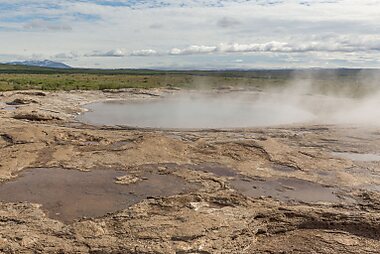
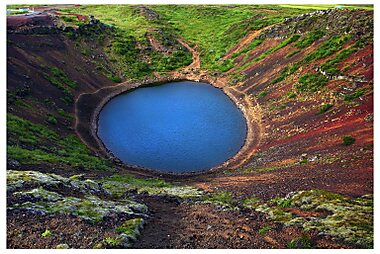
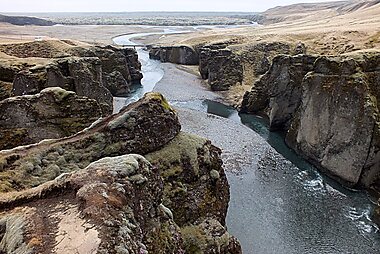
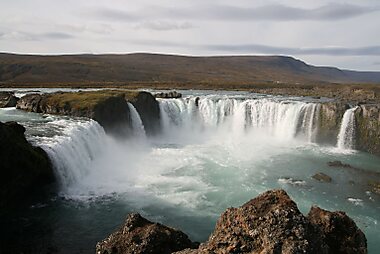
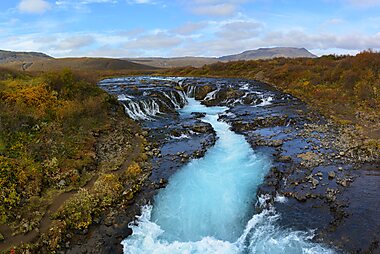
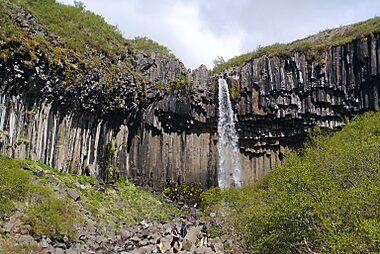
Iceland is a volcanic island in the North Atlantic known for glaciers, waterfalls, geothermal hot springs, and dramatic, empty landscapes. Most visitors base themselves in the capital, Reykjavík, and drive the Ring Road, the highway that circles the entire island and links most of the country's main sights.
Iceland suits travelers who want dramatic nature, road trips, and outdoor activities over city sightseeing — there are very few large towns outside the capital. Weather changes fast at any time of year, so pack layers and waterproofs regardless of season, and build spare time into any itinerary in case of road closures.


Islande – Tu prépares un voyage ?
Crée ton itinéraire jour par jour dans l'application Tripomatic.


Argent et paiements
Iceland uses the Icelandic króna (ISK), not the euro.
Iceland is one of the most cashless countries in the world — card and phone payment work almost everywhere, including small cafés, parking meters, and public toilets, so carrying cash is rarely necessary. Iceland is also one of the most expensive countries in Europe for food, lodging, and car rental.
Listes recommandées


Visites et activités
Islande — Carte

 Ouvrir la carte interactive
Pourboires
Tipping is not expected in Iceland. Service staff are paid a standard wage, and a service charge is generally already built into prices. Rounding up a restaurant bill or leaving a little extra for outstanding service is fine, but it is a bonus, not an obligation, and no one will be offended either way.
arrondir le montant de la course
Électricité
Iceland uses Type C and Type F plugs (the same two-round-pin style as most of continental Europe) at 230 V / 50 Hz.
Langue
Icelandic is the official language, but English is spoken fluently by nearly everyone, including in small towns, so a lack of Icelandic is rarely a barrier.
Rester connecté
Prepaid SIM and eSIM plans from Síminn, Vodafone, or Nova are easy to buy at Keflavík Airport or in Reykjavík. Coverage is strong along the Ring Road and in towns, but can drop out in the highlands and other remote areas — download offline maps before heading into the interior.
Sécurité et urgences
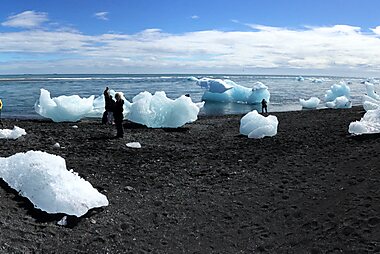
Iceland has very little crime, and theft or violence against tourists is rare. The real risks are natural: sudden weather changes, slippery ice on trails and roads, and rogue "sneaker" waves at black sand beaches like Reynisfjara that can pull people into the sea without warning. Never walk on a glacier without a certified guide, and check road and weather conditions before any long drive.
Santé
Tap water is safe to drink everywhere and among the cleanest in the world; in some areas hot tap water smells faintly of sulfur, which is normal and not a safety issue. Pharmacies are available in every town, though hours can be limited outside Reykjavík. No special vaccinations are required for entry.
Visas et formalités d'entrée
Iceland is part of the Schengen Area, though it is not a member of the European Union. Citizens of the EU/EEA, the United States, Canada, Australia, and many other countries can enter for tourism without a visa for stays of up to 90 days within a 180-day period. Travelers from countries without a visa-waiver agreement need a Schengen visa, applied for through an Icelandic embassy or consulate before travel.
Visa and entry requirements change frequently. Verify current requirements with the official immigration authority or your country's embassy before travel.
Savoir-vivre
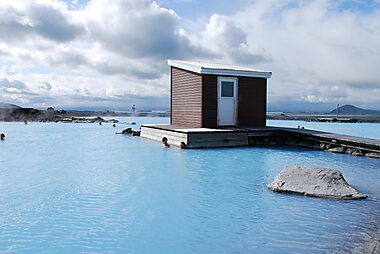
Icelanders are informal and direct; small talk with strangers is less common than in some other cultures, but people are happy to help if asked. At public geothermal pools, a shower without swimwear is mandatory before entering the water — attendants do check, and skipping it is considered a real breach of hygiene etiquette, not just a suggestion. Shoes are usually removed when entering someone's home.
Jours fériés et horaires
Public holidays can affect bus schedules and rural shop hours more than in Reykjavík. Many businesses close early or entirely on Christmas Eve and New Year's Eve afternoon.
Se déplacer
- By car: Self-driving the Ring Road (Route 1) is how most visitors see the country; a standard 2WD car covers it in summer, but winter conditions can require more caution and better tires.
- By bus: Scheduled coaches connect Reykjavík with major towns, but service thins out in winter and doesn't reach many natural sights directly.
- By air: Domestic flights from Reykjavík to Akureyri, Egilsstaðir, and Ísafjörður save hours of driving and are worth it for a short trip covering more than one region.
- In Reykjavík: The capital is compact and walkable, with a small city bus network (Strætó) for longer hops.
Conduite
- F-roads: Mountain roads marked with an "F" lead into the highlands and are only open in summer. They require a 4x4 by law; a 2WD rental is not insured or permitted on them.
- River crossings: Some F-roads cross unbridged glacial rivers with water levels that change hourly; never attempt a crossing you are unsure about.
- Speed limits: 50 km/h in towns, 90 km/h on paved rural roads, 80 km/h on gravel roads.
- Weather and road conditions: Check road.is and the forecast before any long drive; strong crosswinds and sudden storms are common and can make driving dangerous with little warning.
- Livestock: Sheep roam freely near many roads, especially in summer; slow down in open farmland.
- Fuel: Stations are self-service, often unstaffed, and require a card with a PIN; some accept only Icelandic-issued cards after hours, so fill up before remote stretches.
Gastronomie
Fish and lamb anchor most traditional Icelandic cooking, reflecting the country's farming and fishing history. Skyr, a thick, yogurt-like dairy product, is eaten daily, and rúgbrauð, a dense rye bread traditionally baked underground using geothermal heat, is a classic side. Lamb soup (kjötsúpa) is a common comfort dish, especially in colder months.
Hot dogs (pylsur), made partly from lamb, are a beloved everyday snack sold at stands across the country. Hákarl, fermented shark with a strong ammonia smell, is a traditional dish now eaten mostly by tourists as a novelty rather than an everyday food — approach it with a small taste rather than a full portion. Coffee culture is strong, and a coffee break is a normal part of the day.
Où s'aventurer
Reykjavík is the capital and by far the largest city, home to most of the country's museums, restaurants, and nightlife, as well as the main gateway airport at nearby Keflavík.
Akureyri, in the north, is the country's second-largest town and a good base for exploring Lake Mývatn and the northern fjords. Húsavík, further along the north coast, is known as a whale-watching hub. Höfn, in the southeast, is a common stop for visitors heading to the glacier lagoons and Vatnajökull National Park.
Islande – Planifie ton voyage
Choisis les lieux que tu veux voir et Tripomatic les transforme en un itinéraire jour par jour, avec des itinéraires intelligents, des estimations de temps et tout ce dont tu as besoin pour un voyage parfait.


Destinations associées


Data: © OpenStreetMap contributors, Wikidata, Wikipedia, Tripomatic, Official websites, geoBoundaries (CC BY 4.0). Tours by GetYourGuide. We earn commission from bookings. Travel guide generated with AI.
Planifie ton voyage avec Tripomatic
- Planification avec l'IAObtiens une journée prête à l'emploi en un geste, laisse l'IA répartir ta liste de souhaits sur ton voyage ou planifie tout en discutant.
- Alertes de voyageAvis officiels, météo extrême, grèves et risques naturels pour les lieux de chaque jour de ton voyage.
- Jours fériés et événementsConsulte les jours fériés, festivals et fermetures durant ton voyage, ainsi que leur impact sur tes projets.
- Estimation des coûtsDétails des coûts de voyage générés par l'IA pour savoir quel budget prévoir avant de partir.
- Visites et billetsRéserve des visites, des billets coupe-file et des activités directement dans ton planning.